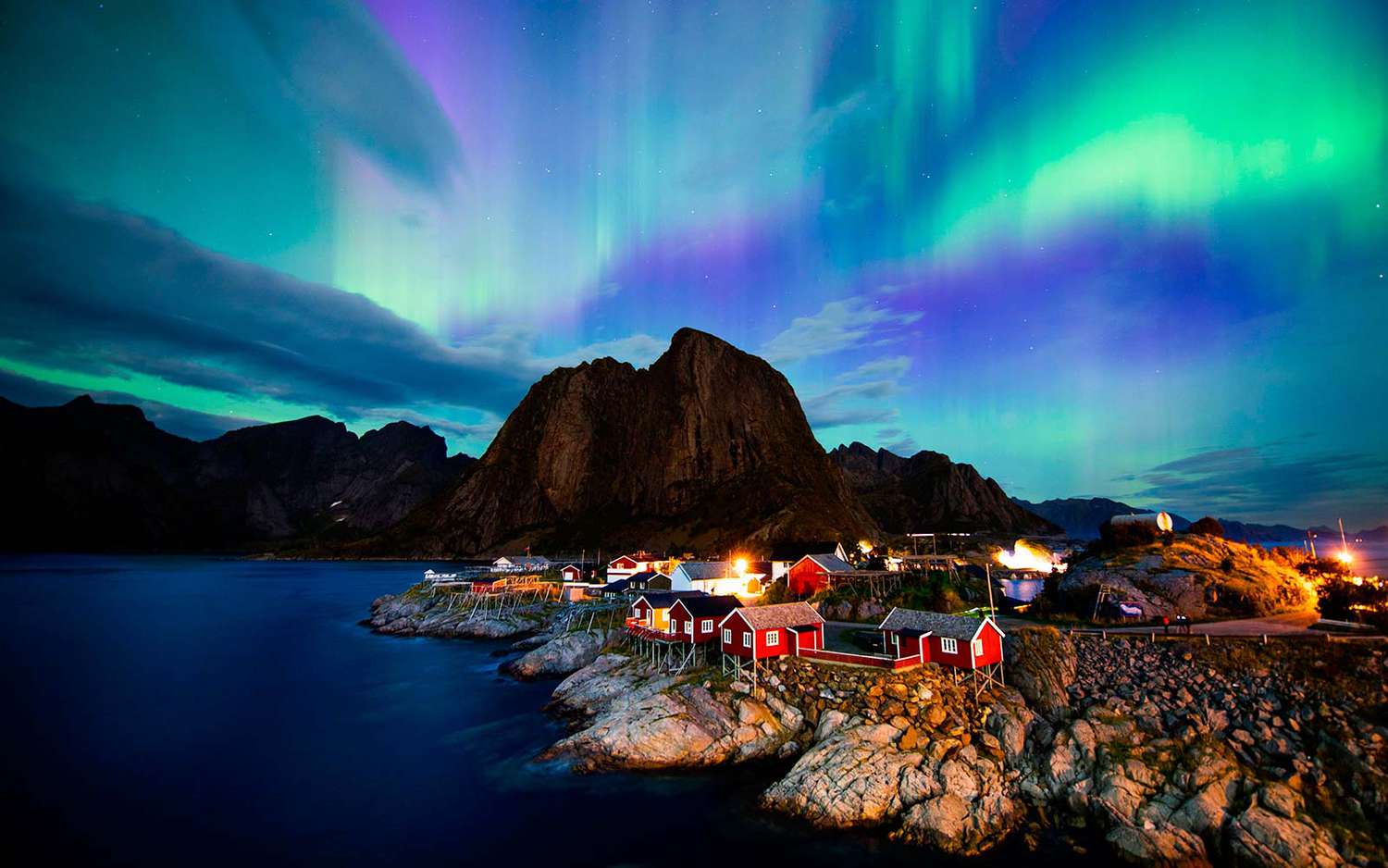
Watching the Northern Lights dance across the Arctic sky is one of the world’s most unforgettable travel experiences. Norway consistently ranks among the top destinations for witnessing this breathtaking natural phenomenon thanks to its northern location, dark winter skies, and excellent viewing conditions.
If you’re planning an aurora adventure, understanding the ideal season, weather, daylight hours, and the best destinations can make the difference between catching a spectacular display and going home disappointed.
This guide covers everything you need to know so you can plan your trip with confidence.
Why Norway Is One of the World’s Best Aurora Destinations
Norway sits beneath the Auroral Oval, a region surrounding the Earth’s magnetic poles where auroral activity occurs most frequently. Northern cities such as Tromsø, Alta, and the Lofoten Islands enjoy excellent visibility throughout the winter months.
Unlike many other Arctic destinations, Norway combines dramatic scenery, reliable infrastructure, comfortable accommodations, and guided tours, making it suitable for both first-time visitors and experienced travelers.
Best Time to See Northern Lights in Norway
The prime viewing season runs from late September through late March, when nights are long and skies are dark enough for aurora activity.
Here’s a quick comparison of each period.
| Season | Aurora Visibility | Daylight | Weather | Ideal For |
|---|---|---|---|---|
| Late September–October | Very Good | Moderate | Mild | Autumn landscapes and fewer crowds |
| November | Excellent | Short | Cooler | Early winter travelers |
| December–January | Excellent | Polar Night | Cold | Maximum darkness and festive atmosphere |
| February–March | Outstanding | Longer days | Stable weather | Best balance of daylight and aurora viewing |
Although solar activity occurs year-round, you simply cannot see the lights during Norway’s bright summer because the sky never becomes dark enough.
Which Month Offers the Best Balance?
Many experienced travelers consider February and March the sweet spot.
During these months:
- Snow-covered landscapes create stunning scenery.
- Temperatures become slightly more comfortable.
- Roads are easier to travel.
- Weather tends to be more stable.
- Days are longer, allowing more sightseeing before nighttime aurora hunts.
This combination creates one of the most rewarding travel experiences in Arctic Norway.
Best Places to Watch the Northern Lights
Different regions offer different experiences.
Tromsø
Often called the “Gateway to the Arctic,” Tromsø is perhaps Norway’s most famous destination for aurora viewing. It offers numerous guided tours, comfortable hotels, and excellent transportation.
Alta
Alta enjoys a dry inland climate, increasing the likelihood of clear skies. It has earned a reputation as one of Europe’s premier locations for observing the aurora.
Lofoten Islands
The Lofoten Islands combine dramatic mountains, picturesque fishing villages, and beautiful coastlines with incredible opportunities to witness colorful displays overhead.
Senja
Senja attracts fewer tourists while offering equally impressive scenery, making it perfect for photographers seeking peaceful locations.
North Cape
One of Europe’s northernmost destinations, North Cape provides spectacular Arctic landscapes during peak winter.
What Time of Night Are the Lights Most Active?
Although the aurora can appear anytime after sunset, activity often peaks between:
- 9:00 PM and 2:00 AM
That doesn’t mean displays won’t happen earlier or later. On highly active nights, they may begin shortly after darkness falls.
Patience is essential because conditions can change quickly.
Weather Matters More Than Solar Forecasts
Many travelers focus only on aurora forecasts, but cloud cover is often the deciding factor.
For the clearest viewing conditions:
- Check local cloud forecasts.
- Travel away from city lights.
- Stay flexible with your schedule.
- Consider guided tours that chase clear skies.
Professional guides regularly drive several hours if necessary to find better weather.
How Long Should You Stay?
One night rarely guarantees success.
Most travel experts recommend staying at least four to five nights in Northern Norway.
This provides multiple opportunities in case weather conditions aren’t ideal on your first evening.
Longer stays naturally improve your chances of experiencing an unforgettable display.
Tips for Seeing the Aurora Successfully
A little preparation goes a long way.
Consider these practical tips:
- Dress in multiple warm layers.
- Wear insulated boots and gloves.
- Bring a tripod for photography.
- Monitor weather forecasts daily.
- Avoid areas with excessive light pollution.
- Keep your camera batteries warm.
- Be patient, as displays can strengthen suddenly.
Even a quiet evening can quickly transform into a spectacular light show.
Planning Your Budget
Costs vary depending on your travel style.
Independent travelers often spend less by renting a car and driving to viewing locations themselves.
Meanwhile, guided excursions include transportation, experienced local guides, weather monitoring, photography assistance, and sometimes warm meals, offering excellent value for first-time visitors.
Choosing between these options depends on your confidence, budget, and desire for convenience.
A Real-World Travel Example
Imagine arriving in Tromsø in early February. Your first evening brings thick cloud cover, and the forecast looks disappointing. Rather than canceling the experience, your guide drives two hours inland where the sky clears completely. Within minutes, soft green ribbons appear overhead before erupting into vibrant waves dancing across the stars.
Experiences like this demonstrate why flexibility and local expertise often make all the difference.
A Personal Observation
During one winter trip, I realized that waiting patiently in the cold became worthwhile the moment the first green arc stretched across the night sky—it remains one of the most memorable natural spectacles I’ve ever witnessed.
Can You See the Lights Without a Tour?
Absolutely.
Many visitors successfully view the aurora independently.
However, guided tours increase your odds because local experts understand weather patterns, road conditions, and lesser-known viewing spots.
If you’re renting a vehicle, always monitor weather updates and avoid unnecessary travel during severe Arctic conditions.
Photography Tips for Beginners
Capturing the Northern Lights doesn’t require expensive equipment.
Most modern mirrorless and DSLR cameras perform well with:
- Wide-angle lens
- Tripod
- Manual focus
- Long exposure
- High ISO settings
Even many recent smartphones now include dedicated night modes capable of producing surprisingly impressive aurora photographs.
Also Read: Remote Developer Teams vs In-House: Real Cost Breakdown for 2026
Final Thoughts
The best time to see northern lights in Norway is generally between late September and late March, with February and March offering one of the best combinations of stable weather, beautiful snowy landscapes, and excellent viewing opportunities.
Choosing the right destination, allowing several nights for your trip, monitoring weather conditions, and remaining flexible will dramatically improve your chances of witnessing this extraordinary natural phenomenon. Whether you explore Tromsø, Alta, Senja, or the Lofoten Islands, Norway delivers an unforgettable Arctic adventure that few travel experiences can rival.
FAQs
Can you see the Northern Lights every night in Norway?
No. Visibility depends on solar activity, cloud cover, darkness, and local weather conditions.
Is December a good month to visit?
Yes. December offers long, dark nights that are excellent for aurora viewing, although weather can sometimes be unpredictable.
Which city has the highest chance of seeing the aurora?
Tromsø is among the most popular destinations due to its location, accessibility, and abundance of guided tours.
How many days should I stay?
A stay of four to five nights gives you a much better chance of experiencing clear skies and strong aurora activity.
Is Norway better than Iceland for seeing the Northern Lights?
Both are excellent destinations. Norway generally offers more viewing locations, established tourism infrastructure, and greater flexibility for chasing clear skies.