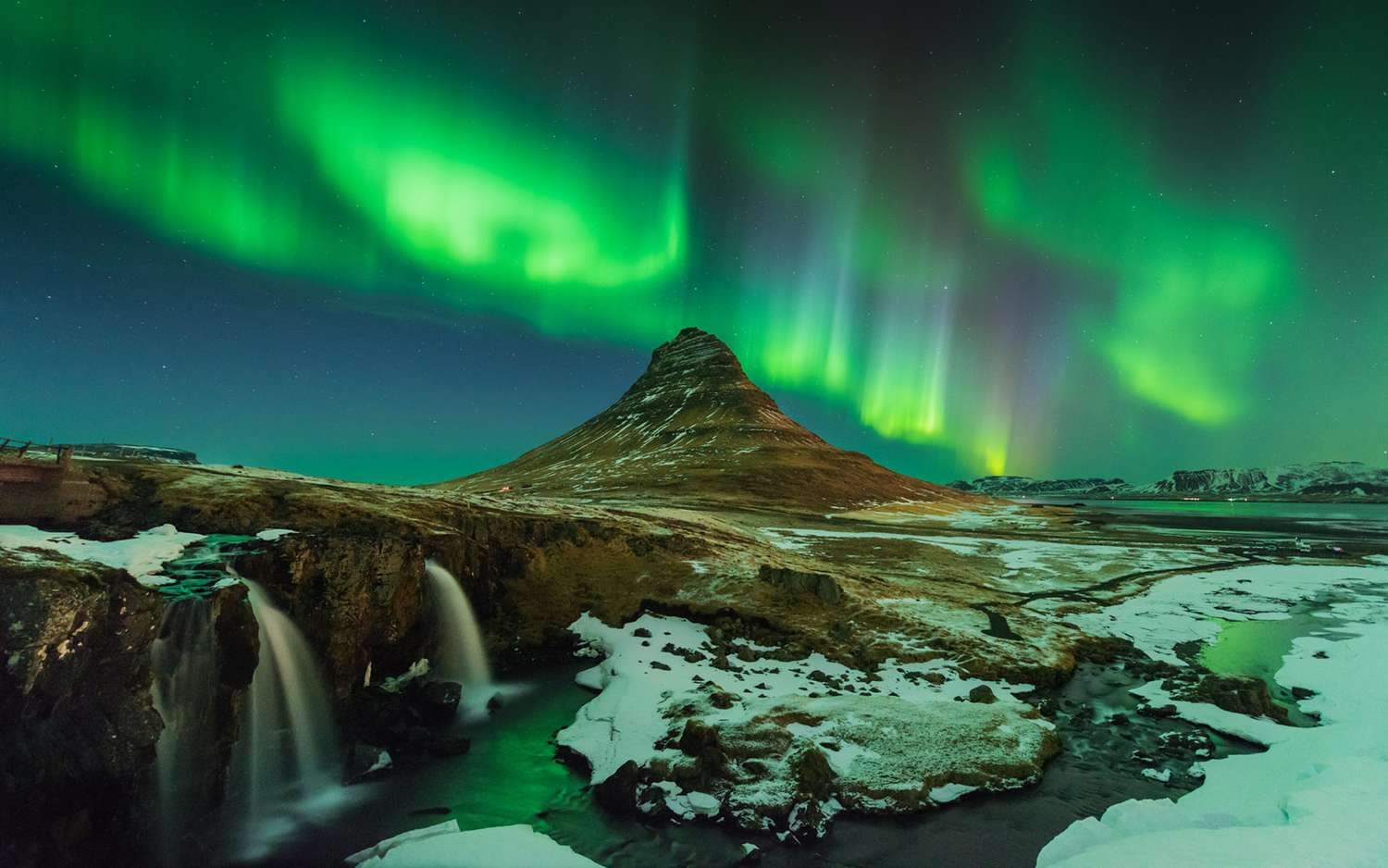
Seeing the Northern Lights in Iceland is one of those unforgettable travel experiences that stays with you long after the trip ends. Dancing ribbons of green, purple, and pink light stretching across the Arctic sky create a spectacle unlike anything else in nature. But timing plays a crucial role. Visit too early or too late in the year, and you may miss the conditions needed for an aurora display.
So, what is the best month to see northern lights in Iceland?
While the aurora season extends from late August through early April, many experienced travelers agree that September, October, February, and March offer the strongest combination of darkness, stable weather, and excellent viewing opportunities. Each month has its own advantages, making the right choice depend on your travel preferences.
Why Timing Matters for Aurora Viewing
The Northern Lights occur when charged particles from the sun collide with Earth’s atmosphere. Even during periods of strong solar activity, you won’t see the lights unless several conditions come together:
- Dark skies
- Minimal cloud cover
- Low light pollution
- High aurora activity
- Patience and a little luck
Unlike many tourist attractions, the aurora cannot be scheduled. Choosing the right month simply improves your chances.
Iceland’s Northern Lights Season
The aurora season generally runs from late August until early April because these months provide enough darkness after sunset.
During Iceland’s summer, the famous Midnight Sun keeps the sky bright almost all night, making aurora viewing impossible despite ongoing solar activity.
Comparing the Best Months
| Month | Darkness | Weather | Crowd Level | Aurora Viewing Chance |
|---|---|---|---|---|
| September | Excellent | Mild | Moderate | Very Good |
| October | Excellent | Good | High | Excellent |
| November | Long Nights | Variable | Moderate | Very Good |
| December | Longest Nights | Stormier | High | Good |
| January | Very Long Nights | Cold | Moderate | Very Good |
| February | Excellent | More Stable | Moderate | Excellent |
| March | Excellent | Stable | Moderate | Excellent |
Rather than focusing only on the darkest nights, many travelers prioritize months with clearer skies since clouds are often the biggest obstacle.
September: A Fantastic Start to Aurora Season
September offers one of the best balances for travelers.
The nights become dark enough for aurora viewing while temperatures remain relatively comfortable. Roads are generally easier to navigate compared to winter, making self-driving tours more enjoyable.
Many photographers also appreciate September because colorful autumn landscapes add extra beauty to Northern Lights images.
October: The Favorite for Many Visitors
October is often considered one of the strongest months for seeing the aurora.
The nights grow longer, increasing viewing hours, while snowfall usually hasn’t reached its winter peak.
You’ll also find numerous guided Northern Lights tours operating every evening.
If you’re hoping to combine waterfalls, glaciers, black sand beaches, and aurora chasing in one trip, October is an excellent choice.
November and December: Long Nights with Winter Charm
As winter arrives, Iceland transforms into a snowy wonderland.
The long darkness creates more opportunities to spot the lights. However, weather becomes less predictable. Strong winds and heavy cloud cover can occasionally reduce visibility.
Still, December offers a magical atmosphere with festive decorations, frozen landscapes, and fewer daylight hours dedicated to sightseeing.
January: Peak Winter Adventure
January provides some of the longest nights of the year.
Although temperatures are colder, Iceland’s climate remains milder than many travelers expect because of the North Atlantic Current.
If you’re comfortable with winter conditions, January offers excellent opportunities for aurora photography alongside dramatic snow-covered scenery.
February: One of the Sweet Spots
Many experienced guides recommend February.
The days begin getting slightly longer, but nights remain dark enough for spectacular displays. Weather often becomes somewhat more stable than midwinter, improving the chances of clear skies.
Outdoor activities like glacier hikes, ice cave tours, and snowmobiling pair perfectly with evening aurora hunts.
March: An Outstanding Choice
March is frequently overlooked, yet it consistently ranks among the best months.
Snow still covers much of Iceland, but temperatures become a little more manageable.
The combination of:
- Longer daylight for sightseeing
- Dark evenings
- Improving weather
- Good road conditions
makes March particularly attractive for first-time visitors.
Where to Watch the Northern Lights
Leaving city lights behind dramatically increases your chances of witnessing vivid aurora displays.
Some excellent viewing locations include:
- Thingvellir National Park
- Vik
- Snæfellsnes Peninsula
- Jökulsárlón Glacier Lagoon
- Kirkjufell Mountain
- Remote areas of North Iceland
These locations offer wide-open skies with very little artificial lighting.
Weather Can Matter More Than the Month
Many travelers focus only on choosing the right month, but cloud cover often determines success.
A strong aurora hidden behind thick clouds won’t be visible.
Checking daily weather forecasts and aurora predictions greatly improves your odds. Staying flexible with your travel schedule can make a noticeable difference.
Photography Tips for Better Results
Capturing the Northern Lights doesn’t require expensive equipment, but preparation helps.
Useful tips include:
- Use a sturdy tripod.
- Switch to manual camera mode.
- Keep ISO between 800 and 3200.
- Use a wide-angle lens.
- Focus manually on distant lights.
- Dress warmly so you can wait comfortably outdoors.
Even smartphone cameras now include night modes capable of producing impressive aurora images.
A Practical Travel Example
Imagine arriving in Iceland during the second week of February for a five-night trip. The first two evenings are cloudy, but instead of feeling disappointed, you remain flexible. On the third night, the skies clear unexpectedly, and a guided tour heads away from Reykjavík into darker countryside. Within an hour, shimmering green curtains begin sweeping across the sky, turning what seemed like an uncertain trip into an unforgettable memory. This is why allowing multiple nights for aurora hunting is often more important than relying on a single forecast.
My Experience
I still remember the excitement of standing beneath a clear Arctic sky as faint green ribbons slowly transformed into brilliant waves of light—it reminded me that patience often leads to the most rewarding travel moments.
Extra Tips to Increase Your Chances
For the best experience:
- Plan at least 4–7 nights in Iceland.
- Avoid full moon periods if possible.
- Stay outside Reykjavík whenever practical.
- Monitor cloud forecasts daily.
- Join guided tours if driving conditions are difficult.
- Wear multiple warm clothing layers.
- Be patient—the lights can appear suddenly.
Also Read: Best Time to See Northern Lights in Norway Guide
Final Thoughts
Choosing the best month to see northern lights in Iceland depends on what kind of trip you want. If you prefer mild weather and colorful landscapes, September and October are excellent choices. If winter adventures appeal to you, February and March provide an outstanding balance of darkness, weather, and travel conditions.
Ultimately, no month can guarantee an aurora, but planning a multi-night visit during the peak season, escaping light pollution, and staying flexible with changing weather will greatly improve your chances. With a little patience, Iceland may reward you with one of nature’s most breathtaking performances.
FAQs
What is the absolute best month to see the Northern Lights in Iceland?
Many travelers and local guides consider February and March the top months because they combine dark nights with relatively stable weather and excellent viewing opportunities.
Can you see the Northern Lights every night?
No. Visibility depends on solar activity, cloud cover, and darkness. Even during peak season, sightings are never guaranteed.
Is September a good time to visit Iceland for the aurora?
Yes. September marks the beginning of the viewing season and offers comfortable temperatures, scenic autumn landscapes, and a strong chance of seeing the lights.
How many nights should I stay?
A stay of four to seven nights significantly improves your chances of experiencing clear skies and favorable aurora conditions.
Can you see the aurora from Reykjavík?
Yes, but city lights reduce visibility. Traveling a short distance outside the capital usually results in a much better viewing experience.
Do I need a guided tour?
Not necessarily. If you’re comfortable driving in Icelandic conditions, you can explore independently. However, guided tours often track weather and cloud conditions, helping maximize your chances of a successful sighting.