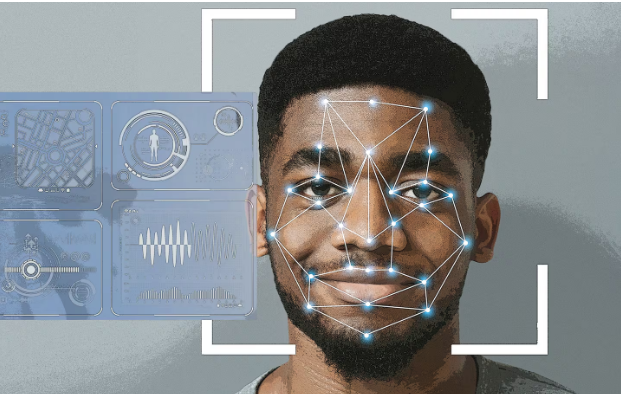
The use of facial recognition technology is expanding fast. From airports to smartphones, it’s becoming a part of daily life. But while the innovation feels exciting, it also raises deep questions about trust, privacy, and fairness. For founders, deploying a recognition system isn’t just about building a product — it’s about earning the right to use one of the most sensitive forms of human data.
If your goal is long-term credibility, you can’t treat ethics as decoration. It’s part of your foundation.
Why Ethics Defines the Future of Facial Recognition
In recent years, several companies have faced criticism for misusing facial recognition technology — some even had to shut down projects after public backlash. The message is clear: accuracy alone isn’t enough. People expect respect, transparency, and control over their own identities.
An ethical deployment doesn’t slow innovation; it strengthens it. When users believe their data is handled with care, adoption grows naturally. Investors also look more favorably on products that anticipate regulation rather than chase it later.
Building Trust from the Ground Up
Every ethical facial recognition system begins with a purpose. Before writing a single line of code, founders must define the “why.” Are you preventing fraud, improving access, or enhancing safety? If you can’t explain your purpose clearly to the public, you probably aren’t ready to deploy.
Once your purpose is set, transparency becomes your next tool of trust. Tell users how the system works, where their data goes, and how long it’s stored. When people understand, they fear less. Silence, on the other hand, always invites suspicion.
Ethics also means boundaries. A well-designed facial recognition technology should only collect what’s necessary, nothing more. Store encrypted templates, not raw images. Build with deletion policies and strong access control. Each small technical choice adds up to a larger story of respect.
Avoiding Bias and Preserving Fairness
Bias remains one of the hardest problems in AI. A system trained mostly on lighter skin tones or certain age groups will produce uneven results. The fix is not cosmetic — it’s structural. Teams must train on diverse datasets, continuously test performance across different demographics, and retrain when an imbalance appears.
It’s not enough to claim fairness; you must measure it, publish it, and improve it. True fairness isn’t perfection — it’s progress backed by evidence.
Compliance as a Competitive Advantage
Many founders see regulation as a burden. In reality, compliance can be your strongest selling point. Global standards for facial recognition technology are evolving fast, and those who meet them early build trust faster.
Start by adopting privacy-by-design principles. Conduct impact assessments before deployment. Keep logs of user consent. If laws change, update quickly. When your system is built with flexibility, you won’t panic at every new regulation — you’ll adapt smoothly.
Compliance isn’t paperwork; it’s discipline that prevents public embarrassment later.
Learning from Real-World Experience
A few startups have already shown how ethics and technology can work together. Some companies designed facial recognition systems for banking that never store personal photos, only encrypted mathematical patterns. Others offer clear opt-in options instead of silent scanning.
These small design choices make a huge difference. They show users that the system respects boundaries. And over time, that respect becomes a reputation.
Challenges Founders Must Accept
Founders entering this space must balance competing pressures — speed versus accuracy, openness versus privacy, innovation versus caution. There will be moments when slowing down feels painful. But slowing down to think is far cheaper than apologizing after a data breach or bias scandal.
Remember, facial data isn’t just information; it’s identity. Lose that, and you lose trust forever.
Final Thought
Ethical deployment is not a marketing tagline. It’s a daily commitment to honesty, transparency, and accountability. Every facial recognition system reflects the values of the people who built it.
If you build it responsibly — with fairness in design, consent in operation, and respect in every decision — your technology won’t just meet compliance; it will earn global trust. That trust, once built, becomes your greatest competitive edge.