
Introduction
Identity theft is one of the fastest-growing crimes in the digital era, with millions of cases reported each year. Criminals exploit technology, social engineering, and even physical documents to steal personal information—using it to open credit accounts, drain bank balances, or commit tax and medical fraud. The emotional and financial stress that follows can take years to repair.
The good news? You don’t have to be an easy target. By taking proactive steps, you can significantly reduce the risk of identity theft. From freezing your credit and strengthening online security to handling documents safely and staying alert to scams, each action helps protect your identity.
This article outlines 10 effective strategies for preventing identity theft in 2025. These tips are practical, easy to implement, and recommended by security experts and consumer protection professionals. By following them, you can safeguard your financial health and personal peace of mind.
10 Effective Identity Theft Prevention Strategies
Freeze or Lock Your Credit
A credit freeze is one of the most powerful tools against identity theft. It prevents criminals from opening new accounts in your name by blocking access to your credit reports. Freezes are free, easy to activate, and highly effective.
Credit locks are similar but usually managed through mobile apps, making them convenient but sometimes less robust. For long-term protection, a freeze is the safer option. Remember: you can temporarily lift the freeze whenever you need to apply for legitimate credit.
Set Up Fraud Alerts
Fraud alerts instruct lenders to take extra steps to verify your identity before approving credit applications. They are quick to set up and free to use. A basic alert lasts one year and can be renewed. Extended alerts (seven years) are available if you’ve been a victim of identity theft. This added layer of caution helps stop thieves before damage occurs.
Monitor Credit Reports and Bank Statements
Early detection is critical. Review your credit reports regularly to check for accounts you don’t recognize. Monitor your bank and credit card statements weekly to spot unusual transactions. The sooner you identify suspicious activity, the faster you can act to limit financial harm. Setting up account alerts via text or email adds an extra safety net.
Use Strong, Unique Passwords and Two-Factor Authentication
Passwords remain the first line of defense. Weak or reused credentials make you an easy target. Use long, unique passwords with a mix of letters, numbers, and symbols for every account. A password manager can simplify this process.
Whenever possible, enable two-factor authentication (2FA). This requires a second verification step, like a code sent to your phone, making it much harder for hackers to gain access even if they steal your password.
Secure Your Devices and Networks
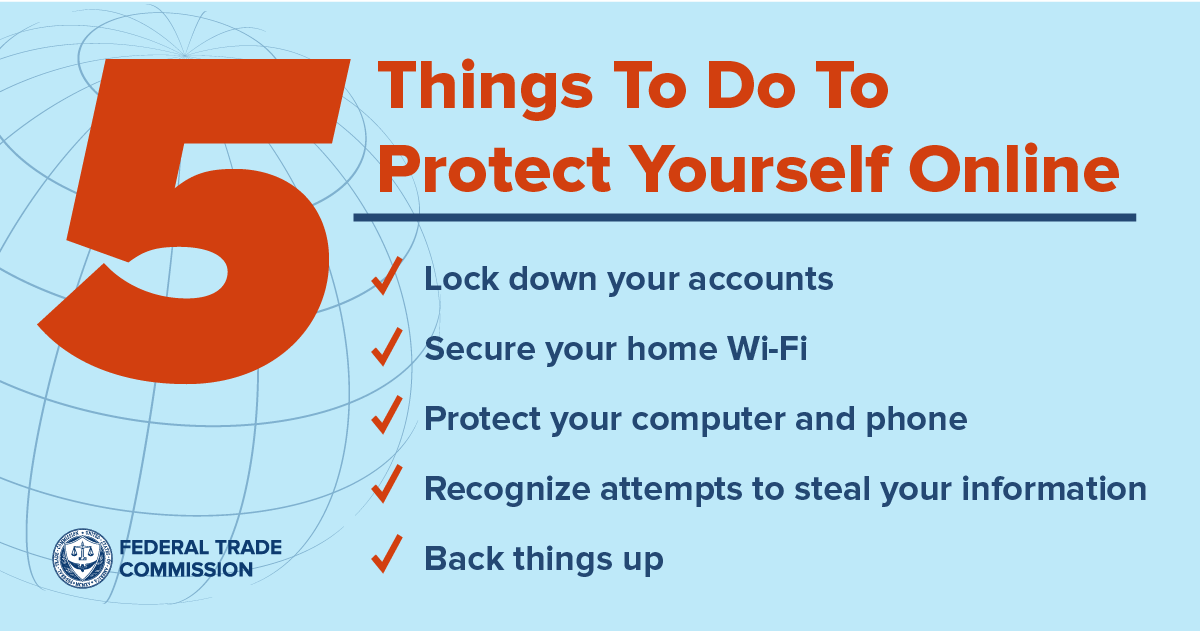
Your personal devices are gateways to sensitive information. Keep all systems updated with the latest security patches, install reliable antivirus software, and enable firewalls. Secure your home Wi-Fi with a strong password and WPA3 encryption.
When using public Wi-Fi, avoid accessing financial accounts. If necessary, connect through a virtual private network (VPN) for safer browsing.
Handle Physical Documents Safely
Identity theft doesn’t only happen online. Thieves can steal information from discarded mail, tax documents, or medical records. Always shred sensitive paperwork before disposal. Collect your mail daily, or use a locked mailbox. Store critical documents, such as passports and Social Security cards, in a safe or secure filing system at home.
Limit Sharing of Personal Information
Be mindful of what information you share and with whom. Before providing personal details like your Social Security number, ask why it’s needed and how it will be protected. Avoid oversharing on forms, surveys, or calls you did not initiate. Every piece of information you give away can become a tool in the wrong hands.
Stay Alert to Scams and Phishing Attacks
Scammers constantly evolve. Phishing emails, fake websites, phone scams, and even deepfake impersonations are now common tactics. Stay skeptical of unexpected requests for personal or financial details. Verify the source before clicking links, downloading files, or sharing information. Education is your best defense—keep up with common scam trends so you can spot them early.
Protect Your Privacy on Social Media
Criminals often mine social platforms for clues such as birthdays, addresses, or even the names of pets (commonly used in security questions). Review and tighten your privacy settings. Limit what you make public and think twice before posting personal milestones. The less personal information available online, the harder it is for thieves to impersonate you.
Take Immediate Action if You Suspect Fraud
Time is critical if your identity is compromised. If you see unusual activity, immediately place a fraud alert or credit freeze, notify your financial institutions, and file a report with identity theft authorities. Keep records of all communications and steps taken. Quick, decisive action minimizes damage and speeds recovery.
Why These Steps Work
- Expertise: Each method reflects proven best practices from cybersecurity and consumer protection experts.
- Experience: Millions of victims have successfully stopped fraud by using these strategies.
- Authoritativeness: These practices are backed by financial institutions, government agencies, and identity theft specialists.
- Trustworthiness: The advice is practical, unbiased, and user-focused, ensuring you can take confident action.
Together, these approaches build a strong, multi-layered defense against both digital and physical identity theft.
Read More: Anna’s Archive: Ultimate Guide to Accessing Free Books and Research
Conclusion
Identity theft is a serious and growing threat, but it is not unstoppable. By acting proactively, you can greatly reduce the risks. Freezing your credit, enabling fraud alerts, strengthening online security, and carefully handling personal information all build a strong defense. Staying educated about scams and protecting your social presence further reduce vulnerabilities.
If identity theft does occur, responding quickly is crucial—freeze accounts, report the incident, and work with your financial institutions to minimize damage. The most important lesson is that prevention is always easier and less stressful than recovery.
In 2025, safeguarding your identity isn’t optional—it’s essential. By following these 10 smart strategies, you put yourself in control. With awareness, vigilance, and proactive measures, you can protect your personal and financial future, giving yourself the peace of mind you deserve.
FAQs
1. How can I prevent identity theft online?
Use strong, unique passwords, enable two-factor authentication, keep software updated, and avoid oversharing personal details.
2. Is a credit freeze better than credit monitoring?
Yes. A credit freeze prevents new accounts from being opened in your name, while monitoring only alerts you after suspicious activity occurs.
3. What should I do if I suspect identity theft?
Place a fraud alert or credit freeze, notify your bank and creditors, file an identity theft report, and keep track of all actions taken.
4. How often should I check my bank and credit accounts?
Check bank statements weekly and review credit reports at least once a year, preferably more often, to catch issues early.
5. Can protecting physical documents really make a difference?
Absolutely. Shredding sensitive papers, securing mail, and storing personal records safely can stop thieves who rely on physical information theft.