
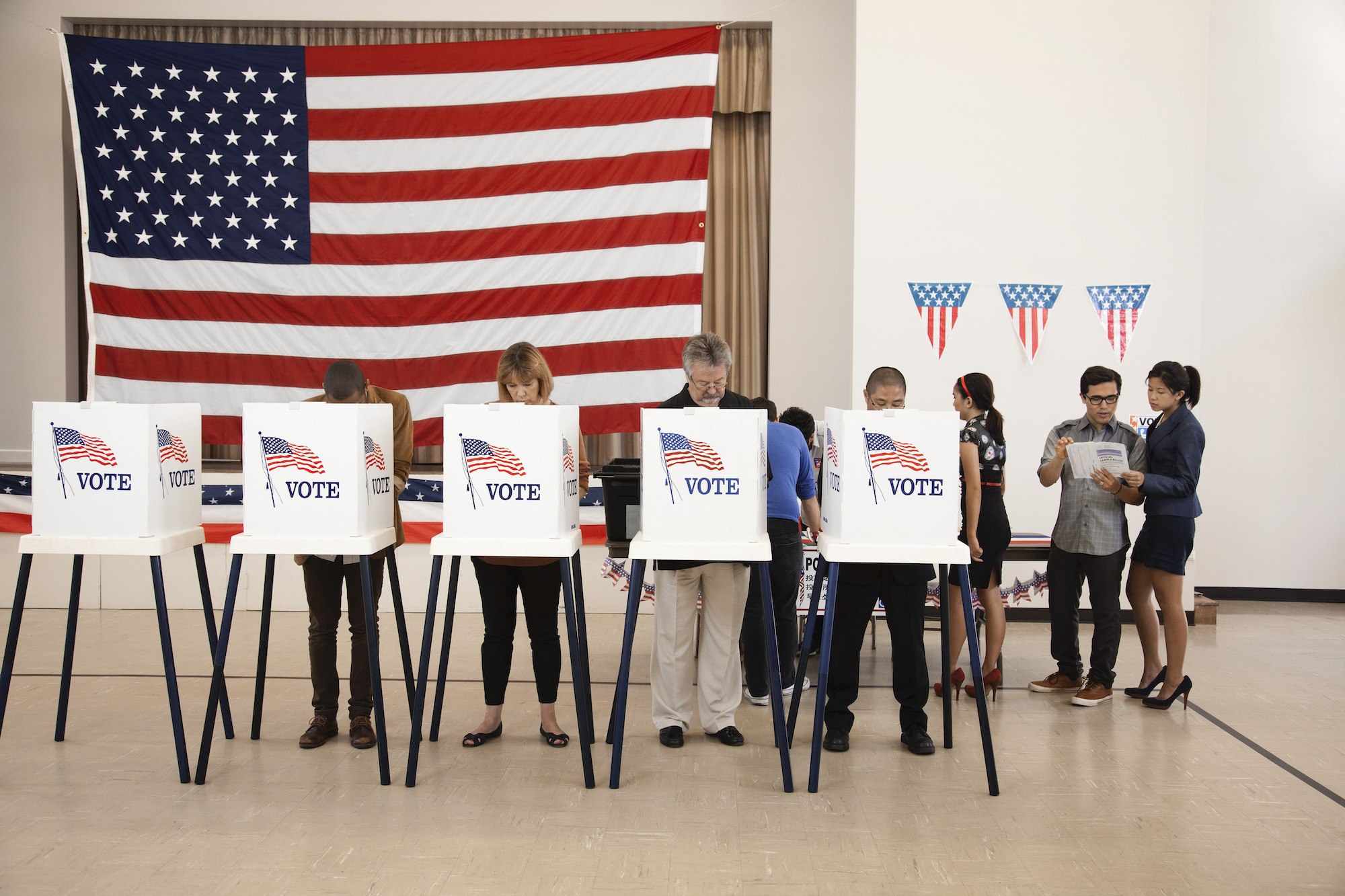
Introduction
Elections are the foundation of democratic societies. They allow citizens to choose leaders, shape public policy, and influence the direction of their communities and nations. For centuries, people have relied on elections as the fairest way to resolve questions of governance and power. Today, they remain a universal mechanism for accountability and legitimacy.
But elections are more than just casting a vote. They involve registration, campaigning, decision-making, and a transparent counting process. They can take many forms, from national presidential elections to small local council votes. Understanding how elections function, why they matter, and what challenges they face is key to ensuring democracy remains strong. This article explores the history, types, processes, and principles of elections—while also answering common questions voters have about their role. By gaining clarity, every citizen can participate more meaningfully and protect the integrity of democracy.
A Brief History of Elections
Elections have existed in some form for thousands of years. In ancient Athens, free citizens cast lots or voted to make collective decisions, though only men with property had rights to participate. The Roman Republic introduced voting assemblies that influenced government decisions.
In the Middle Ages, elections were used within religious institutions, such as the selection of popes and bishops, as well as for monarchs in certain regions. These elections were often limited to small groups of elites rather than broad populations.
Modern representative democracy took shape between the 17th and 19th centuries. Revolutions in England, France, and America emphasized “government by the people,” expanding suffrage gradually from property-owning men to universal adult citizens. Over time, more nations adopted structured electoral systems, with secret ballots, political parties, and regular schedules. Today, elections are nearly universal, though their fairness still varies across countries.
Why Elections Matter
Elections are essential to democracy for several reasons:
- Representation – Citizens select leaders who reflect their interests and values.
- Accountability – Leaders remain answerable to voters, knowing they can be replaced.
- Legitimacy – Governments gain authority when chosen fairly by the people.
- Stability – Peaceful transitions of power prevent conflict and violence.
- Participation – Elections empower citizens to influence public policy directly or indirectly.
Without elections, governments risk becoming authoritarian, ignoring the will of the people. Regular, free, and fair elections ensure citizens remain the core decision-makers in society.
Types of Elections
Elections come in different forms, depending on purpose and level of governance:
- General Elections: Held at fixed intervals to choose national or regional leaders such as presidents, parliaments, or local councils.
- Primary Elections: Used mainly in party systems to select candidates who will compete in general elections. They may be open (any voter participates), closed (only party members), or semi-open.
- By-Elections or Special Elections: Organized when a seat becomes vacant due to resignation, death, or disqualification of an elected official.
- Indirect Elections: Citizens elect representatives, who in turn choose officials such as presidents, senators, or heads of state.
- Referendums and Initiatives: Direct votes where citizens decide on specific issues, laws, or constitutional amendments.
Each type of election serves different democratic functions, but all share a goal: ensuring citizens have a voice in governance.
Key Components of an Election
1. Voter Registration
Voter eligibility is determined through registration systems that verify age, citizenship, and residence. Effective registration prevents fraud while guaranteeing access for all eligible voters.
2. Campaigning and Political Parties
Candidates and parties present their ideas, policies, and promises during campaigns. Free media access and equal opportunities to communicate ensure voters make informed choices.
3. Voting Methods
Voting can occur in several ways:
- In-person at polling stations.
- Early voting before election day.
- Absentee or mail-in ballots.
- In some regions, electronic or online voting.
The method chosen must be secure, accessible, and convenient.
4. Vote Counting
Votes are tallied manually or with machines. Independent observers and audits often verify accuracy. Transparency in this step is critical to public trust.
5. Announcement of Results
Results are certified by election authorities before being officially released. In close races, recounts or legal challenges may occur to ensure fairness.
Principles of Free and Fair Elections
To be credible, elections must follow universal democratic standards:
- Universal Suffrage: Every eligible adult can vote without discrimination.
- Equality: Each vote carries the same weight.
- Secrecy: Ballots are confidential to prevent coercion.
- Transparency: Processes are open to observers and the public.
- Regularity: Elections happen on a predictable schedule.
- Neutral Administration: Election authorities must remain impartial.
When these principles are respected, elections strengthen democracy. When violated, they create distrust and instability.
Case Study: The Electoral College System
Some democracies, like the United States, use indirect systems. In U.S. presidential elections, citizens vote for electors who then select the president. A candidate needs at least 270 of 538 electoral votes to win.
This system has sparked debate because a candidate can win the presidency while losing the popular vote, as seen in 2000 and 2016. Critics argue it gives outsized influence to swing states, while defenders claim it balances power between large and small states.
The case highlights how different electoral systems can shape outcomes and public trust.
Challenges Facing Modern Elections
Despite global progress, elections face significant challenges:
- Voter Suppression – Barriers like strict ID laws, limited polling places, or biased registration practices.
- Misinformation – False information spread online can confuse or mislead voters.
- Technology Risks – Electronic systems may face hacking, glitches, or mistrust.
- Low Turnout – Apathy or obstacles can reduce participation, weakening legitimacy.
- Manipulation – Gerrymandering, vote-buying, or intimidation distort fairness.
Addressing these issues requires strong laws, active civic education, and vigilant citizens.
FAQs
1. What is the process for conducting an election?
An election typically involves voter registration, candidate nomination, campaigning, voting on election day, counting ballots, verifying results, and officially declaring winners.
2. What role do political parties play in elections?
Parties organize primaries, nominate candidates, mobilize voters, and present policy platforms. They act as bridges between citizens and government.
3. How are election results announced?
After counting and verifying ballots, election authorities certify the results. In some cases, recounts or court reviews may delay the announcement.
4. What factors can affect the fairness of elections?
Common issues include voter suppression, lack of transparency, biased administration, misinformation, and unequal access to voting.
5. Why does every vote matter, even in safe districts?
Each vote contributes to turnout levels, sends a message of civic engagement, and can influence close races. In many elections, tiny margins decide outcomes.
Read More: Stop Identity Theft: 10 Smart Ways to Protect Yourself
Conclusion
Elections remain one of humanity’s most powerful tools for ensuring freedom, accountability, and peace. They allow people to express their will, shape leadership, and hold governments responsible. By balancing representation with fairness, they transform individual voices into collective authority.
The process is not without flaws. Barriers like voter suppression, misinformation, or structural imbalances threaten credibility. Yet, when citizens understand their rights and responsibilities, participate actively, and demand transparency, elections remain strong.
At their core, elections are not just about ballots—they are about trust. Trust that every vote counts. Trust that leaders answer to the people. Trust that power transfers peacefully. As global societies face new challenges, one truth remains constant: free and fair elections are essential for democracy to thrive. Every voter’s participation is a safeguard for freedom today and for generations to come.