Start With Exposure, Not a Policy Name
Buying a plow and finding customers can feel like the hard part of starting a snow-removal operation. The quieter risk is building the business around assumptions nobody has checked.
Insurance is one example. A new contractor should not simply ask, “Do I have liability insurance?” The better question is whether the broker understands what the company actually does: snow plowing, sidewalk clearing, ice control, subcontracting, equipment transport, overnight work, and commercial-property service.
A practical version of Snow Removal Expert’s property winter planning starts the same way: understand the site and the work before deciding what protection or process is required.
Before the season begins, document:
- Services you intend to perform
- Types of properties you will accept
- Vehicles and mobile equipment used
- Employees and subcontractors involved
- Whether work continues overnight
- Whether ice control is included
- Typical contract values and service frequency
- Any higher-risk properties or unusual operating conditions
The Insurance Bureau of Canada recommends describing the specific risks a business faces to its insurance representative because coverage needs vary with operations, property, vehicles, equipment, and liability exposure.
Insurance Questions to Ask Before the First Contract
New operators do not need to become insurance experts. They do need to ask better questions.
A useful Snow Removal Expert business-start guide should encourage contractors to sit down with a broker and describe the operation accurately instead of requesting a generic “snow plow policy.”
Questions worth asking include:
- Does my commercial general liability policy cover my actual snow and ice operations?
- How are plow trucks insured while travelling and while performing work?
- What coverage applies to skid steers, spreaders, blades, snow blowers, and portable equipment?
- What changes if I hire employees?
- What changes if I use subcontractors?
- Are there specific exclusions or endorsements I need to understand?
- What certificates or insurance documentation might commercial clients request?
- What are my incident-reporting obligations under the policy?
SIMA identifies commercial general liability, commercial auto, property, inland marine, workers’ compensation, and umbrella coverage among common insurance considerations in the snow-and-ice industry. The exact combination is not universal, which is why broker review matters.
This article is operational guidance, not legal or insurance advice. Contract language and coverage decisions should be reviewed by qualified professionals familiar with the jurisdiction and business.
The Paper Trail Is Part of the Job
Insurance may help manage financial exposure, but daily documentation helps explain what actually happened on a property.
Build a Field-Ready Service Log
Every visit should generate a simple record containing:
- Property and service area
- Date
- Arrival and departure times
- Weather and pavement conditions
- Snow accumulation or dispatch reason
- Areas serviced
- Work completed
- Equipment used
- Material type and quantity where applicable
- Hazards or blocked areas observed
- Photos when useful
- Whether another inspection is required
SIMA recommends concise, specific service records and highlights automatic timestamps, locations serviced, work performed, and material information as useful documentation elements.
That operational discipline also fits the model used by Snow Removal Expert: reliable clearing, modern equipment, safety-focused ice control, scheduled coverage, transparent pricing, and 24/7 response are easier to manage when crews leave a consistent service record behind.
Photograph the Property Before Snow Hides It
Preseason records are just as important.
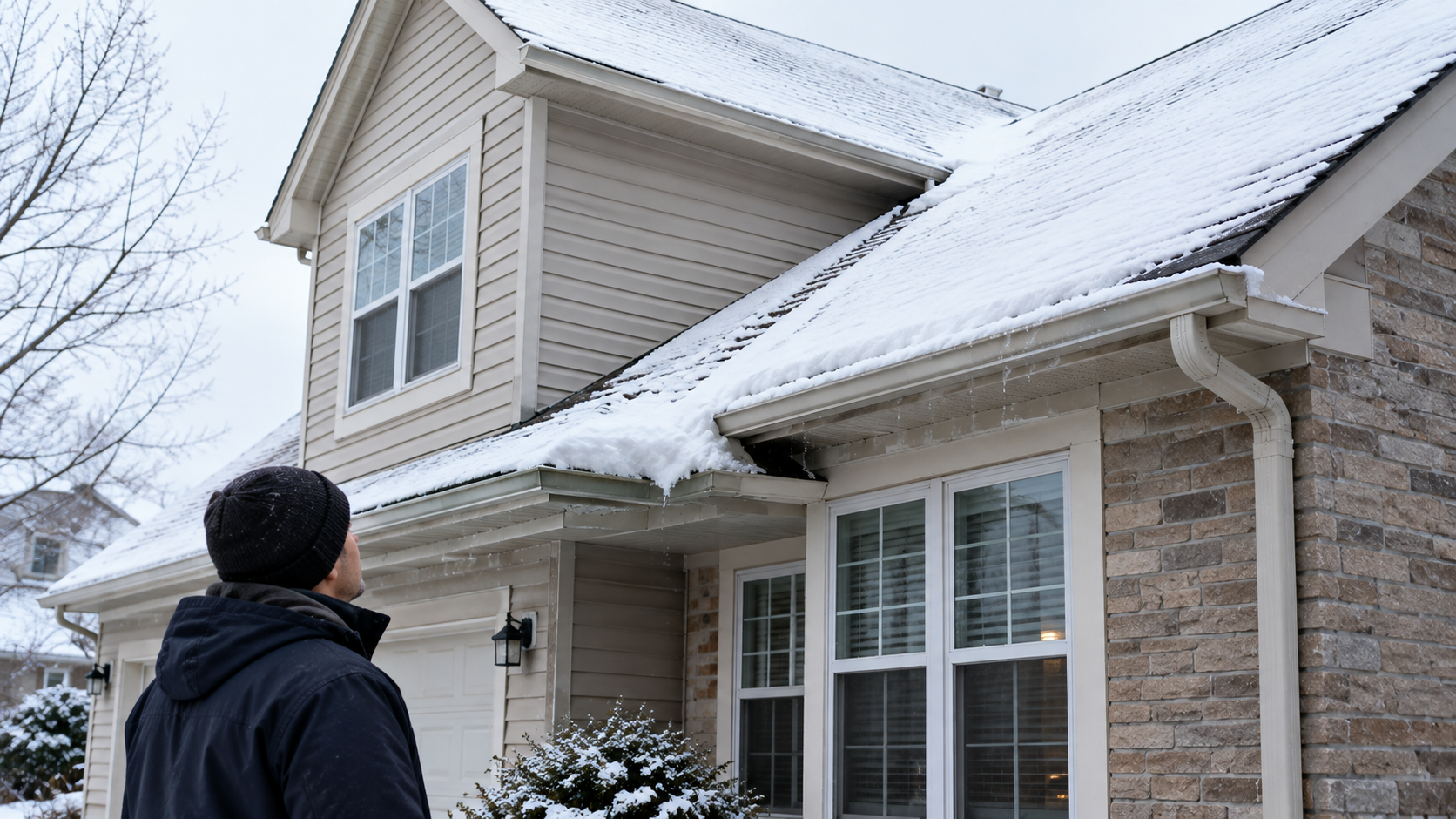
Walk each property before winter and photograph curbs, drains, pavement damage, wheel stops, signs, hydrants, landscaping edges, stairs, loading areas, and other features crews may not see after accumulation begins.
EMC recommends inspecting properties before the first snowfall and documenting obstacles and snow-storage considerations so operators have a reliable reference later.
Scope, Triggers, and Contract Boundaries
One of the easiest ways for a small operation to create risk is to promise more than the contract clearly defines.
The agreement should describe the actual scope in plain terms.
Which parking areas are included? Who handles sidewalks? What accumulation triggers service? Is ice monitoring separate from plowing? Are return visits after refreeze included? Who decides when snow must be hauled away? Are roof areas excluded?
Avoid letting phrases such as “complete snow removal” substitute for an operational definition.
EMC recommends clearly defining depth and weather triggers, timing, areas covered, snow-pile locations, ice-control responsibilities, refreeze follow-up, and exclusions. It also recommends having contracts reviewed by appropriate legal and insurance professionals.
Clear boundaries help the client too. They make quotes easier to compare and reduce surprises when conditions change during a storm.
When the Phone Rings After an Incident, Don’t Improvise
Every contractor should decide how incidents will be handled before one occurs.
Capture Facts, Not Conclusions
If someone reports a fall, property damage, missed service, or another incident, crews should avoid guessing about causes or fault.
Instead, preserve objective information: when the report was received, who reported it, the location, current conditions, relevant service logs, photographs, prior visits, and any additional work performed.
SIMA advises keeping service documentation factual rather than speculative and recommends establishing a repeatable post-incident process before it is needed.
This is an important part of learning how to start a snow removal business professionally: incident management should be a defined operating procedure, not a frantic decision made during a phone call.
Know Who Gets Notified
Your process should identify who internally receives the report and when the broker, insurer, client contact, or professional adviser may need to be contacted.
SIMA’s current risk-management guidance recommends defining notification responsibilities and preserving supporting service logs, incident records, forecasts, and follow-up information.
Build Risk Controls Into Daily Operations
Risk management should not live in a binder that gets opened once per year.
Make it part of the route.
Before every season, inspect properties. Before accepting unfamiliar work, review the scope. During every visit, document conditions and completed service. When circumstances prevent an area from being serviced, record that fact. If conditions may worsen, schedule or recommend a follow-up.
Subcontractors need structure too. Confirm their responsibilities before dispatch and discuss insurance documentation and contractual requirements with your broker and professional advisers rather than assuming your own policies automatically solve every exposure. SIMA specifically highlights subcontractor agreements and proof of coverage as risk-management considerations.
The objective is not to eliminate every possible risk. Snow operations happen during changing weather, poor visibility, difficult pavement conditions, and tight response windows.
The goal is to make the business explainable.
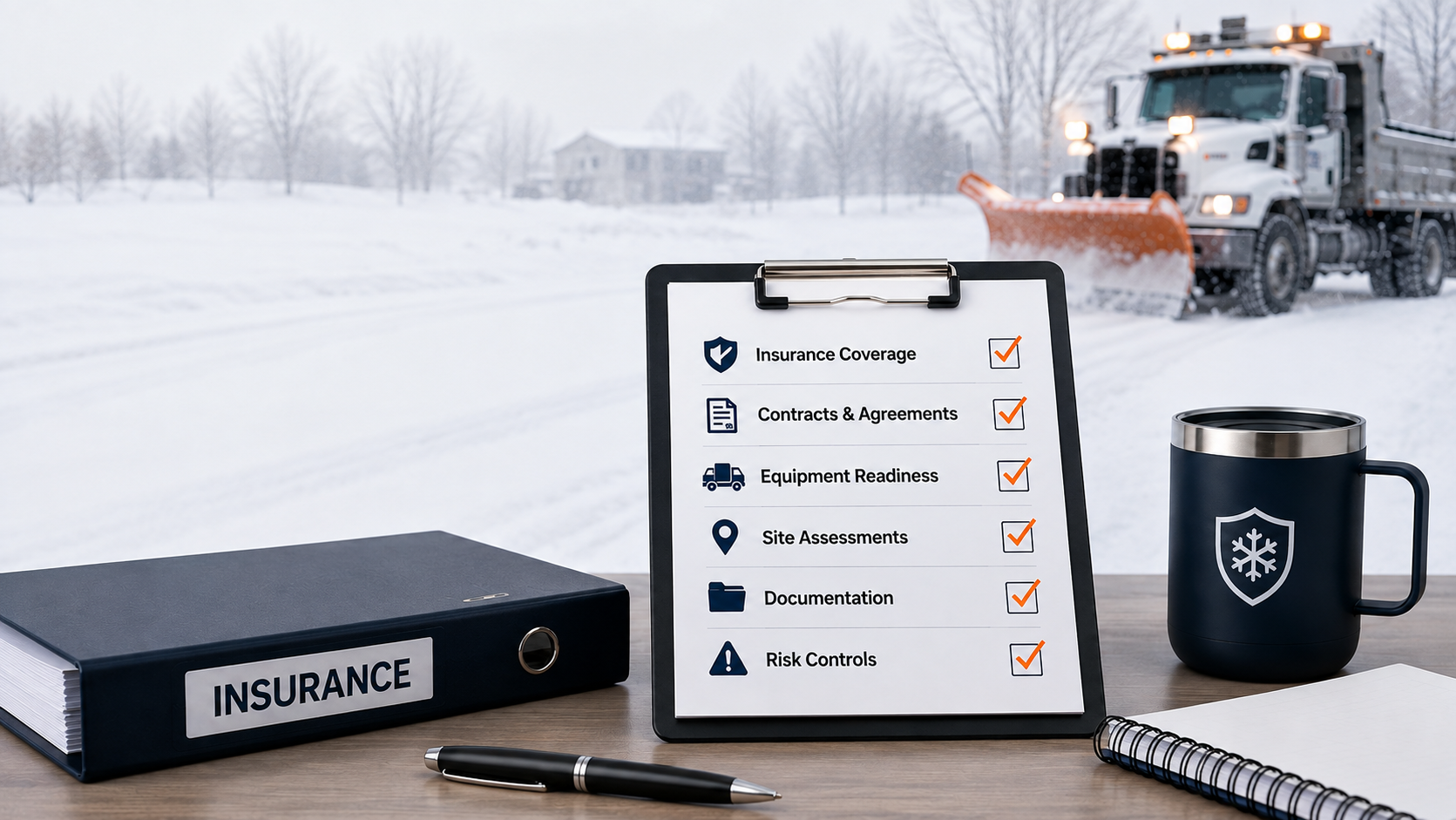
A clear scope explains what you promised. Site photos show what existed before the storm. Service logs record what crews actually did. An incident process determines what happens when something goes wrong. Insurance provides financial protection according to the coverage actually purchased.
For a new operator, those systems matter just as much as the plow attached to the truck.
Build them before the first storm, when there is still time to ask questions instead of searching for answers under pressure.