
Introduction
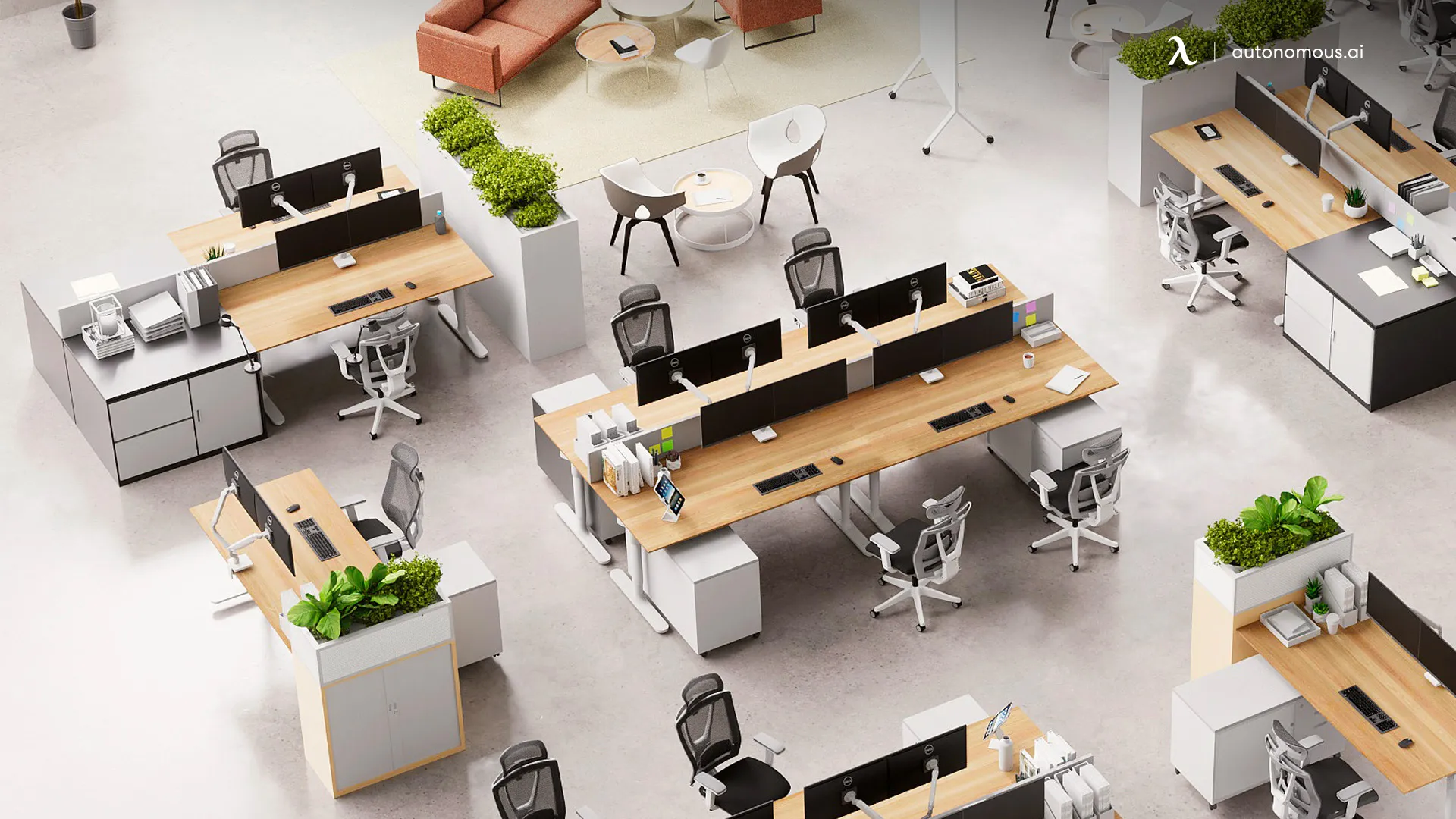
The modern workplace is constantly evolving, and with it, the design of private office cubicles has transformed far beyond the dull, grey walls once associated with corporate life. Today, cubicles aren’t just barriers—they are productivity hubs that balance privacy with connection, comfort with flexibility, and individuality with organizational goals. Companies now recognize that well-designed cubicles can positively influence focus, creativity, and employee satisfaction. With hybrid work models, flexible office layouts, and wellness at the forefront of workplace culture, the demand for smarter, ergonomic, and aesthetically pleasing cubicles is higher than ever.
This article explores everything you need to know about private office cubicles: their purpose, design strategies, ergonomic features, acoustic solutions, and how to personalize them for comfort without clutter. By the end, you’ll be equipped with the insights to create or choose cubicles that truly enhance productivity while making employees feel valued and inspired.
The Purpose and Evolution of Office Cubicles
Office cubicles were first introduced in the 1960s as a way to provide workers with personal space while still allowing employers to make efficient use of floor areas. The original idea was to give employees autonomy, privacy, and flexibility—far removed from the chaotic, noisy open floor plans that dominated earlier offices.
Over time, cubicles became standardized, often criticized for creating monotonous environments. However, today’s cubicles are experiencing a revival. Modern systems combine privacy with openness, sleek design with modularity, and ergonomic comfort with technology integration. Instead of restricting employees, they are designed to empower them.
Cubicles now come in different heights, layouts, and materials, offering varying levels of privacy while allowing natural light and collaboration. They are no longer uniform grey boxes; instead, they can be vibrant, tech-enabled, and even environmentally sustainable. In essence, cubicles have transformed from symbols of corporate conformity into customizable spaces that support productivity and employee well-being.
Planning for Employee Needs
Before selecting or designing cubicles, it’s important to understand the needs of employees and the organization. A cubicle is not just a piece of furniture—it is an environment where people spend hours each day.
The planning process should start with measuring available space and mapping traffic flow. Where will employees walk? How will they access printers, meeting rooms, and break areas? These questions help determine how cubicles fit into the larger office layout.
Next, consider the type of work performed. For teams that require deep focus, higher partitions and sound-absorbing materials are essential. For departments that collaborate frequently, lower panels or semi-open cubicles encourage communication. Hybrid work models also play a role—if not all employees are in the office every day, flexible or shared cubicles might be more cost-effective.
By aligning cubicle design with employee tasks, companies ensure that workspaces are functional, comfortable, and supportive of both focus and teamwork.
Privacy and Acoustics
One of the main reasons companies choose cubicles over open plans is the need for privacy—both visual and acoustic. Employees often struggle to concentrate when they are constantly interrupted by noise or visual distractions.
To address this, cubicles should incorporate sound-absorbing materials such as padded panels, acoustic foam, or fabric finishes. Walls around five to six feet high are often ideal, providing a sense of enclosure while still allowing for airflow and natural light. For added privacy, extenders can be installed on top of existing cubicles.
Sound masking systems, such as low-level background noise or white-noise machines, can further reduce distractions. Even small design tweaks—like positioning cubicles away from noisy common areas—can improve concentration.
Privacy doesn’t just mean silence; it also includes reducing visual interruptions. Higher partitions, frosted glass, or angled layouts can minimize line-of-sight distractions, giving workers the ability to focus without feeling isolated. In short, smart acoustic and privacy solutions are key to making cubicles productive and comfortable.
Ergonomics and Comfort
A cubicle should not only be private but also ergonomically designed to keep employees healthy and comfortable. Poor posture, strained eyes, or awkward seating can quickly lead to fatigue and long-term health problems.
Essential ergonomic features include:
- Adjustable chairs: Lumbar support and customizable height to suit different body types.
- Sit-stand desks: Allowing employees to alternate between sitting and standing.
- Monitor arms: Positioning screens at eye level to reduce neck strain.
- Keyboard trays: Ensuring wrists remain straight while typing.
Comfort also comes from smart use of storage. Integrated shelves and under-desk cabinets reduce clutter, keeping surfaces free for work. Lighting plays a role too; cubicles should offer adjustable task lighting so employees aren’t straining under harsh overhead lights.
Together, these ergonomic and comfort features create a healthier work environment that promotes focus and reduces absenteeism—making cubicles far more than just partitions.
Flexibility and Technology Integration
Modern cubicles are no longer static; they are built with flexibility in mind. Modular systems allow companies to reconfigure spaces as teams grow, shrink, or change in function. Panels can be rearranged, added, or removed, turning solo workstations into collaborative pods when necessary.
Technology is another critical aspect. Employees rely on constant connectivity, so cubicles should include integrated outlets, USB ports, and cable management systems. Wireless charging pads, built-in lighting controls, and even smart climate solutions can make workspaces more efficient and appealing.
In some modern offices, cubicles also include sound-insulated phone booths or small meeting pods, giving employees dedicated spaces for private calls or focused tasks. This flexibility makes it easier to adapt to hybrid and dynamic work styles.
By combining modular design with tech-readiness, cubicles transform into adaptable workstations that evolve with organizational needs while supporting employee productivity.
Aesthetics and Biophilic Design
The look and feel of a cubicle matter just as much as its functionality. A dull, colorless space can dampen motivation, while a thoughtfully designed cubicle can energize and inspire employees.
Modern cubicles often incorporate biophilic design elements—bringing nature indoors. Adding greenery, natural textures like wood, or maximizing daylight can reduce stress and improve mood. Plants not only make cubicles visually appealing but also enhance air quality.
Color psychology plays a role as well. Soft blues and greens can create a calming environment, while pops of brighter colors add energy and creativity. Offices may even integrate brand colors into cubicle panels, reinforcing company identity.
Glass or translucent dividers allow light to flow while maintaining privacy. Minimalist lines, modern finishes, and customized details—like fabric textures or bold accent panels—create spaces that feel personal rather than sterile.
Ultimately, aesthetics are not about luxury but about creating an environment where employees feel motivated, comfortable, and proud of their workspace.
Balancing Privacy with Human Connection
While cubicles are designed to provide privacy, they should not isolate employees completely. Too much separation can reduce collaboration and leave individuals feeling disconnected from their teams.
The solution lies in balance. Mid-height partitions provide visual privacy while still allowing casual conversations. Shared breakout areas or open collaboration zones complement private cubicles, giving employees both focus and community. Transparent or translucent dividers can also maintain openness without sacrificing quiet.
A successful cubicle design acknowledges human connection as essential to workplace well-being. Privacy fosters concentration, but community fosters engagement—and the best offices offer both in equal measure.
Read More: Elegant & Durable: Wrought Iron Trellis for Climbing Plants
Conclusion
Private office cubicles have come a long way from their early days as uniform partitions. Today, they represent the balance between focus and flexibility, comfort and productivity, individuality and teamwork. By incorporating ergonomic design, acoustic solutions, modern technology, and biophilic elements, businesses can transform cubicles into inspiring work environments rather than uninspiring boxes.
The key is intentional design: cubicles should be tailored to the type of work employees do, while also offering the adaptability to meet future needs. When privacy is combined with opportunities for collaboration, and comfort is paired with thoughtful aesthetics, cubicles become powerful tools for boosting both employee satisfaction and organizational performance.
In a world where the workplace continues to evolve, private office cubicles remain a vital solution—proving that personal space and human connection can exist together in harmony.
FAQs
1. How tall should cubicle walls be for privacy?
Walls between 5 and 6 feet offer a good balance of privacy while allowing light and airflow.
2. What materials reduce noise in cubicles?
Fabric panels, acoustic foam, and sound-dampening partitions are effective for minimizing distractions.
3. Are cubicles still relevant in modern offices?
Yes, modern cubicles are flexible, ergonomic, and tech-friendly, making them ideal for hybrid work environments.
4. How can I personalize my cubicle without cluttering it?
Use small plants, vertical storage, personal photos, and minimal décor to add character without overcrowding.
5. What is “quiet computing” in office cubicles?
It refers to combining acoustic solutions, sound-masking, and workplace norms to minimize distractions and support focused work.