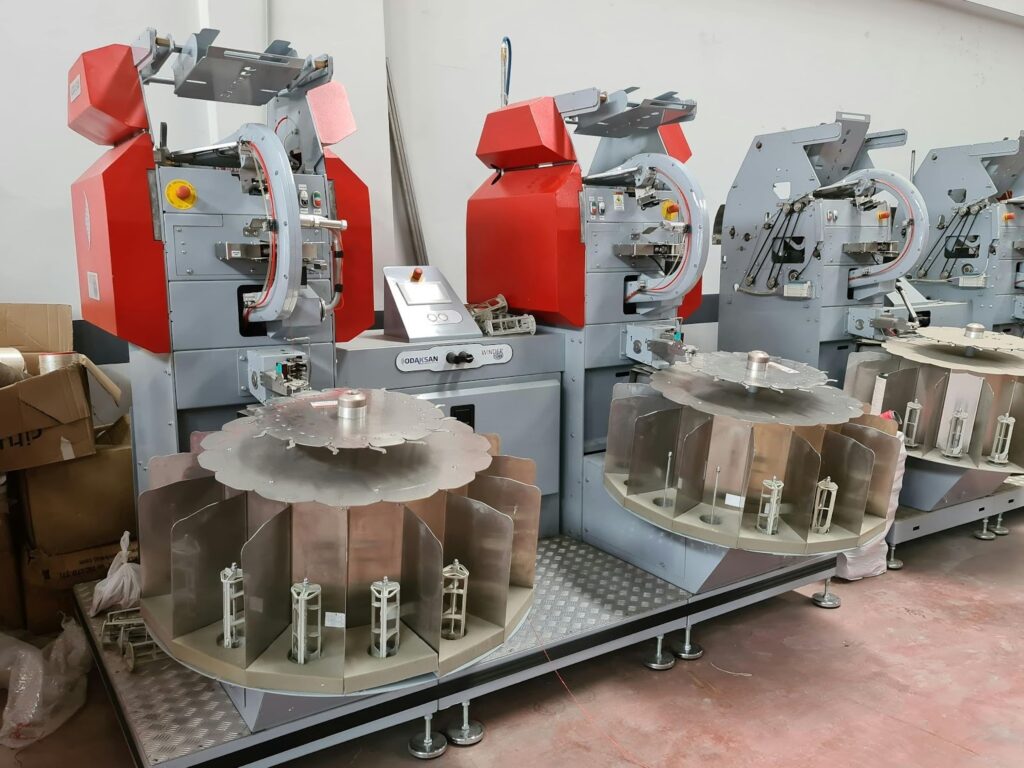
In modern industry, efficiency, reliability, and safety are no longer optional goals but long-term necessities. Every machine, from a small electric motor to massive industrial turbines, operates through motion, and that motion always produces vibration. Over time, those movements tell a story about the health of equipment, the quality of installation, and the risks hiding beneath the surface. Companies that learn how to listen to those signals gain a strategic advantage that goes far beyond short-term fixes. Instead of reacting to breakdowns, they begin to prevent them, creating smoother workflows and reducing operational stress. This proactive mindset is what turns maintenance from a cost center into a performance driver. By embedding intelligent monitoring practices into daily operations, organizations improve productivity, protect assets, and build resilience into their systems. The long-term value does not come only from fewer failures, but from better planning, smarter investments, and safer environments that evolve with the business.
Equipment Longevity and Asset Protection
One of the most powerful long-term benefits of vibration analysis is its ability to extend the lifespan of machinery. Every rotating part experiences wear, but uncontrolled wear accelerates damage and leads to premature replacements. By continuously monitoring mechanical behavior,organizations can detect imbalances, misalignment, looseness, and bearing defects long before they become catastrophic. This early awareness allows maintenance teams to intervene at the right moment instead of after failure occurs. Over time, this approach dramatically reduces stress on components and keeps machines operating closer to their design limits.
Protecting assets is not only about avoiding breakdowns, but also about preserving investment value. Industrial equipment is expensive, and replacing it too often drains capital that could be used for innovation or expansion. When companies manage vibration patterns properly, machines run more smoothly, consume less energy, and experience fewer emergency shutdowns.
Cost Efficiency and Smarter Maintenance Strategies
Traditional maintenance models rely heavily on scheduled servicing or reactive repairs. Both approaches carry hidden long-term costs. Scheduled maintenance may replace parts that are still functional, while reactive maintenance often leads to rushed repairs, overtime labor, and collateral damage. A vibration-based strategy changes this by shifting organizations toward condition-based maintenance. Instead of guessing when something might fail, teams rely on real operational behavior to guide decisions.
Over the years of implementation, this approach has created substantial financial benefits. Fewer unplanned shutdowns mean less lost production time and fewer emergency logistics costs. Spare parts inventory becomes easier to manage because replacements are ordered based on real need rather than fear of failure. Labor is used more efficiently, focusing on targeted repairs instead of constant inspections. Energy consumption also improves, since well-balanced machines draw less power.
Safety, Compliance, and Risk Reduction
Mechanical failures are not just expensive; they can be dangerous. Unexpected breakdowns may lead to fires, flying debris, chemical leaks, or worker injuries. Long-term monitoring of vibration patterns plays a major role in creating safer work environments. By detecting structural weaknesses and abnormal behavior early, organizations reduce the likelihood of hazardous incidents. Employees benefit from fewer emergencies, and management benefits from lower liability exposure.
Beyond physical safety, there is also regulatory compliance to consider. Many industries operate under strict safety and quality standards. Consistent monitoring supports documentation, reporting, and auditing processes that prove machines are operating within acceptable parameters. Over time, this builds organizational credibility with regulators, insurers, and partners. Risk reduction is not a one-time achievement but a continuous process.
Data-Driven Growth
The final long-term advantage lies in the strategic use of data. Machines generate valuable information about performance trends, usage patterns, and environmental impact. When organizations analyze this information consistently, they gain insight into how production systems truly behave over months and years. This enables smarter decisions about upgrades, capacity planning, automation, and sustainability improvements. Instead of relying on assumptions, leaders rely on evidence gathered from real operations.
Over time, this data-driven mindset transforms maintenance into a core business strategy rather than a background task. Productivity improves, planning becomes more accurate, and innovation becomes easier to justify. Companies that embrace this approach are better equipped to scale, adapt, and compete in changing markets. In the end, the long-term benefits are not only technical or financial, but organizational: stronger systems, safer people, smarter investments, and a future built on reliability rather than uncertainty.