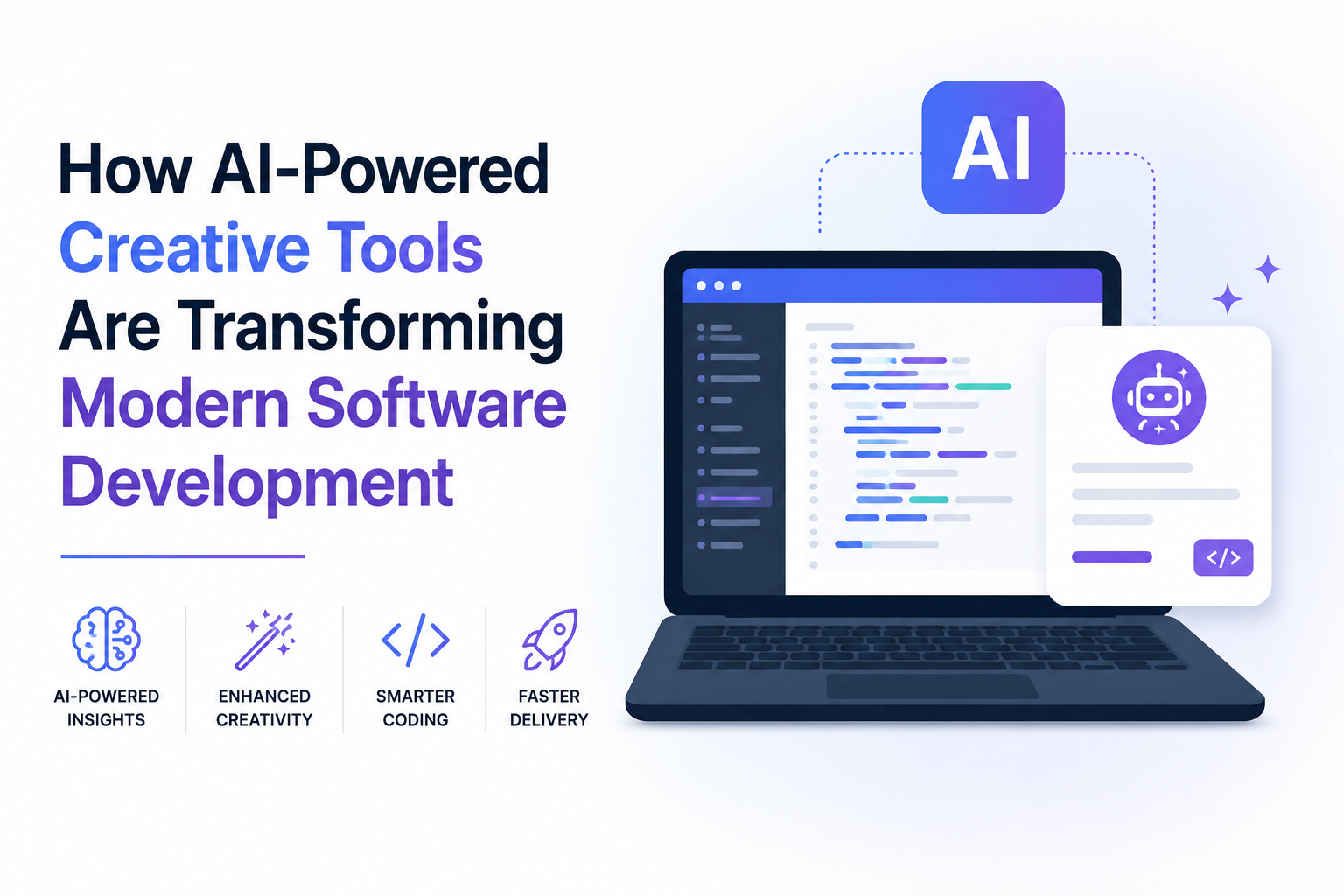
Software development has evolved far beyond writing code alone. In today’s digital landscape, developers are expected to build products that are not only functional but also visually engaging, user-friendly, and optimized for modern online experiences. From SaaS platforms and mobile applications to e-commerce websites and digital tools, visual communication has become an essential part of software products.
As businesses increasingly compete in digital markets, developers and product teams face growing pressure to create polished interfaces, marketing materials, and visual assets quickly. This demand has contributed to the rapid rise of artificial intelligence in creative workflows. AI-powered platforms such as Nano Banana are helping developers, startups, and creators simplify image editing and accelerate visual content production without requiring extensive design expertise.
The Expanding Role of Developers
Modern software developers are often responsible for more than backend systems and application logic. Full-stack development, startup culture, and rapid product iteration have blurred the lines between engineering, design, and marketing.
For example, developers launching a SaaS platform may also need to create landing page graphics, product previews, social media content, onboarding visuals, and user documentation. Small teams frequently operate without dedicated designers, making efficient visual production increasingly important.
At the same time, users now expect modern applications to feel visually polished and intuitive. Strong design influences user trust, engagement, and retention. Applications with poor visual presentation often struggle to compete, regardless of technical quality.
This shift has encouraged developers and digital businesses to adopt tools that streamline creative workflows while maintaining professional results.
How AI is Simplifying Creative Production
Artificial intelligence is transforming digital content creation by automating many time-consuming editing tasks. AI-powered image editing tools can remove backgrounds, enhance images, improve lighting, and generate stylistic effects within seconds.
This automation significantly reduces production time and allows developers to focus more on building products rather than manually editing graphics. Instead of learning complex design software or outsourcing every creative task, teams can produce high-quality visuals internally and much more efficiently.
For startups and independent developers, this accessibility is especially valuable. AI-powered creative platforms lower technical barriers and make professional-quality visual content achievable even for small teams with limited resources.
Platforms like Nano Banana simplify these workflows by combining AI-assisted editing with user-friendly interfaces. This helps bridge the gap between technical development and visual communication.
AI and the Future of SaaS Products
The integration of AI into software products is becoming increasingly common across industries. From AI chatbots and recommendation systems to automated analytics and creative tools, artificial intelligence is reshaping how digital products are built and experienced.
Creative AI tools represent one of the fastest-growing areas in this ecosystem. Businesses increasingly require visual assets for websites, mobile apps, advertising campaigns, onboarding experiences, and social media platforms. AI-powered editing solutions help companies meet these demands while reducing operational costs and production bottlenecks.
In many cases, visual content directly influences customer perception and conversion rates. A well-designed landing page or polished product presentation can significantly improve user trust and engagement. AI-assisted creative tools allow developers and marketers to iterate more quickly, test different visual approaches, and optimize branding strategies efficiently.
Developers interested in exploring modern AI-assisted creative workflows can learn more through the official Nano Banana AI Image Editor platform, which focuses on simplifying professional image editing and visual generation for businesses and creators.
Improving Productivity in Agile Development
Agile development emphasizes rapid iteration, continuous deployment, and fast adaptation to user feedback. Traditional design workflows can sometimes slow this process because visual assets require additional production time and specialized expertise.
AI-powered creative tools help solve this problem by accelerating asset creation and simplifying revisions. Teams can quickly generate updated visuals for feature launches, UI improvements, promotional campaigns, or product documentation without major delays.
This increased flexibility is especially useful for startups operating in highly competitive markets. Faster iteration cycles allow companies to experiment more freely, respond to user feedback quickly, and maintain consistent branding across multiple channels.
Additionally, AI tools can reduce repetitive manual tasks that often contribute to burnout among developers and digital creators. Automating routine editing work allows teams to focus more on innovation, strategy, and user experience.
Balancing Automation with Human Creativity
Despite rapid advancements in artificial intelligence, successful software products still depend heavily on human creativity and decision-making. AI can automate execution, but it cannot fully replace originality, strategic thinking, or emotional understanding.
The most effective use of AI occurs when technology enhances human capabilities rather than replacing them entirely. Developers, designers, and creators still guide the vision, storytelling, and user experience behind digital products.
This balance is becoming increasingly important as AI-generated content grows more common online. Businesses that combine intelligent automation with authentic branding and strong product identity are often the ones that stand out most effectively.
AI should therefore be viewed as a productivity tool that supports innovation, not as a substitute for creativity or thoughtful design.
The Future of AI in Software Development
Artificial intelligence is expected to become even more integrated into software development workflows over the next decade. Developers may increasingly rely on AI for code generation, interface design, automated testing, content creation, and visual production.
At the same time, user expectations for digital experiences will continue to rise. Fast-loading applications, visually appealing interfaces, and personalized user experiences are becoming standard requirements across industries.
AI-powered creative tools help businesses meet these expectations more efficiently while making advanced design capabilities more accessible to smaller teams and independent developers.
The relationship between technology and creativity is no longer separate. Modern software development increasingly depends on the ability to combine engineering, design, and communication into cohesive digital experiences.
Conclusion
Artificial intelligence is reshaping modern software development by simplifying creative workflows and making professional-quality visual production more accessible. From SaaS startups and independent developers to large digital businesses, AI-powered creative tools are helping teams work faster, iterate more efficiently, and build stronger online experiences.
Platforms like Nano Banana demonstrate how AI can bridge the gap between technical development and visual communication by reducing production complexity while supporting creativity and innovation.
As software development continues evolving alongside AI technology, the businesses and creators who successfully combine intelligent automation with human creativity will likely lead the next generation of digital products and online experiences.