Creating visuals that capture the raw intensity of a workout is a persistent challenge for fitness marketers. Static images often feel too staged or fail to convey the explosive movement of a high-intensity interval training session. Traditional photography requires expensive lighting rigs, professional athletes, and multiple takes to get the perfect shot.
In the world of AI image generation, the struggle is even more specific. Most models fail to render human anatomy correctly during complex athletic movements. They often produce blurred limbs or distorted faces when tasked with showing high-energy action. This creates a barrier for fitness brands trying to scale their digital presence quickly.
Furthermore, integrating professional branding into these visuals is notoriously difficult. Capturing a perfect “PR” moment is useless if the gym’s motivational text or logo looks like a mess of digital artifacts. Brands need a way to combine photorealistic intensity with professional-grade graphic design.
The Evolution of Fitness Marketing Through AI
The fitness industry thrives on aspiration and visual proof of results. Modern consumers are savvy and can spot stock photography from a mile away. They want to see sweat, grit, and the texture of high-performance gear. This is where professional AI design platforms are stepping in to bridge the gap.
Higgsfield has emerged as a solution for creators who need more than just a basic prompt-to-image tool. By unifying top-tier AI models into a single professional studio platform, it allows for a level of control that was previously impossible. This technical synergy ensures that the energy of a campaign is maintained from the first concept to the final export.
A significant part of this evolution involves how we handle text within imagery. Fitness posters, supplement packaging, and social media banners rely heavily on typography to convey motivation. Using GPT Image 2 allows creators to generate commercial-grade imagery that includes pixel-perfect text and multilingual typography. This integration solves the age-old AI problem of “gibberish” text in background gym signage or product labels.
Professional designers are now using these tools to create entire campaign ecosystems. You can start with a character in a specific pose and maintain that consistency across different environments. This workflow is essential for building a cohesive brand identity in a crowded market.
Mastering the High-Energy Aesthetic
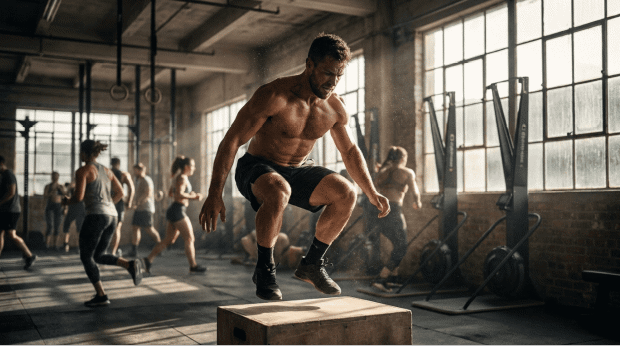
To create high-energy visuals, you must understand the technical elements that signal “intensity” to the human brain. It is not just about a person running. It is about the tension in the muscles, the spray of water or sweat, and the dramatic lighting of the environment.
When using higgsfield, you have access to specialized models that excel in different visual styles. For cinematic AI image creation, Higgsfield Soul is the go-to choice. It focuses on the subtle details of human skin and clothing textures that make a fitness image feel authentic.
On the other hand, if your brand leans toward a more hyper-real or creative look, Seedream offers the flexibility to push boundaries. This model is perfect for “hero” shots where the lighting might be more atmospheric or neon-heavy. Combining these models within one platform gives brands a diverse toolkit for various campaign tiers.
According to a study on athletic imagery published in Frontiers in Psychology, the specific visual cues of effort and movement can significantly impact consumer perception of a brand’s effectiveness. Using GPT Image 2 ensures these visual cues are paired with clear, impactful messaging.
Actionable Strategies for Fitness Campaign Design
Creating a visual that stops the scroll requires a strategic approach to prompting and model selection. You cannot simply ask for “a man working out” and expect a professional result. You must guide the AI through the specifics of the fitness world.
- Focus on Dynamic Posing: Use verbs like “sprinting,” “exploding,” or “lifting” to suggest motion.
- Detail the Environment: Describe the gym as “industrial,” “minimalist,” or “neon-lit” to set the mood.
- Emphasize Textures: Include prompts for “beads of sweat,” “strained muscle fibers,” or “chalk dust in the air.”
- Leverage Lighting: Specify “rim lighting” or “dramatic shadows” to define the athlete’s physique.
The power of GPT Image 2 lies in its ability to follow these detailed instructions while keeping the text elements sharp. If you are designing a product shot for a protein powder, the label needs to be legible. This model handles the technical side of typography so you can focus on the artistic direction.
Higgsfield also provides a seamless path to video conversion. A high-energy static image can be transformed into a dynamic social media ad with a few clicks. This is a game-changer for fitness brands that need to populate platforms like TikTok and Instagram Reels with high-quality content.
Technical Precision with Professional Models
The “professional studio” aspect of higgsfield is what sets it apart from consumer-level AI generators. It is designed for a workflow that respects the needs of a commercial graphic designer. You are not just rolling the dice on a random generation. You are using a specialized toolset.
- Model Selection: Choose Flux.1 for realistic body proportions or Nano Banana Pro for fast iterations.
- Text Integration: Use GPT Image 2 when the visual requires specific slogans or legible branding.
- Character Consistency: Ensure the same “brand athlete” appears across multiple pieces of content.
- Upscaling: Use the 4K output options to ensure the visuals are ready for large-format print or high-res digital displays.
By utilizing GPT Image 2 for your primary campaign assets, you ensure that the text is never an afterthought. This model is specifically tuned for commercial graphic design, making it ideal for posters and digital product mockups. It removes the need for extensive post-production editing in traditional design software.
The ability to generate photorealistic 4K imagery means these assets are ready for professional use immediately. Whether it is a website hero banner or a billboard, the clarity remains intact. This efficiency allows small fitness brands to compete with industry giants on a visual level.
Why Textual Accuracy Matters for Fitness Branding
In fitness, your “Why” is just as important as the “How.” Motivational quotes and brand slogans are the backbone of gym culture. If your AI-generated poster has a misspelling in the word “Perseverance,” the brand’s authority is immediately diminished.
Using GPT Image 2 provides the security of knowing your typography will be correct every time. It supports multilingual typography, which is vital for global fitness brands launching campaigns in multiple regions. You can maintain the same high-energy visual while swapping the text to match the local language.
The integration within higgsfield allows for a “text-first” design philosophy. You can define the message of the campaign and then build the high-energy visual around it. This ensures that the athlete’s movement and the lighting always complement the headline rather than distracting from it.
Furthermore, the platform’s ability to handle digital product mockups is invaluable. Supplement brands can generate realistic lifestyle shots of their products in a gym setting. By using GPT Image 2, the labels on those bottles remain sharp and professional, providing a level of realism that builds consumer trust.
From Static Images to Motion Content
The future of fitness marketing is moving. While static images are essential for posters and packaging, video is the king of engagement. The transition from a high-energy static visual to a moving video is where higgsfield truly shines as a professional platform.
Once you have perfected your visual using GPT Image 2, you can use the built-in video conversion tools to bring it to life. Imagine a static shot of a sprinter that suddenly bursts into motion, or a weightlifter completing a heavy squat. This creates a cohesive narrative across all marketing channels.
The speed at which these assets can be created is a significant competitive advantage. A campaign that used to take weeks of planning and shooting can now be executed in a single afternoon. This allows brands to react to trends in real-time without sacrificing the quality of their visuals.
In conclusion, the combination of specialized AI models and professional design workflows is revolutionizing fitness marketing. By leveraging tools like GPT Image 2 within the higgsfield ecosystem, brands can create high-energy, text-accurate visuals that truly resonate with their audience. The barrier between a creative vision and a professional campaign has never been thinner.