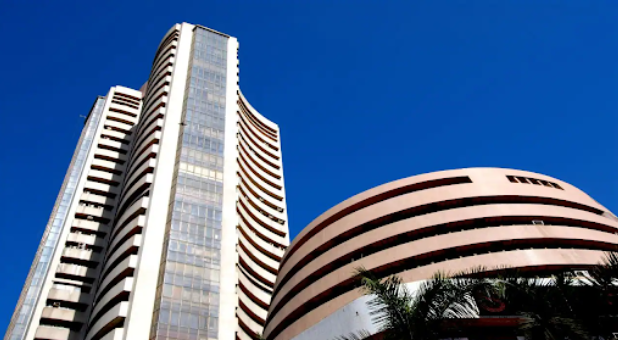
The Bombay Stock Exchange (BSE), located in Mumbai, India, is one of the most critical financial institutions in the country. It serves as a platform where companies can raise funds, and investors can buy or sell stocks to grow their wealth. Established in 1875, the BSE holds the title of Asia’s oldest stock exchange and plays an integral role in shaping India’s financial landscape.
In this article, we’ll explain what the Bombay Stock Exchange is, how it works, and important concepts like dividends to help you understand it better. Whether you’re an investor, a beginner in stocks, or someone curious about financial markets, this simplified guide will make things easy.
What is the Bombay Stock Exchange (BSE)?
The Bombay Stock Exchange is an electronic marketplace where shares of publicly listed companies are traded. Companies list their shares on the BSE so that people can invest in them. It acts as a bridge between businesses that need money to grow and individuals or institutions who want to invest their hard-earned savings for future returns.
The BSE is known for its speed and efficiency. It uses advanced technology to allow millions of investors to trade in fractions of a second. Traders and investors all over the world trust its secure and transparent operations.
How Does the Bombay Stock Exchange Work?
The BSE works similarly to other stock exchanges worldwide. Here’s a step-by-step explanation:
1. Listing Companies on the Exchange: Companies need money to grow their businesses. To raise funds, they list their shares on the BSE by conducting an Initial Public Offering (IPO). After listing, their shares are open for public trading.
2. Trading Shares: Once a company’s shares are listed, investors can buy or sell them using the BSE platform. A buyer purchases shares hoping their value will rise, while a seller sells shares hoping to lock in profits or prevent losses.
3. Stock Prices: Stock prices fluctuate depending on demand and supply. For example, if many investors want to buy shares of a company, its price goes up. Similarly, if people sell the stock, its price drops.
4. Dividends: Companies listed on the BSE may share their profits with shareholders in the form of dividends. Dividends are like rewards given to investors for trusting the company’s stock.
5. Regulation: The BSE follows strict rules set by financial regulators like the Securities and Exchange Board of India (SEBI). This ensures transparency, investor protection, and ethical practices.
Key Facts About Bombay Stock Exchange
Here are some interesting facts about the BSE:
1. Historic Significance: Founded in 1875, the Bombay Stock Exchange is the oldest stock exchange in Asia. For decades, it has been at the heart of India’s financial growth.
2. BSE Sensex: The BSE has a benchmark index called Sensex, which tracks the performance of the top 30 companies listed on the exchange. It’s a trusted indicator of the Indian economy’s health.
3. Technology and Speed: In 1995, the BSE became the first exchange in India to introduce electronic trading. Today, it can handle millions of transactions in real time.
Why is the Bombay Stock Exchange Important?
The Bombay Stock Exchange plays a vital role in shaping India’s economy. Here’s why it matters:
1. Capital for Companies: The BSE allows companies to raise funds for expansion, research, and operations by offering their shares to investors.
2. Wealth Creation for Investors: Individual and institutional investors can grow their money by buying shares on the BSE. Successful companies often reward their investors with rising stock prices and dividends.
3. Economic Indicator: The performance of the BSE, especially the Sensex, reflects the overall health of the Indian economy. A growing Sensex signals a booming economy, while a falling Sensex shows challenges.
Understanding Dividends
When discussing the Bombay Stock Exchange, one term that often comes up is dividends. Dividend are extra income that shareholders earn if a company decides to share its profits. They are vital for investors who look for steady income in addition to potential stock price growth.
Here’s how dividends work:
1. Declaration: A company listed on the BSE announces that it will distribute dividends for a specific quarter or year.
2. Dividend Payment: Shareholders receive the declared amount based on the number of shares they own.
3. Types of Dividends:
– Cash Dividends: The company pays dividends in cash directly to shareholders.
– Stock Dividends: Instead of cash, the company may issue additional shares as a dividend.
4. Dividend Yield: This is a measure of the dividend amount compared to the stock price. It helps investors assess the attractiveness of a stock as a dividend-paying investment.
Should You Invest in the Bombay Stock Exchange?
Investing in the stock market via the Bombay Stock Exchange can be a rewarding experience if done wisely. Like any financial decision, it requires research, planning, and patience. Here’s why investing in the BSE might be a good idea:
1. Diversification: The BSE hosts companies from various industries, allowing you to spread your investments across sectors like finance, technology, healthcare, and more.
2. Dividend Income: Many companies listed on the BSE pay regular dividends, giving investors a steady income stream.
3. Long-Term Growth: Investing in fundamentally strong companies can lead to wealth creation over time as the stock prices grow and dividends continue to flow in.
4. Ease of Access: Today, investing in the BSE is easier than ever. You can open a trading account online, learn from educational resources, and start investing even with a small amount.
Tips for Beginners in the BSE
If you’re new to the Bombay Stock Exchange, here are some simple tips to get started:
1. Learn Before Investing: Gain basic knowledge about how stocks and dividends work. Read articles, watch videos, or attend investment workshops.
2. Start Small: Begin with a small investment amount. As you gain confidence, you can increase your portfolio size gradually.
3. Check Company Fundamentals: Before buying any stock, research the company’s financial health, growth prospects, and past performance.
4. Focus on Long-Term Goals: Stock prices fluctuate daily, but long-term investing often yields better results. Stay patient and avoid panic-selling.
5. Diversify Your Portfolio: Don’t invest all your money in one stock. Spread your investments across multiple companies to reduce risks.
6. Understand Risk: Stock market investments carry risks. Accept that some stocks may lose value, but focus on overall portfolio growth.
Challenges and Risks
While the Bombay Stock Exchange offers excellent opportunities, it’s important to remember the risks involved:
1. Market Volatility: Stock prices can rise and fall sharply, which may lead to temporary losses.
2. Dividends Aren’t Guaranteed: Not all companies pay dividends, and even dividend-paying companies may reduce or discontinue them during tough times.
3. Economic Events: Events like inflation, political instability, or global crises can impact stock market performance.
Conclusion
The Bombay Stock Exchange is the backbone of India’s financial markets. It provides a platform for companies to grow and investors to build wealth. Features like dividends make investing attractive for those seeking regular income. By understanding the basics and investing wisely, anyone can benefit from the opportunities offered by the BSE.
Remember, the key to success is proper research, diversified investments, and a focus on long-term growth. Whether you are thinking of starting or already investing, the BSE’s secure and transparent system makes it a trusted choice for millions of investors.
Take your time to learn, start small, and watch your investments grow alongside India’s economy through the Bombay Stock Exchange!