Introduction
Choosing the right pot for your aloe plant isn’t just about looks—it’s about creating the perfect environment for a healthy, long-lived succulent. Aloe vera is known for its medicinal gel and its striking, spiky leaves, but it can quickly decline if grown in the wrong container. Poor drainage, the wrong material, or improper soil mix can cause root rot, weak growth, and floppy leaves.
In this guide, we’ll cover everything you need to know about aloe plant pots: the best materials, ideal sizes, proper soil, drainage strategies, repotting methods, and everyday care tips. This article is designed with both beginners and experienced indoor gardeners in mind, providing practical, expert-backed insights to keep your aloe thriving.
Why Pot Choice Matters for Aloe
Aloe vera is a desert succulent. In nature, it grows in sandy, gritty soils with excellent drainage. When grown indoors, the pot must replicate these conditions as closely as possible.
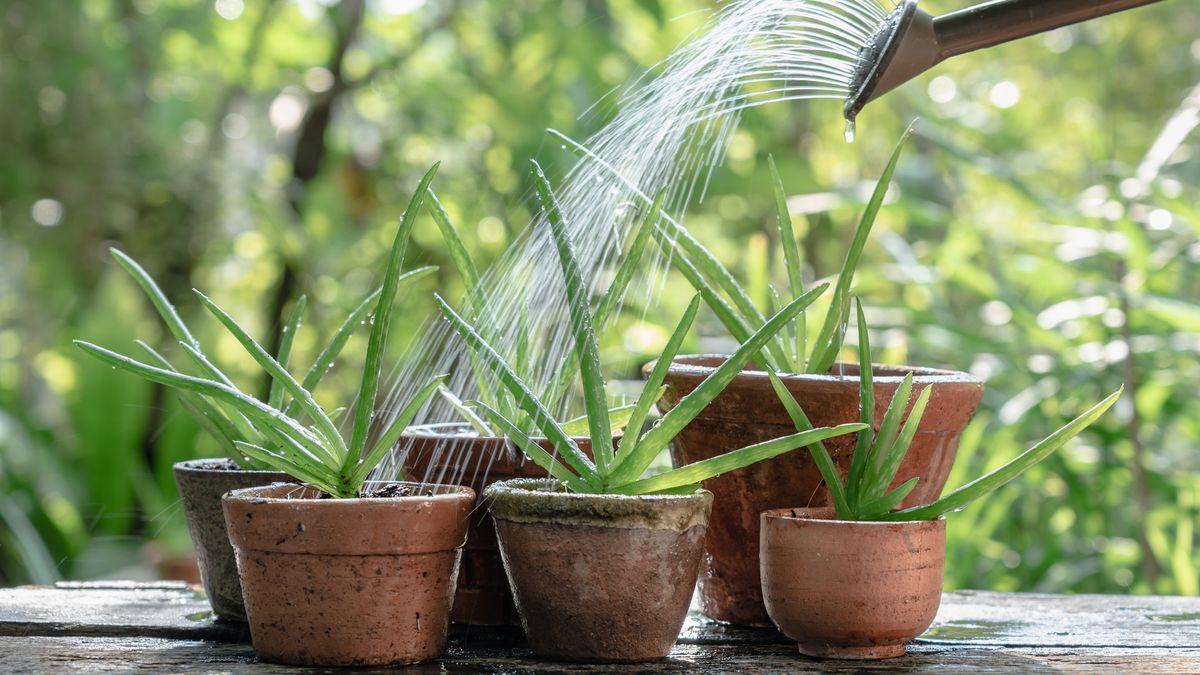
- Porous materials are key: Clay or terracotta pots allow moisture to evaporate through their walls, keeping roots from staying soggy.
- Drainage holes are non-negotiable: Every aloe pot must have at least one hole to prevent water from pooling at the bottom. Without it, root rot becomes inevitable.
- No gravel layers needed: A common myth is that gravel helps drainage. In fact, it reduces root space and traps water above the rocks. A good soil mix and a drainage hole are all that’s required.
By simply choosing the right pot, you can prevent 80% of the common aloe plant problems.
Best Pot Materials & Sizes
Different materials work for aloe, but each has its pros and cons.
Clay/Terracotta Pots
- Best choice for beginners.
- Naturally porous, allowing airflow and evaporation.
- Heavier weight keeps tall aloe plants from tipping over.
- Downsides: They dry out quickly, so you’ll need to monitor water a bit more.
Ceramic Pots
- Attractive and decorative, available in many styles.
- Often glazed, which reduces breathability.
- Choose unglazed ceramic or reduce watering if using glazed ceramic.
Plastic Pots
- Lightweight and inexpensive.
- Retain moisture longer, which can be risky for aloe.
- Suitable if you’re diligent about watering and drainage.
Metal or Decorative Pots
- Not ideal for direct planting.
- Use them as outer “cachepots” and keep aloe inside a breathable nursery pot.
Pot Size Guide
- Choose a pot just 1–2 inches wider than the aloe’s root ball.
- Aloe prefers to be slightly snug—too much space leads to slow growth and excess moisture.
- For mature plants with pups, go one size larger or divide the offsets into separate pots.
Soil Mix & Drainage
Even the best pot fails without the right soil. Aloe needs a mix that dries quickly and doesn’t compact.
- Best option: A cactus or succulent soil mix.
- DIY blend: Combine two parts potting soil, two parts perlite or pumice, and one part coarse sand.
- Additives: Worm castings or compost can be added in small amounts to boost nutrients.
- pH preference: Aloe thrives in slightly acidic to neutral soil (around 6.0–7.0).
To maximize drainage, always leave some space (about ¾ inch) between the soil surface and the pot rim. This prevents water from spilling over and ensures oxygen reaches the soil.
Repotting Aloe: When & How
Aloe plants grow slowly, but eventually they outgrow their containers. Repotting helps refresh soil, prevent root crowding, and create space for pups (offsets).
When to Repot
- Every 2–5 years, depending on growth.
- When the plant becomes root-bound.
- When soil becomes compacted or holds too much water.
- When multiple pups crowd the mother plant.
Steps to Repot Aloe
- Water the plant lightly 24 hours before repotting.
- Remove the aloe carefully, supporting the base of the leaves.
- Brush off old soil and check for rotted or dried roots.
- Fill the new pot about one-third with fresh succulent soil.
- Place the aloe in the center, fill around the roots, and press gently.
- Leave space at the top of the pot for watering.
- Water lightly and allow soil to settle.
Separating Pups
- Pups are small baby aloes that grow around the mother plant.
- Detach pups with some roots attached.
- Allow cut surfaces to dry for a day before planting.
- Pot them in small containers with well-draining soil.
Everyday Aloe Care in Pots
Once potted correctly, aloe vera is one of the easiest houseplants to care for.
Light
- Needs bright, indirect sunlight.
- Indoors: Place near a south or west window.
- Outdoors: Morning sun with afternoon shade works best.
Watering
- Rule of thumb: Water only when the top 1–1.5 inches of soil is dry.
- Indoors: Usually every two weeks.
- Outdoors in hot climates: About once a week.
- In winter: Water sparingly—growth slows, and roots are prone to rot.
Temperature & Humidity
- Ideal range: 55–80°F (13–27°C).
- Never expose aloe to frost or prolonged cold below 50°F (10°C).
- Average indoor humidity is perfect; no misting required.
Fertilizing
- Not essential, but can boost growth.
- Use a diluted succulent fertilizer once every 4–6 weeks during spring and summer.
- Avoid fertilizing in winter.
Pest & Disease Watch
- Overwatering leads to floppy, pale leaves.
- Mealybugs are the most common pest—remove with cotton swabs dipped in alcohol.
- Brown, crispy tips usually mean too much sun or very dry air.
Styling Aloe Plants Indoors
Aloe doesn’t just need a practical pot—it can also be a decorative element.
- Terracotta pots give a rustic, earthy vibe.
- Minimalist white ceramic pots suit modern interiors.
- Hanging baskets with drainage are suitable for small aloe varieties.
- Grouping aloe with other succulents in matching pots creates a stylish indoor display.
When styling, remember that aloe will eventually grow tall and produce offsets—choose pots that are easy to handle and repot.
Read More: Amana Dryer Not Getting Hot – Quick Troubleshooting Guide
Conclusion
The right pot sets the stage for aloe vera to thrive. A breathable material like terracotta or unglazed ceramic, combined with proper drainage holes and a well-draining soil mix, gives this desert plant the environment it needs to stay healthy. Choosing the correct size—just slightly larger than the root ball—prevents overwatering and encourages steady growth.
Repotting every few years ensures fresh soil and space for pups, while day-to-day care keeps aloe strong: bright indirect sunlight, deep but infrequent watering, and protection from cold temperatures. With minimal fertilizing and occasional attention to pests, your aloe plant will flourish indoors or out, providing both beauty and its well-known healing gel.
By understanding pot choice, soil, and care basics, you’ll enjoy a vibrant, low-maintenance aloe plant for many years—whether it’s brightening a windowsill or thriving on your patio.
FAQs
1. What kind of pot is best for aloe vera?
Terracotta or clay pots with drainage holes are best because they allow airflow and prevent water from sitting in the soil.
2. How big should a pot be for aloe?
Choose a pot 1–2 inches wider than the plant’s root ball. Aloe prefers being slightly snug rather than oversized.
3. What soil should I use for aloe vera in pots?
Use a cactus or succulent mix, or create a blend of potting soil, perlite, and coarse sand for excellent drainage.
4. How often should aloe plants be repotted?
Every 2–5 years, or sooner if roots outgrow the pot or if soil quality declines.
5. Why are my aloe leaves floppy or pale?
This usually means overwatering, poor drainage, or not enough light. Repot into a well-draining mix and adjust care routine.