
Veozah, the brand name for fezolinetant, is a relatively new prescription medication designed to manage moderate to severe hot flashes associated with menopause. Unlike hormone replacement therapy, Veozah is nonhormonal, making it an option for individuals who cannot or prefer not to take estrogen. However, despite its benefits, the medication has raised serious safety concerns, particularly regarding liver health.
Regulatory agencies have issued boxed warnings, highlighting rare but potentially serious liver injury among users. Other side effects, ranging from digestive disturbances to sleep issues, may also affect some patients. While Veozah represents an important treatment alternative, it must be approached with caution, medical supervision, and regular monitoring. This article explores why Veozah can be “bad” for some people, its potential side effects, safety considerations, and comparisons with other therapies. Understanding these factors is crucial for making informed, safe decisions about managing menopausal symptoms.
1. What Is Veozah (Fezolinetant)?
Veozah is a prescription drug that targets vasomotor symptoms — primarily hot flashes and night sweats experienced during menopause. It works by blocking neurokinin 3 (NK3) receptors in the brain, which are involved in regulating body temperature. As a neurokinin receptor antagonist, it operates without altering hormone levels, which is why it is often preferred by individuals who cannot take estrogen-based treatments.
Approved in recent years, Veozah represents a new class of nonhormonal therapy for menopausal symptoms. While it offers promise for symptom relief, its safety profile has drawn attention due to reports of liver injury in some patients. These concerns have led healthcare professionals to recommend careful monitoring and thorough discussion of risks and benefits before starting treatment.
2. Why Some Experts Say Veozah Can Be Bad
Although Veozah can be effective for hot flashes, experts caution that it carries several potential risks, making it unsuitable for everyone.
a. Risk of Rare but Serious Liver Injury
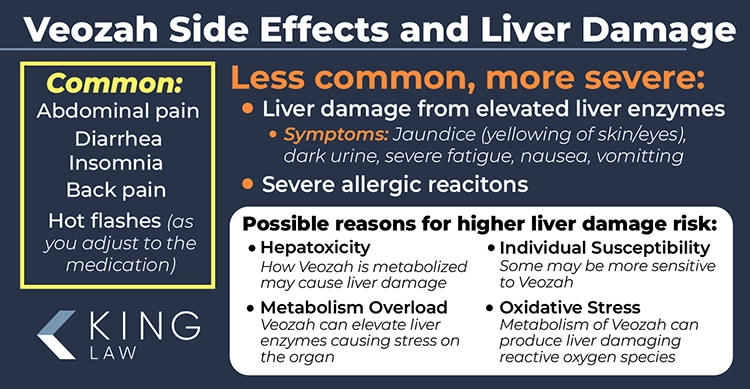
The most serious concern with Veozah is liver damage. Cases of elevated liver enzymes and even liver injury have been reported, prompting health authorities to issue boxed warnings. Symptoms indicating liver problems may include:
- Fatigue or unusual tiredness
- Nausea or vomiting
- Abdominal pain
- Yellowing of eyes or skin (jaundice)
- Dark urine or pale stools
- Itching
To reduce risk, healthcare providers perform baseline liver tests before starting Veozah and repeat these tests regularly during treatment. If liver function markers rise, treatment must be stopped immediately. Although these serious events are rare, they can have significant health consequences if not detected early.
b. Common Side Effects
Even without liver concerns, Veozah may cause more typical, less severe side effects such as:
- Stomach pain or discomfort
- Diarrhea
- Difficulty sleeping or insomnia
- Back pain
- Persistence of hot flashes
While often manageable, these side effects can impact quality of life and may influence whether patients continue treatment.
c. Contraindications and Drug Interactions
Veozah is not safe for everyone. Individuals with existing liver disease, cirrhosis, or severe kidney issues may be at higher risk for complications. Certain medications that interfere with liver enzymes can also increase the likelihood of side effects. Proper evaluation by a healthcare provider is essential to determine if Veozah is safe for each patient.
d. Cost and Accessibility Considerations
Veozah can be expensive, and insurance coverage may vary. High costs may limit access for some individuals who could benefit from this treatment, adding a practical consideration alongside medical safety.
3. How Often Are Serious Side Effects Reported?
Although the risk of liver injury is serious, it is also rare. Most patients tolerate Veozah without severe complications. Mild increases in liver enzymes have been observed in clinical studies in a small percentage of participants, highlighting the importance of routine monitoring. Early detection and prompt intervention are key to preventing severe liver problems. Regular checkups and adherence to medical advice dramatically reduce risks for most users.
4. How Does Veozah Compare With Other Treatments?
Veozah is one of several options for managing menopausal symptoms:
Hormone Replacement Therapy (HRT)
- Often more effective in controlling hot flashes
- Carries risks, including higher likelihood of heart disease, stroke, blood clots, and certain cancers
- Not suitable for all patients due to medical history or personal preference
Other Nonhormonal Options
- SSRIs or SNRIs (antidepressants) can reduce hot flashes but may cause nausea, sexual side effects, or sleep disturbances
- Lifestyle interventions — such as exercise, dietary changes, and cooling strategies — can help but may not fully eliminate symptoms
Veozah offers a unique alternative, particularly for those who cannot use hormone therapy. Its effectiveness must be balanced against potential risks, particularly liver toxicity, to make the safest choice.
5. Safety Tips for Veozah Users
If Veozah is prescribed, consider these precautions:
- Share all current medications and supplements with your healthcare provider
- Complete all scheduled liver function tests before and during treatment
- Watch for symptoms of liver problems such as jaundice, dark urine, or unusual fatigue
- Discuss risk-benefit considerations with your provider
- Avoid self-adjusting doses or combining Veozah with medications that may increase liver stress
Following these guidelines helps reduce the likelihood of serious complications while maximizing potential benefits.
Read More: Decoding Kierzugicoz2005: The Internet’s Curious Enigma
Conclusion
Veozah (fezolinetant) provides a nonhormonal alternative for managing menopausal hot flashes, especially for individuals who cannot take estrogen-based therapies. Despite its benefits, it carries potentially serious risks, particularly concerning liver injury. Rare but severe liver problems can occur, and monitoring is essential to detect issues early.
Additional side effects, from digestive discomfort to insomnia, may also affect patients. Veozah is contraindicated for individuals with pre-existing liver or kidney conditions, and careful consideration of drug interactions is critical. While many patients tolerate the drug without serious complications, its use requires medical supervision, informed consent, and ongoing evaluation. For those seeking relief from menopausal symptoms, Veozah may be an effective option, but only when the benefits outweigh potential harms. Collaborative decision-making with a healthcare professional ensures both safety and symptom relief.
FAQs
1. Why do doctors say Veozah can be bad?
Veozah can rarely cause serious liver injury, requiring frequent liver monitoring and careful evaluation before and during treatment.
2. What are common side effects of Veozah?
Side effects may include stomach pain, diarrhea, insomnia, back pain, and persistence of hot flashes.
3. How do I know if Veozah is causing liver damage?
Signs include fatigue, nausea, yellowing of the eyes or skin, dark urine, and abdominal pain. Immediate medical attention is necessary.
4. Can everyone take Veozah safely?
No. People with liver disease, cirrhosis, severe kidney issues, or certain drug interactions should avoid Veozah.
5. Are there safer alternatives to Veozah?
Yes. Options include hormone therapy (HRT), antidepressants like SSRIs/SNRIs, lifestyle changes, and cooling techniques depending on individual health and preferences.