
Introduction
In today’s fast-moving financial technology (FinTech) industry, information is not just content — it’s trust. Readers who search for FinTech advice, whether on payments, banking apps, or blockchain solutions, are making decisions that can affect their money, security, and future. That’s why search engines like Google hold FinTech websites to higher standards. For platforms such as RarefiedTech, standing out requires more than covering the latest innovations. It means creating content that reflects Experience, Expertise, Authoritativeness, and Trustworthiness (EEAT).
This approach does more than improve SEO rankings. It builds credibility with audiences, reassures potential users that information is accurate and safe, and aligns the site with best practices in digital publishing. In this article, we’ll explore why EEAT is especially critical for FinTech, how RarefiedTech can integrate it across content, and strategies to sustain long-term growth while protecting user trust.
What is EEAT and Why It’s Crucial in FinTech
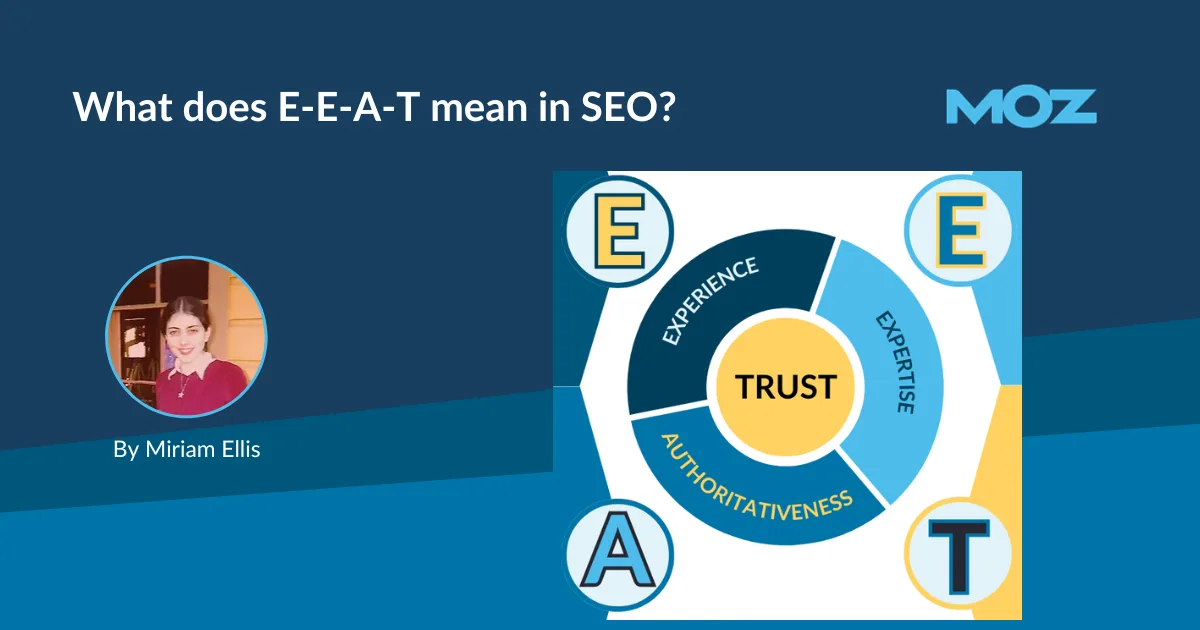
EEAT stands for Experience, Expertise, Authoritativeness, and Trustworthiness. These four elements guide how search engines evaluate whether online content is reliable enough to recommend. FinTech falls into what Google calls YMYL (“Your Money or Your Life”) categories. This means inaccurate or misleading information could harm people financially, so quality standards are especially strict.
- Experience: Content should reflect real-world practice, not just theory. Articles with case studies, interviews, or step-by-step tutorials provide lived knowledge that readers value.
- Expertise: Writers or contributors need recognized qualifications, professional backgrounds, or skills relevant to finance and technology.
- Authoritativeness: Content should be cited, respected, or acknowledged by others in the field. Industry reputation builds trust with both users and algorithms.
- Trustworthiness: Transparent policies, accurate sourcing, updated information, and secure infrastructure all reinforce user confidence.
For RarefiedTech, focusing on EEAT is not optional. It’s the difference between being a credible resource and being ignored in search results.
Building EEAT on RarefiedTech
To implement EEAT effectively, RarefiedTech can follow a series of best practices that combine editorial quality, technical accuracy, and user experience.
1. Strengthen Author Profiles
Every article should carry a clear byline with an author bio. Bios can highlight education, work experience in finance or technology, and relevant certifications. This signals expertise and personal accountability.
2. Add Real-World Case Studies
Publishing detailed case studies, product reviews, or implementation examples demonstrates first-hand experience. When readers see practical applications, they trust the insights more than generic overviews.
3. Maintain Accuracy and Updates
In FinTech, laws, regulations, and technologies evolve quickly. Articles need regular updates to remain valid. Outdated statistics or policies undermine trust and rankings.
4. Use Transparency and Clear Policies
Pages like About, Contact, Privacy Policy, and Terms of Service build credibility. Disclaimers such as “not financial advice” also clarify boundaries. This shows readers that RarefiedTech values honesty and compliance.
5. Build Authority Through Collaboration
Guest articles, expert interviews, and references from respected institutions enhance authority. Earning recognition from peers in FinTech further strengthens the site’s standing.
6. Optimize User Experience
A fast, mobile-friendly site with clear formatting and visuals makes content easier to consume. Well-structured pages also signal professionalism.
7. Ensure Regulatory and Legal Compliance
Articles must reflect accurate legal and financial practices. Misrepresentation could damage credibility and even pose legal risks. Consulting experts where needed ensures compliance.
EEAT and SEO Strategy
EEAT does not replace SEO — it enhances it. For RarefiedTech, aligning EEAT with search optimization means:
- Keyword Research with Intent: Focus on queries users actually ask, such as “how secure is mobile banking” or “how to use OCR in payments.”
- Comprehensive Content: Go beyond surface-level answers. Detailed guides, comparisons, and tutorials reflect both expertise and authority.
- Internal and External Linking: Internal links improve site navigation, while external references to reputable institutions demonstrate research.
- Visual and Interactive Media: Infographics, charts, and explainer videos reinforce trust by presenting complex information clearly.
- Content Refreshing: Regular updates to reflect market changes, regulatory shifts, and new innovations keep content relevant.
By combining technical SEO with EEAT, RarefiedTech can grow visibility while maintaining trustworthiness.
Examples of EEAT-Friendly FinTech Content
To bring EEAT principles to life, RarefiedTech could publish:
- Step-by-Step Guides – e.g., “How to Set Up a Secure Digital Wallet in 2025”
- Case Studies – e.g., “How Small Businesses Adopted AI-Driven Payments”
- Regulatory Explainers – e.g., “Understanding Data Privacy Laws in FinTech”
- Comparative Reviews – e.g., “Which Payment Gateway Is Best for Startups?”
- Expert Opinion Pieces – e.g., “The Future of DeFi from a Risk Perspective”
Such articles show a blend of experience, expertise, authority, and trustworthiness.
Monitoring Success of EEAT Strategy
RarefiedTech can measure its progress through:
- Search Rankings: Tracking improvements for targeted queries.
- Traffic Quality: Measuring time spent on pages and bounce rates.
- Engagement: Comments, shares, and return visits indicate trust.
- Backlink Profile: More references from reputable sources confirm authority.
- User Feedback: Surveys or direct input can highlight areas to improve.
Monitoring ensures the site not only meets EEAT standards but continuously adapts to user expectations.
Challenges in Applying EEAT to FinTech
Building EEAT is not without hurdles:
- Fast-Changing Industry: Constant updates are needed to stay accurate.
- Regulatory Complexity: Laws differ across countries, making compliance harder.
- User Skepticism: Many users approach FinTech cautiously, so trust must be earned.
- High Competition: Established finance sites already rank strongly, raising the bar.
Recognizing these challenges helps RarefiedTech prepare better strategies.
Long-Term Benefits of EEAT for RarefiedTech
Investing in EEAT yields both immediate and lasting rewards:
- Stronger rankings in competitive search results.
- Higher user loyalty and repeat visits.
- Better partnerships with other credible institutions.
- Reduced risk of misinformation penalties from search engines.
- A reputation as a reliable leader in FinTech knowledge.
Ultimately, EEAT transforms RarefiedTech from a content platform into a trusted digital authority.
Read More: Money6x Review 2025: Legit Opportunity or Risky Gamble?
Conclusion
For a FinTech platform like RarefiedTech, building credibility is not just about ranking on Google — it’s about trust, accuracy, and authority. By weaving Experience, Expertise, Authoritativeness, and Trustworthiness into every piece of content, RarefiedTech can align with the high standards expected of financial publishers. This means showcasing authors’ backgrounds, including first-hand insights, keeping information current, and ensuring transparency across the site.
The benefits go far beyond SEO. Readers are more likely to rely on RarefiedTech as a trusted resource, share its content, and return for future insights. In a world where financial misinformation can have real consequences, EEAT offers a framework for building both user confidence and long-term success. RarefiedTech’s commitment to these principles will not only boost its visibility but also cement its position as a leading voice in the global FinTech conversation.
FAQs
1. How to show expertise in FinTech content?
Highlight author credentials, use technical depth, and provide examples from real-world finance or technology applications.
2. How to make FinTech articles trustworthy?
Ensure accuracy, disclose policies, keep data updated, and include disclaimers where appropriate.
3. How to build authority for a FinTech website?
Publish in-depth content, earn recognition from industry experts, and gather citations from respected platforms.
4. How to keep EEAT strong over time?
Regularly review and update old content, correct errors quickly, and adapt to new regulations and market changes.
5. How to balance SEO with EEAT in FinTech?
Target user-focused keywords, write comprehensive content, and optimize structure without sacrificing clarity or accuracy.