
Introduction
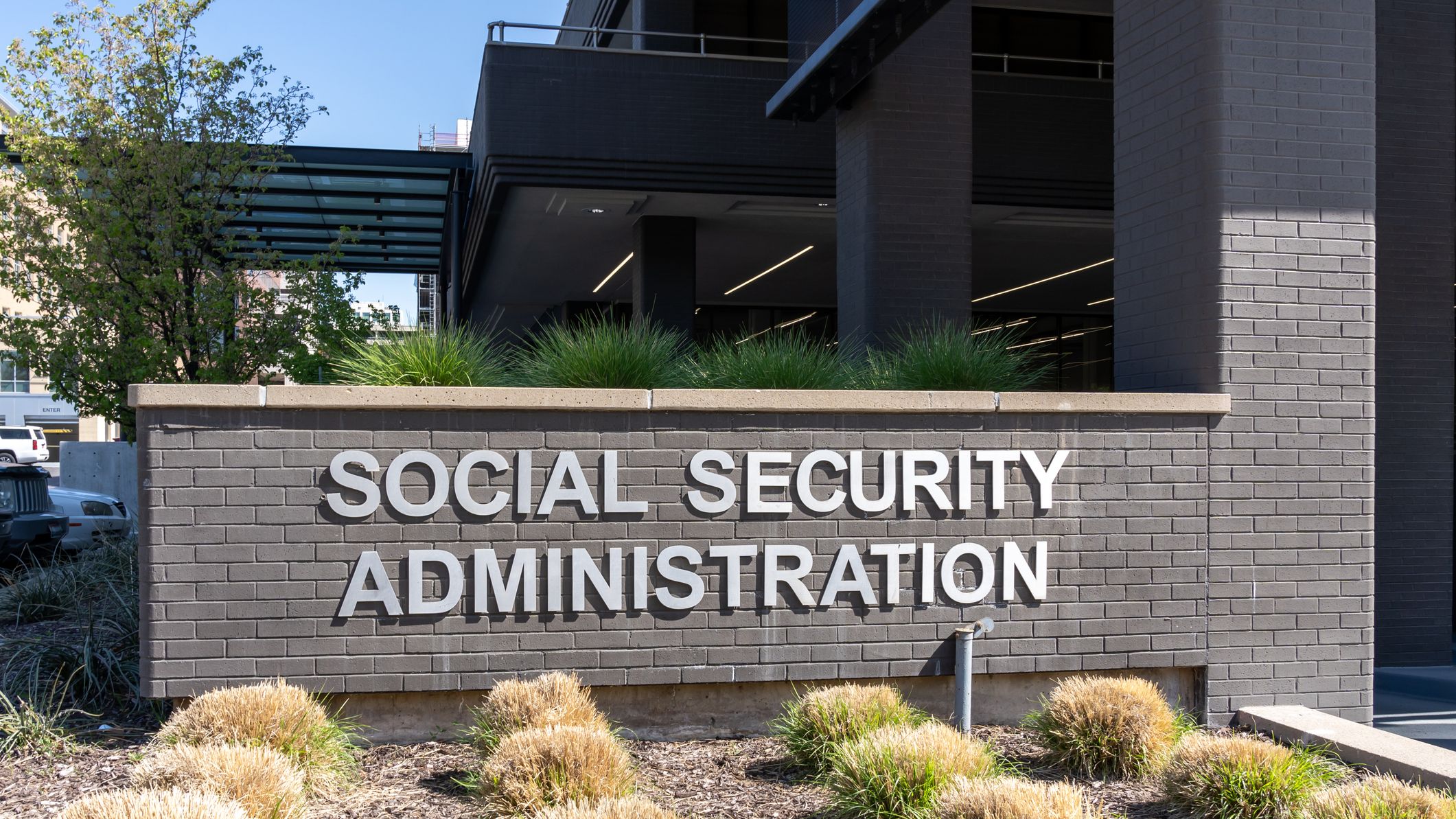
For millions of Americans, the Social Security office is a lifeline. Whether you are applying for retirement benefits, disability assistance, survivor benefits, Medicare enrollment, or simply replacing a lost Social Security card, your local office plays a central role. Yet many people are unsure of exactly what happens inside these offices, how to prepare for a visit, or how to use alternative services like online accounts and phone appointments.
In today’s environment, Social Security offices face new challenges—long wait times, staffing shortages, and occasional closures. Despite these obstacles, the agency continues to serve tens of millions of people every year. By learning how your Social Security office functions, what services are available, and how to make the most of your visit, you can save valuable time and avoid frustration. This article explains everything you need to know in a clear, trustworthy way, helping you get the benefits you deserve.
What Is the Social Security Administration?
The Social Security Administration (SSA) is the federal agency responsible for administering Social Security programs. This includes retirement, disability, survivor benefits, Supplemental Security Income (SSI), and Medicare enrollment. It also issues Social Security numbers and cards, maintains earnings records, and protects the trust funds that finance benefits.
The SSA operates through nearly 1,200 field offices across the country, in addition to regional offices, processing centers, and a national toll-free phone line. These offices are staffed with trained employees who guide people through applications, verify identity documents, and help resolve issues.
Social Security is one of the largest federal programs in the United States, touching nearly every household at some point. Whether you’re planning for retirement, supporting a family after a loss, or seeking disability benefits, your local Social Security office is often the first point of contact with the agency.
Services Offered at a Local Social Security Office
Your local office is more than just a place to pick up forms. Staff there are trained to assist with a wide range of services, including:
- Applying for benefits
You can apply for retirement, disability, survivor benefits, or Supplemental Security Income. Offices also help with Medicare enrollment and provide assistance for low-income beneficiaries seeking prescription drug cost relief. - Social Security numbers and cards
Offices issue new Social Security numbers in limited cases (such as newborns or immigrants) and can replace lost or stolen Social Security cards. - Earnings records
You can check and correct your earnings record to make sure your future benefit amount is accurate. - Benefit verification
Offices provide benefit verification letters that confirm your income for housing, loans, or other financial needs. - Appeals and reconsiderations
If your application is denied, local offices guide you through the appeals process and help schedule hearings. - Assistance for special populations
People living far from a field office may receive visits from traveling staff at contact stations. These outreach efforts ensure rural and underserved areas are not left behind. - Phone and online support
Even if you cannot visit in person, the national toll-free number and the “my Social Security” online portal provide access to many services, from checking claim status to updating personal details.
How Offices Have Changed in Recent Years
In recent years, Social Security offices have undergone significant changes. Rising demand, budget constraints, and technology upgrades have reshaped how services are delivered.
- Phone services remain available: Although there were plans to reduce phone services, public backlash ensured that people can still apply and manage claims by phone.
- Temporary office closures: Occasionally, local offices suspend in-person services due to renovations or staffing shortages. During these times, online and phone options become the main alternatives.
- Growing wait times: With millions of claims processed each year, some offices struggle with long lines and limited staff. Disability applications, in particular, can take months to process.
- Online growth: More services than ever are available through the “my Social Security” online account, including direct deposit setup, replacement cards in some states, and benefit estimates.
Despite challenges, the Social Security Administration continues to serve as the backbone of America’s safety net. Being prepared before you contact your local office helps ensure smoother service.
Best Practices for Visiting a Social Security Office
If you need to visit in person, preparation is key. Here are some tips:
- Schedule an appointment
While walk-ins are possible, appointments save time and reduce stress. Call your local office or the national 800 number to schedule. - Bring required documents
For most services, you’ll need proof of identity, such as a driver’s license, passport, or birth certificate. If applying for benefits, bring tax records, medical documentation, or employment history as needed. - Arrive early
Offices often open early in the morning, and arriving before peak hours can reduce your wait. - Consider alternatives
Check whether your request can be handled online. For example, replacing a card or checking benefit status may not require an in-person visit. - Document your visit
Take note of the staff member’s name, the date, and any reference numbers for your claim. This will make follow-ups easier. - Stay patient
Wait times can be long, especially for disability or SSI applications. Patience and preparation are your best tools.
Staying Safe: Recognizing SSA Scams
Scammers frequently impersonate the Social Security Administration. These scams often come through robocalls, emails, or fake letters. Common tactics include threatening arrest, suspending your Social Security number, or demanding payment via gift cards or wire transfers.
The SSA never threatens legal action, never asks for payment by unusual methods, and never requests your full Social Security number by phone or email. Always verify that you are on an official government site (ending in .gov) or speaking with the official national phone line.
If you suspect a scam, hang up immediately and report it to the Office of the Inspector General. Protecting your identity is as important as securing your benefits.
How Online and Phone Options Can Help
Many people never need to step foot in a Social Security office thanks to online and phone services. A free “my Social Security” account allows you to:
- Apply for retirement benefits.
- Check your earnings history and estimated benefits.
- Request replacement cards in eligible states.
- Update direct deposit and personal information.
- View and print benefit verification letters.
For those without internet access, the national phone line offers nearly all the same services. Representatives are available on business days to help file claims, answer questions, or set appointments. In fact, for many routine needs, the phone or website is faster than visiting an office.
Read More: Easy USPS Address Change: Step-by-Step Guide
Conclusion
Your local Social Security office plays a critical role in helping you access and manage retirement, disability, survivor, and SSI benefits. Whether you need to replace a Social Security card, check your earnings record, or appeal a claim decision, the office is there to guide you. While challenges such as long wait times and occasional closures can cause frustration, the combination of in-person, online, and phone services ensures that millions of Americans still receive the support they need.
The key to a successful experience is preparation: gather the right documents, schedule an appointment when possible, and explore online options before visiting. By staying vigilant against scams and relying on official SSA resources, you can protect both your personal information and your benefits. Social Security offices remain the backbone of the U.S. safety net, and with the right approach, you can navigate them with confidence.
FAQs
1. What can I do at a Social Security office?
You can apply for benefits, replace a Social Security card, check or correct earnings records, get benefit verification letters, and receive help with Medicare enrollment.
2. How do I make an appointment at my local office?
Call the national toll-free number or your local office directly to schedule, reschedule, or cancel an appointment.
3. Can I handle Social Security matters online?
Yes. With a “my Social Security” account, you can manage most services, including applications, benefit checks, and personal updates.
4. What happens if my field office is closed?
During closures, you can still access services by phone and online. SSA often provides updates and directs you to the nearest available office if needed.
5. Is Social Security phone service still available?
Yes. Phone service remains an important way to file claims, ask questions, and schedule appointments, especially for those unable to visit in person.