
Introduction
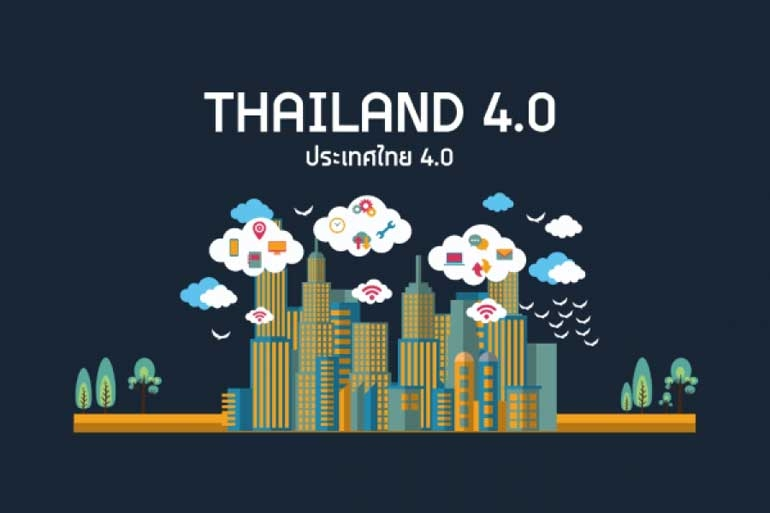
Thailand is undergoing a major digital transformation, reshaping how its economy, government, and citizens interact in everyday life. As part of the Thailand 4.0 vision, the nation is embracing new digital technologies to drive sustainable development, improve public services, and foster economic resilience.
From smart cities to artificial intelligence, Thailand is strategically integrating technology into every sector. This article explores the latest innovations propelling the country forward — including 5G connectivity, AI applications, fintech growth, and blockchain development. We’ll also look at the policies, infrastructure investments, and educational efforts ensuring digital inclusion across urban and rural areas.
With a clear focus on progress, innovation, and inclusivity, Thailand stands as a growing digital hub in Southeast Asia. Whether you’re a business owner, investor, or curious traveler, understanding Thailand’s digital future provides insight into one of the region’s most dynamic transformations.
1. Smart Cities: Future-Ready Urban Innovation
Thailand’s major cities — especially Bangkok, Phuket, and Chiang Mai — are being transformed into smart cities using advanced technology to enhance urban living. These cities integrate Internet of Things (IoT) systems for smart traffic management, energy efficiency, and environmental monitoring.
Digital platforms now allow citizens to report infrastructure problems, access real-time public transport updates, and receive alerts for weather and emergencies. City planning incorporates big data analytics to reduce congestion and improve air quality.
Government support, public-private partnerships, and investment in digital infrastructure are key drivers. These smart city initiatives also encourage innovation hubs, tech startups, and data-driven governance that make cities safer, greener, and more responsive.
2. 5G Technology: Foundation of Thailand’s Digital Ecosystem
Thailand was among the first ASEAN countries to adopt commercial 5G services. This high-speed, low-latency network is a game changer across sectors such as healthcare, manufacturing, logistics, and education.
In healthcare, 5G supports telemedicine, remote diagnostics, and real-time health monitoring devices. For manufacturing, 5G enables smart factories with robotic automation and predictive maintenance powered by IoT. In education, rural schools benefit from virtual classrooms and live learning through improved bandwidth.
Widespread 5G deployment strengthens Thailand’s digital economy, supports remote work, and fosters innovations in artificial intelligence and machine learning. It lays the groundwork for future technologies such as autonomous vehicles and immersive virtual reality applications.
3. Artificial Intelligence: Driving Economic and Social Growth
Artificial intelligence (AI) is quickly becoming a pillar of Thailand’s digital economy. Public and private sectors use AI to improve productivity, service delivery, and decision-making. Government programs are investing in AI research and promoting its use in industries like healthcare, agriculture, and finance.
In healthcare, AI helps analyze patient data, provide faster diagnoses, and personalize treatment plans. Farmers use AI to monitor soil conditions, predict weather patterns, and optimize crop yields. In finance, AI detects fraud, improves credit scoring, and offers chatbots for customer service.
Thailand’s “AI for All” strategy promotes AI literacy, training programs, and ethical frameworks to ensure responsible AI deployment that benefits society.
4. Fintech and Digital Payments: Accelerating the Cashless Economy
Fintech is revolutionizing how people and businesses handle money in Thailand. Mobile banking apps, e-wallets, and QR code payments are now part of daily life. Platforms like PromptPay have made peer-to-peer transfers fast and virtually free, even across borders.
Digital payments are widely accepted by vendors, from street food stalls to shopping malls. The pandemic accelerated cashless adoption, with even small businesses transitioning to e-wallets and online transactions.
The Thai government supports fintech innovation through regulatory sandboxes and regional collaboration for cross-border payment systems. These developments enhance financial inclusion, reduce transaction costs, and increase the reach of digital banking to rural populations.
5. E-Commerce Growth: Redefining Retail and Consumer Experience
Thailand’s e-commerce industry is booming, fueled by high internet penetration, smartphone adoption, and changing consumer behavior. Online marketplaces now compete with traditional brick-and-mortar stores, offering everything from groceries to electronics at the click of a button.
Social commerce through platforms like Facebook, Instagram, and LINE has also flourished. Influencers, live shopping streams, and integrated chat payments are redefining the buyer-seller relationship.
Logistics improvements, next-day delivery services, and digital marketing tools like AI leads empower small businesses and entrepreneurs to enter the digital economy. Government support through training, subsidies, and infrastructure development is ensuring that e-commerce growth benefits businesses of all sizes.
6. Cloud Computing and Digital Infrastructure Investments
Thailand is rapidly becoming a regional digital hub with significant investments in cloud computing and data centers. Global tech companies are building cloud infrastructure in the country to meet increasing data demands from businesses and consumers.
Cloud services are essential for digital transformation, offering scalable solutions for data storage, computing power, and cybersecurity. They support everything from startups to multinational corporations in deploying apps, managing remote teams, and analyzing customer data.
The government’s proactive digital policy encourages local adoption of cloud platforms in education, healthcare, and public services. This infrastructure backbone supports Thailand’s broader digital ambitions and its goal to lead in regional innovation.
7. E-Government and Public Service Transformation
Digital government services are improving efficiency, transparency, and citizen access in Thailand. Online tax filing, vehicle registration, healthcare appointments, and visa processes reduce paperwork and streamline public administration.
One of the latest developments is the introduction of electronic entry systems for travelers, replacing traditional paper forms with digital arrival cards. This improves border control while enhancing the visitor experience.
E-government efforts include chatbots for public inquiries, blockchain for official documents, and biometric verification systems. These changes are part of Thailand’s goal to provide “citizen-centric services” that are secure, inclusive, and efficient.
8. Cybersecurity and Data Privacy: Protecting Digital Progress
As digital services expand, so do cyber threats. Thailand has prioritized cybersecurity through national strategies, public awareness campaigns, and stricter data protection laws. The Personal Data Protection Act (PDPA), modeled after the GDPR, regulates how businesses handle user data.
Organizations must now be transparent about data collection, usage, and storage. Cybersecurity certifications, employee training, and threat detection systems are becoming standard practices.
Thailand also collaborates internationally to tackle cybercrime, ensuring that its digital transformation is built on a foundation of trust and security.
9. Blockchain Technology: Beyond Cryptocurrency
Thailand is exploring blockchain beyond just digital currencies. Applications include secure voting systems, digital IDs, transparent supply chains, and smart contracts.
For example, blockchain can track agricultural products from farm to table, ensuring food safety and origin transparency. Land registries and business licenses are also being tested on blockchain to prevent fraud and reduce bureaucracy.
The financial sector is leading with blockchain-based cross-border payments, enhancing efficiency and lowering costs. Government pilot projects continue to test how this technology can reduce corruption and increase accountability.
10. Digital Inclusion: Bridging the Urban-Rural Gap
Thailand recognizes that true digital transformation requires inclusive access to technology. Programs are underway to expand broadband coverage, reduce the cost of internet services, and provide digital skills training in underserved areas.
Community tech centers and digital literacy workshops help citizens of all ages learn how to use smartphones, online services, and e-commerce tools. The aim is to ensure that everyone — from school children to elderly farmers — benefits from the digital revolution.
By closing the digital divide, Thailand empowers all regions to contribute to and benefit from economic modernization.
Blue Flame Publishing Review: Author Services, Success Stories & FAQs
Conclusion
Thailand is boldly stepping into a digital future, embracing innovation across every layer of society. Through strategic investments, forward-thinking policies, and public engagement, the country is creating a thriving digital economy that enhances everyday life for its citizens.
From AI in agriculture to fintech in financial services, and from smart cities to secure blockchain records, Thailand’s transformation offers a compelling model for other emerging economies. Most importantly, its focus on digital inclusion ensures that progress reaches everyone, not just a privileged few.
As the pace of change accelerates, Thailand’s digital journey is not just a national evolution—it’s a global inspiration.
FAQs
1. What are the most important digital technologies in Thailand today?
Key technologies include 5G, artificial intelligence, cloud computing, blockchain, and fintech. These are driving growth in healthcare, education, finance, and urban development.
2. How is Thailand becoming a digital hub in Southeast Asia?
Through investments in infrastructure, smart city projects, tech education, and regulatory support, Thailand is positioning itself as a regional leader in digital innovation.
3. What is the Thailand 4.0 initiative?
Thailand 4.0 is a government-led strategy to transform the country into a value-based, innovation-driven economy through the adoption of digital technologies and smart industries.
4. How is digital inclusion being addressed in Thailand?
The government is expanding internet access, offering digital literacy programs, and supporting tech centers in rural areas to ensure equal access to the digital economy.
5. Is Thailand safe for digital business and e-commerce?
Yes. With strong cybersecurity measures, a data protection framework (PDPA), and growing digital trust, Thailand is increasingly safe and attractive for digital businesses and consumers.