Introduction: Think back. Waiting weeks for a letter. Standing by the landline, hoping it would ring. That was daily life not so long ago. Today, more than 5 billion people use social media. Messages move across the world in seconds. From Friendster and MySpace to Facebook, Instagram, TikTok, and X (Twitter), we’ve seen a rapid rise.
Thesis: Social media has changed communication forever. It connects people more than ever before. But it also makes our lives more complex. Here’s the roadmap: first, how social media evolved, then how it changed daily talk, the good and bad sides, and what comes next.
The Evolution: From Web 1.0 to Instant Global Connection
A. Pre-Social Media Communication: Before social media, the media was one-way. TV, print, and radio told the news, but you couldn’t reply. The early Internet brought email, forums, and chat rooms. Better, but still limited. Small groups. Slow reach.
B. Web 2.0 and the Birth of Social Networking. The web turned interactive. People made content, not just consumed it. Platforms grew. Friendster started in 2002. In 2003 gave users music, photos, and profiles. In 2004 spread across colleges, then the world. Twitter launched short posts, open to all.
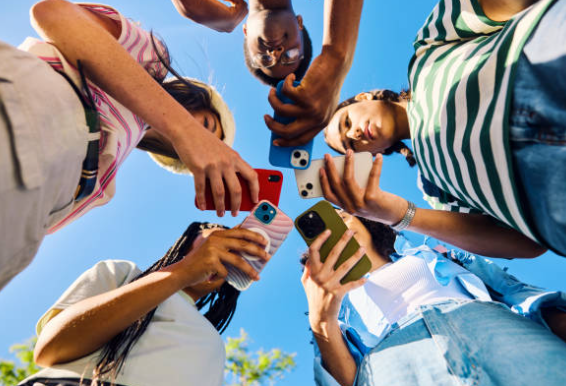
C. The Mobile Revolution: Smartphones changed everything. You didn’t need a computer. Your social world was in your pocket. Apps like Instagram, Snapchat, and TikTok made sharing fast and visual. Stories, reels, short videos — quick, eye-catching, and viral. People even used tools like Instagram Story Viewer to check stories quietly. That shows how much daily habits have shifted. The popularity of such utilities, often referred to generically as an Instagram Story Viewer, highlights a critical tension: the desire for consumption without the obligation of public engagement or leaving a digital trace.
D. Core Change: From One-Way to Many-Way. The biggest shift? Before, it was one sender → many receivers. Now it’s many senders → many receivers. Millions of people talk at the same time. They reply, share, remix, and comment. Communication became a global conversation.
The Fundamental Shifts in Personal Communication
A. Bridging Distance and Maintaining Relationships: Family across oceans? A video call fixes that. Old friends? A quick “like” keeps the bond alive. Social media lets people maintain large circles. Strong ties and weak ties. You don’t lose touch as easily.
B. Everyday Talk and Habits We no longer “wait” to share news. A photo, emoji, or video goes out instantly. Even big moments — birthdays, proposals, graduations — live online as much as in real life. And casual talk? Memes, GIFs, and voice notes often replace full conversations.
C. Public and Private Blendin.g Before, conversations were private. Now, much is public by default. A post meant for friends may go viral. A comment may be read by strangers. The line between “chat” and “broadcast” is thin, and tools like an Instagram Story Viewer allow users to deliberately skirt the public engagement mechanics designed by the apps.
D. The Transformation of Language and Tone
Beyond what we say, social media drastically changed how we say it. The constraint of character limits (like X’s original 140-character limit) and the need for speed fostered a new linguistic shorthand. Brevity became a virtue. Acronyms, initialisms, and internet slang permeated mainstream language, often speeding up communication but occasionally eroding clarity for those outside the conversation.
The rise of the emoji is the perfect symbol of this shift. Emojis and reaction GIFs have evolved from simple decoration into essential linguistic tools that convey tone, emotion, and subtle context that plain text often misses. They serve as necessary emotional placeholders, compensating for the lack of body language and vocal inflection present in face-to-face talk, making online communication faster, more expressive, and highly visual.
Societal Impact: The New Public Sphere and Digital Citizenship
Social media is no longer just a tool for personal connection; the individual Platforms have reshaped the foundations of societal organization, democracy, and global culture.
A. The Reshaping of Political Discourse and Democracy
Social media has decentralized the news, giving politicians direct, unfiltered access to constituents. While this breaks down traditional media gatekeepers, it also facilitates the creation of “echo chambers.” Algorithms prioritize content that confirms a user’s existing beliefs, leading to political polarization. Differences are exaggerated, and individuals become less exposed to opposing viewpoints, making reasoned public debate far more challenging. Furthermore, the speed and anonymity of these platforms have been exploited for sophisticated disinformation campaigns designed to influence elections and sow public distrust, adding critical complexity to civic life.
B. Cultural Virality and Trend Acceleration
The speed at which a trend moves globally is unprecedented. A dance challenge, a new song, or a niche aesthetic can become a global phenomenon in mere hours. Platforms like TikTok have democratized culture creation, allowing anyone to start a trend, bypassing traditional cultural institutions like record labels and film studios. This acceleration of cultural cycles means society, particularly younger generations, lives in a constant state of rapid cultural consumption and transformation, fundamentally changing how communities form around shared interests.
The Economic Engine: Commerce and the Creator Economy
Social platforms evolved from places to share photos into the world’s most powerful marketplaces and media outlets, creating entirely new economic structures.
A. The Birth of the Influencer Economy
The concept of a celebrity has been decentralized. Instead of relying on Hollywood or large networks, individuals can build massive, loyal audiences around niche expertise or relatable personalities. These influencers—from mega-stars to micro-influencers—act as trusted communication channels between brands and consumers. This new economic model prioritizes authenticity and direct engagement, effectively replacing traditional broadcast advertising with personalized, integrated content marketing. Brands now rely heavily on this ecosystem for their outreach, fundamentally changing the landscape of marketing communication.
B. Social Shopping and E-commerce Integration
Communication on social media is increasingly transactional. Platforms have integrated e-commerce features directly into feeds, stories, and live video streams. Users can move from seeing a product post to completing a purchase without ever leaving the app. This blend of instant visual communication and frictionless commerce means shopping has become an active, social experience. “Live commerce,” where influencers host video broadcasts to sell products in real-time, mimics the intimacy of in-person retail while achieving massive global reach.
The Darker Side: Mental Health and Digital Well-being
While social media excels at connection, its constant presence presents significant psychological challenges that compound the initial issues of overload and privacy.
A. The Pressure of Performance and Comparison Culture
Social media feeds are often curated “highlight reels,” showing only the best moments, successes, and aesthetically perfect versions of people’s lives. This relentless exposure fosters an unhealthy comparison culture. Users often experience feelings of inadequacy, anxiety, and FOMO (Fear of Missing Out) when their ordinary lives are measured against the polished, aspirational content of others. This passive consumption is sometimes facilitated by methods, such as an Instagram Story Viewer, that allow continuous observation without leaving a digital trace, further fueling the cycle of comparison.
B. Designed for Addiction: The Dopamine Loop
The platforms are intentionally designed to maximize user attention and time, employing psychological principles to keep users scrolling. Features like the “pull-to-refresh” mechanism, unpredictable rewards (likes, comments), and infinite scrolling function as subtle yet powerful behavioral triggers. This can lead to genuine digital addiction, where the brain’s reward centers are constantly stimulated, making it difficult for users to focus, rest, or engage fully with real-world, non-digital interactions, further complicating the benefits of connection.
The Future of Social Communication: AI, VR, and Digital Literacy
The tools keep changing. AI, virtual reality, and augmented reality may bring even deeper ways to interact. Imagine speaking to a lifelike avatar of your friend across the world. Or holding meetings in a digital space. But with progress comes risk. Will our data stay safe? Will communication feel more human, or less? One thing is sure: the way we talk will keep evolving.
A. Navigating the Age of Advanced AI and Deepfakes
The future of communication will be heavily influenced by advancements in Artificial Intelligence. AI already powers the recommendation algorithms, but it is rapidly moving into content creation. While generative AI tools promise new forms of creativity and connection, they also introduce the profound risk of deepfakes—highly realistic synthetic media (video and audio) that make it nearly impossible to distinguish between genuine and fabricated content. The ability to trust what we see and hear online will be severely tested, making critical digital literacy the single most vital skill for future users.
B. The Need for Regulation and Ethical Governance
As social platforms grow into critical global infrastructure, the pressure for ethical governance and regulatory oversight increases. Key challenges include:
- Data Privacy: How to protect massive amounts of user data while maintaining the personalized experiences users expect.
- Content Moderation: Balancing the right to free expression against the need to curb harmful content, hate speech, and platform manipulation.
- Algorithmic Transparency: Requiring platforms to reveal how their algorithms prioritize and distribute content to prevent unfair political or economic advantage.
Conclusion
From letters to TikTok, the journey is huge. Social media gave us global connection, fast talk, and shared spaces. It also brought noise, overload, and new worries. As social Platforms continue to evolve, the story is still being written. Social media will continue to shape how we connect, for better and for worse.