
Introduction
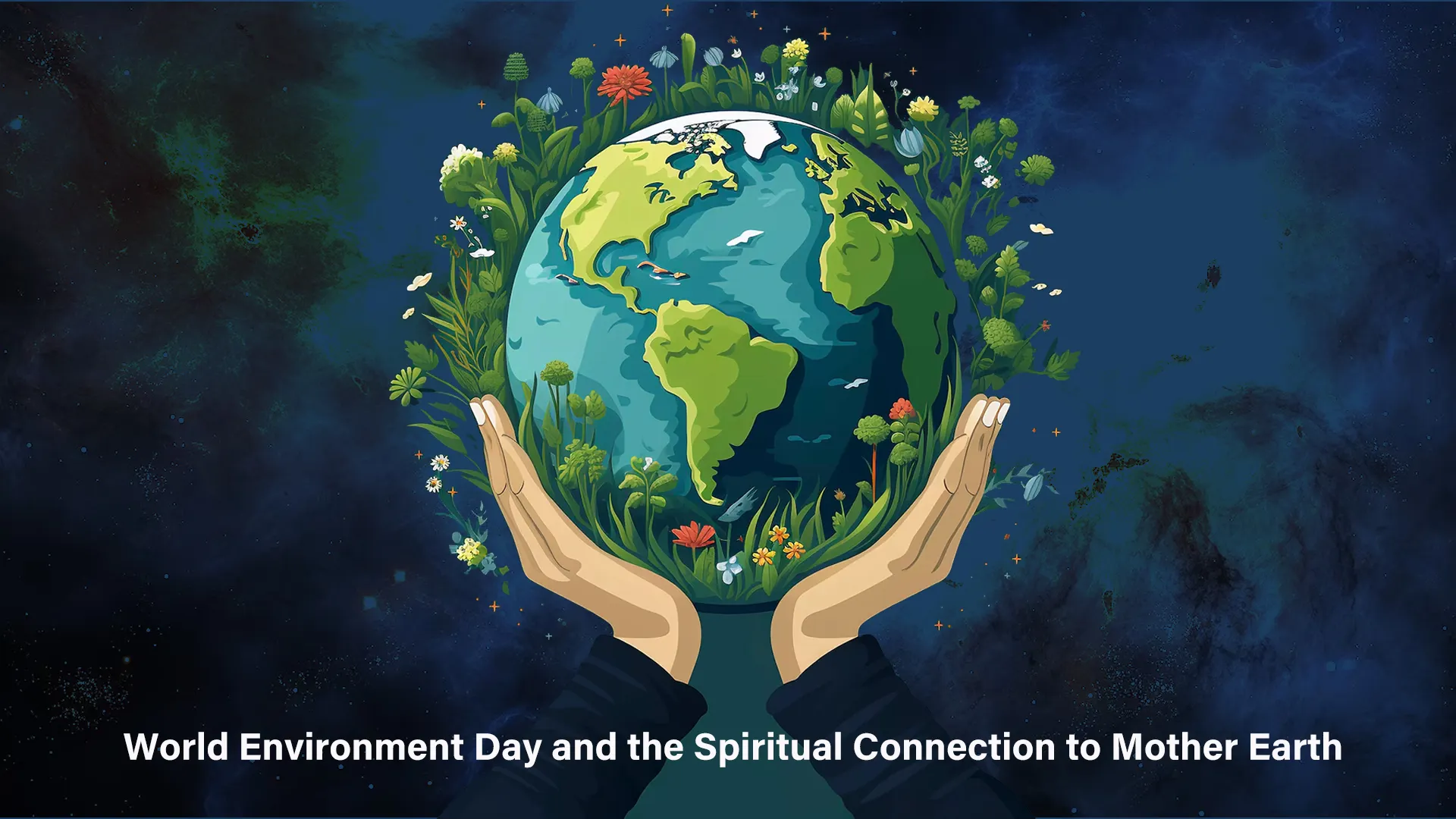
In today’s rapidly changing world, The Earth Connection symbolizes the intricate relationship between humans and the planet we call home. This connection is not just physical; it is emotional, spiritual, and technological. From ancient philosophies that revered Earth as a living entity to modern science using satellites and digital models to monitor its health, our bond with the planet is undeniable. Many people find peace and healing by simply walking barefoot on the ground, while scientists develop cutting-edge technologies to understand climate change and biodiversity.
At the same time, global frameworks stress the need to live within Earth’s ecological boundaries to ensure a sustainable future for all. This article explores these dimensions—spiritual, scientific, and practical—offering insights into how reconnecting with Earth can transform our lives and protect our planet for generations to come.
1. Earth as a Living System: Gaia and Beyond
The idea that Earth functions as a living system is not new. The Gaia hypothesis, introduced by scientist James Lovelock, suggests that Earth behaves like a self-regulating organism. Its atmosphere, oceans, soil, and life forms interact in ways that maintain the conditions necessary for life. This holistic perspective emphasizes that humans are not separate from nature but deeply embedded within it.
Ancient traditions have long embraced similar ideas. Many cultures believe in Anima Mundi, the world soul, reflecting the interconnectedness of all life. Today, these spiritual views are echoed in integral ecology, which blends science, ethics, and spirituality. This approach encourages us to see environmental issues not just as scientific problems, but as moral and cultural challenges.
Recognizing Earth as a living system helps us understand why caring for the planet is essential. It is not merely about conservation—it’s about respecting the balance that sustains all life.
2. Physical Grounding: The Practice of Earthing
One of the simplest ways to strengthen our connection with Earth is through earthing, also known as grounding. This practice involves direct physical contact with the ground, such as walking barefoot on grass, soil, or sand. Advocates believe that by doing so, we absorb Earth’s natural electrical charge, which may help restore physiological balance.
Research suggests that earthing may reduce inflammation, improve sleep, and lower stress levels, though more studies are needed for definitive conclusions. Beyond potential health benefits, grounding provides psychological relief in an age dominated by screens and artificial environments. Simply spending time outdoors—feeling the texture of the soil, listening to birds, breathing fresh air—can enhance well-being and reduce anxiety.
Practical tips include taking regular barefoot walks in safe natural settings or using grounding mats indoors when direct contact isn’t possible. Such simple practices can renew our sense of calm and belonging to the planet.
3. The Modern Connection: Earth Observation and Technolog
In addition to physical and spiritual bonds, our connection to Earth now extends into the digital realm. Earth observation technologies—including satellites, drones, and ground sensors—allow scientists to monitor changes in the environment with unprecedented precision. These tools track climate patterns, deforestation, water resources, and even urban growth.
Modern innovations such as digital Earth twins create interactive models of the planet, enabling researchers and policymakers to simulate scenarios like climate change impacts or disaster response strategies. By combining massive datasets into accessible formats, these systems help governments, businesses, and communities make informed decisions about resource management and sustainability.
The Earth observation market is growing rapidly, as these technologies support climate adaptation, agriculture, and environmental protection. In essence, technology has given us a new way to stay connected to our planet—not just emotionally or spiritually, but through real-time data that informs action.
4. Living Within Planetary Limits
While technology provides valuable insights, it also highlights an urgent truth: Earth has limits. Scientists define these thresholds as Earth system boundaries, which include climate stability, freshwater availability, biodiversity, and nutrient cycles. Crossing these boundaries can destabilize the planet’s life-support systems.
Unfortunately, several boundaries have already been breached, leading to biodiversity loss, climate disruptions, and resource scarcity. These changes often hit vulnerable communities the hardest, raising issues of environmental justice. Addressing these challenges requires a safe and just operating space—a framework that balances ecological health with human well-being.
Staying within these limits means reducing emissions, conserving ecosystems, and adopting sustainable lifestyles. It’s not just a scientific necessity but a moral responsibility. Protecting Earth’s systems ensures stability for all life, including future generations.
5. Bridging Science, Spirituality, and Action
The Earth Connection is strongest when it unites different dimensions—science, spirituality, and everyday practice. This integration allows us to approach environmental challenges with both rational solutions and a sense of meaning.
On a personal level, grounding exercises, eco-meditation, and nature walks can foster mindfulness and resilience. Community actions—such as participating in local cleanups or citizen science projects—build collective responsibility. At the policy and technological level, investing in Earth observation systems, supporting renewable energy, and promoting fair climate policies are crucial steps.
Ultimately, this bond is about trust and stewardship. Technology must be transparent and inclusive; spirituality should inspire care rather than complacency. When science and ethics work together, we can create a sustainable and equitable future—one where humanity thrives in harmony with Earth.
Write for Us at AreYouFashion – Fashion Guest Post Guide
Conclusion
The Earth Connection is more than a concept—it is a lived reality that shapes our health, culture, and survival. From ancient wisdom that honors Earth as sacred, to modern tools that decode its complex systems, every perspective points to the same truth: our lives are inseparable from the planet. Reconnecting with Earth—through mindful practices, community engagement, and technology—offers a path to balance and resilience.
As we face global challenges like climate change and biodiversity loss, this connection becomes not only meaningful but necessary. By living within Earth’s limits and embracing both science and spirituality, we can safeguard our common home. Let this connection inspire us—not as passive observers, but as active caretakers—so that future generations inherit a thriving, living planet.
FAQs
- What does “The Earth Connection” mean?
It refers to the deep interrelationship between humans and the planet, spanning spiritual, physical, ecological, and technological aspects. - Does walking barefoot on the ground have health benefits?
Yes, grounding or earthing may reduce stress, improve sleep, and enhance overall well-being, though scientific research is still ongoing. - What are planetary boundaries and why are they important?
They are environmental thresholds that maintain Earth’s stability. Crossing them risks climate instability, biodiversity loss, and resource crises. - How do modern technologies help us connect with Earth?
Tools like satellites and digital Earth twins allow real-time monitoring of environmental changes, supporting sustainable planning and disaster management. - Can spirituality and science work together for Earth’s protection?
Yes. Spiritual values inspire care for nature, while science provides the knowledge and tools to implement effective solutions for sustainability.