
Introduction
Drilling is one of the most fundamental processes in industries ranging from construction to energy and advanced manufacturing. Whether it’s deep drilling for oil and gas, tunnel excavation through solid rock, or precision machining of delicate components, standard gear solutions often fall short. That’s where the special drilling gearbox comes into play.
A special drilling gearbox is not just a mechanical add-on; it is a carefully engineered power transmission system tailored to meet extreme demands. Designed to handle high torque, variable speeds, and challenging conditions, these gearboxes enable drilling systems to achieve accuracy, safety, and durability.
In this article, you’ll discover what a special drilling gearbox is, how it works, the different types available, and the industries that rely on it. We’ll also explore the benefits, challenges, selection criteria, and maintenance practices that ensure reliability. Finally, we’ll answer the most common questions asked about special drilling gearboxes.
What Is a Special Drilling Gearbox?
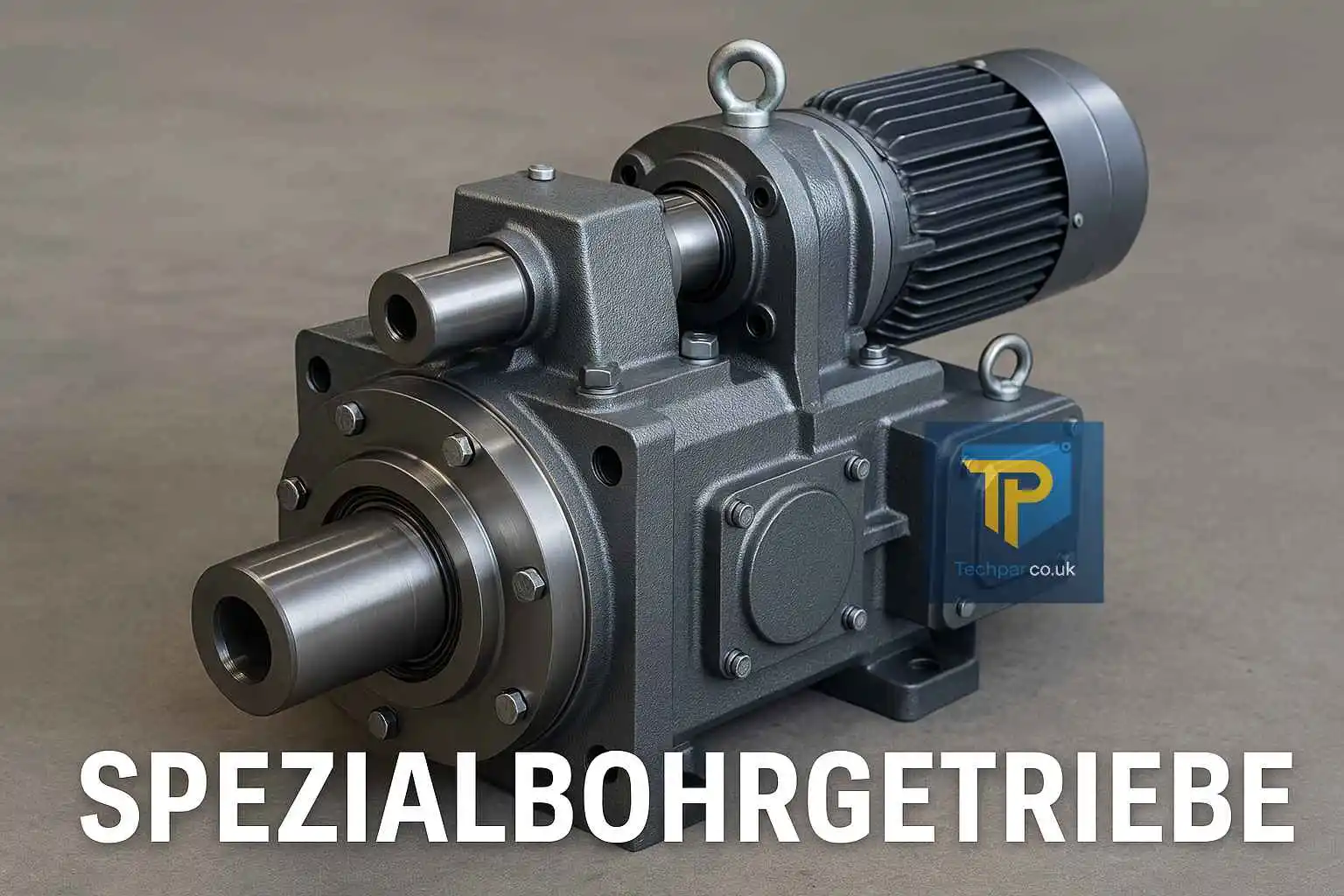
A special drilling gearbox is a customized transmission system engineered specifically for drilling applications. Unlike standard gearboxes, which are built for general use, these units are tailored to optimize torque, speed, and stability under demanding conditions.
Key Features of a Special Drilling Gearbox
- High load capacity – built to transmit extreme forces and torque.
- Precision – minimal backlash ensures accurate drilling.
- Flexibility – adaptable gear ratios to suit different drilling tasks.
- Durability – resistant to heat, vibration, and heavy wear.
- Custom design – made to integrate seamlessly with specialized machines.
Put simply, this gearbox makes precise and reliable drilling possible in environments where conventional systems would fail.
Structure and Working Principle
A special drilling gearbox transfers motor power (electric, hydraulic, or pneumatic) to the drill head while converting speed and torque for optimal performance.
Common Gearbox Types Used in Drilling
- Planetary gearboxes – compact, powerful, and ideal for high torque applications.
- Helical gearboxes – quiet operation and smooth performance, reducing vibration.
- Bevel gearboxes – allow changes in power direction, essential for angled drilling.
- Hybrid solutions – combinations of planetary, helical, or bevel gears for complex needs.
How It Works
- The motor drives the input shaft.
- The gearbox converts speed and torque to match drilling requirements.
- Power is transmitted through gears, bearings, and shafts.
- The drill head receives optimized force for cutting through material.
- Lubrication and cooling systems ensure smooth operation and longevity.
Applications of Special Drilling Gearboxes
Special drilling gearboxes are critical across industries where high precision and durability are required.
- Oil and Gas – Deep well drilling under extreme temperatures and pressures.
- Mining and Tunneling – Large-scale drilling through hard rock and varying geology.
- Machine Building and Toolmaking – Precision drilling for aerospace, automotive, and medical industries.
- Construction and Geotechnical Engineering – Foundation drilling, soil sampling, and well construction.
- Offshore and Subsea Operations – Corrosion-resistant systems for underwater drilling environments.
In each of these fields, the gearbox is the backbone of reliable drilling operations.
Benefits of Using Special Drilling Gearboxes
Investing in a high-quality special drilling gearbox brings several advantages:
- Enhanced precision – consistent, accurate drilling with minimal errors.
- Longer lifespan – made from robust materials with advanced surface treatments.
- Improved efficiency – reduced energy losses and optimized torque delivery.
- Lower downtime – resilient construction means fewer unexpected failures.
- Adaptability – custom solutions fit seamlessly into different systems.
- Cost savings – higher upfront investment, but lower long-term operating costs.
Selection Criteria for the Right Gearbox
Choosing the right gearbox is crucial for performance and reliability.
Factors to Consider
- Torque requirements – maximum and continuous loads.
- Speed range – does it need variable or fixed speed control?
- Load profile – continuous, cyclic, or fluctuating stresses.
- Installation geometry – straight, angled, or multi-axis alignment.
- Environmental conditions – heat, moisture, dust, or corrosive elements.
- Service and maintenance – availability of spare parts and technical support.
- Total lifecycle cost – beyond purchase price, consider energy use and repairs.
A careful assessment of these aspects ensures a gearbox that delivers performance and durability.
Challenges and Limitations
Despite their advantages, special drilling gearboxes also present challenges:
- High initial cost – customization and precision manufacturing are expensive.
- Complexity – requires significant design and engineering expertise.
- Maintenance needs – high loads demand regular inspections.
- Limited spare part availability – custom parts may have longer lead times.
- Retrofit issues – integration into older machines can be complicated.
Maintenance and Care
Proper maintenance ensures a long service life and consistent performance.
- Regular lubrication – the right oil or grease minimizes wear.
- Temperature monitoring – prevents overheating damage.
- Vibration analysis – detects early signs of gear or bearing wear.
- Scheduled inspections – follow manufacturer guidelines.
- Record keeping – track performance and service history for predictive maintenance.
Read More: Lisrctawler: Smart AI Crawler and Data Automation Tool
Conclusion
The special drilling gearbox is a cornerstone of modern drilling technology. It combines strength, precision, and adaptability, making it indispensable in industries ranging from mining and oil exploration to advanced manufacturing and geotechnical engineering. By transforming motor power into the exact torque and speed required, it allows drilling machines to perform under conditions where standard gearboxes would fail.
While these gearboxes demand a higher upfront investment and careful selection, the long-term benefits—higher efficiency, fewer breakdowns, and greater accuracy—make them an essential component of high-performance drilling systems. Choosing the right gearbox requires analyzing torque, load, environmental conditions, and service availability. With proper maintenance, a special drilling gearbox can deliver reliable service over many years.
In short, investing in a well-designed special drilling gearbox is investing in the safety, productivity, and future of your drilling operations.
FAQs
1. What is a special drilling gearbox?
A custom-designed gearbox optimized for drilling applications, providing high torque, precision, and reliability under demanding conditions.
2. How is it different from a standard gearbox?
Unlike general-purpose gearboxes, it offers minimal backlash, higher durability, and tailored performance for specific drilling tasks.
3. Where are special drilling gearboxes used?
They are used in oil and gas drilling, mining, tunneling, construction, geotechnical studies, and precision manufacturing.
4. How do I choose the right special drilling gearbox?
By considering torque needs, speed ranges, load types, installation layout, environmental conditions, and maintenance requirements.
5. How do you maintain a special drilling gearbox?
Through regular lubrication, temperature and vibration monitoring, scheduled inspections, and keeping detailed maintenance records.