
Introduction
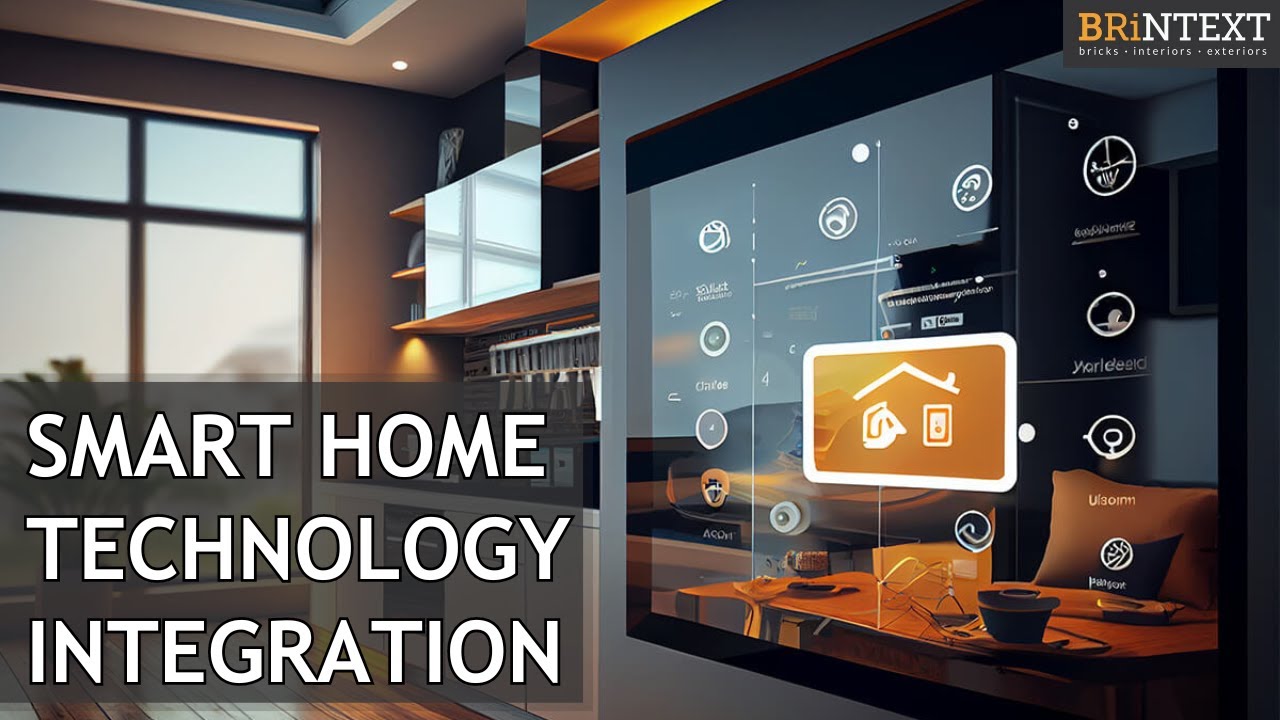
Home decor is no longer only about looks. In today’s connected world, design and technology work together to create smart, adaptive, and stylish living spaces. This is the essence of Smart Home DecorTech — a blend of interior design and intelligent devices that make homes not only beautiful but also efficient, safe, and comfortable.
This article explores what Smart DecorTech is, why it matters, and how you can design your home step by step. We’ll also look at future trends, practical examples, challenges, and answers to the most common questions people ask. By the end, you’ll have a clear guide to building a smart home that feels natural, stylish, and personalized to your lifestyle.
What is Smart Home DecorTech?
Smart Home DecorTech is the art of weaving technology into the design of your home. It’s not about filling rooms with gadgets — it’s about blending function and aesthetics so that technology supports your lifestyle without disrupting your decor.
- IoT backbone: Devices like smart lights, thermostats, speakers, and sensors connect to create seamless experiences.
- Design-first approach: Devices are integrated into walls, ceilings, or furniture, often invisible to the eye.
- Personalized experience: The system adapts to routines, moods, and even weather conditions.
- Interoperability: Standards like Matter allow devices from different brands to work together smoothly.
The goal is simple: create spaces that are responsive, comfortable, and visually harmonious.
Why Smart DecorTech Matters
1. Aesthetic Harmony
Modern smart devices are sleek and often hidden. Lighting strips, recessed speakers, and motorized blinds blend naturally with interiors.
2. Comfort and Convenience
Automation eliminates small hassles. Lights can dim when evening falls, blinds can close at sunset, and the thermostat can preheat your bedroom before you wake up.
3. Energy Efficiency
Smart systems reduce waste by adjusting heating, cooling, and lighting based on occupancy and time of day. This helps both your wallet and the planet.
4. Safety and Security
Smart locks, cameras, sensors, and alarms keep your home safe while being designed to look unobtrusive.
5. Future-Proofing
Flexible smart design means you can reconfigure rooms or upgrade technology without redesigning the entire home.
How to Design Smart Home DecorTech
Designing a smart home is a step-by-step process. Here’s a practical roadmap:
Step 1: Understand Your Lifestyle
Start with your needs. Map out daily routines: when you wake, how you use each room, pain points like “the living room feels too dark” or “the kitchen gets too hot.” Smart solutions should serve real problems.
Step 2: Choose an Ecosystem
Pick a central hub — voice assistant, app, or custom dashboard. Ensure devices are compatible and can scale with future upgrades.
Step 3: Focus on Key Areas First
You don’t need everything at once. Start with the most impactful areas:
- Lighting (dimming, colors, mood scenes)
- Climate control (thermostats, fans, AC)
- Window treatments (motorized blinds)
- Security systems (locks, cameras, alarms)
- Smart furniture (tables with charging ports, mirrors with displays)
Step 4: Plan Design and Integration
Smart devices should be part of the architecture. Hide wiring in walls, embed lighting into ceilings, and use custom cabinetry to conceal speakers or hubs.
Step 5: Hide and Disguise Devices
Tech should blend into decor. Place sensors behind furniture, disguise screens as art, and use minimalistic hardware finishes that match your interior style.
Step 6: Create Scenes and Automations
Instead of controlling each device manually, set up “scenes.” For example:
- Movie Night: Lights dim, blinds close, sound system activates.
- Morning Wake-Up: Lights brighten gradually, blinds open, coffee machine starts.
Step 7: Use AI and Learning Features
Modern systems can learn your habits. They predict when you’ll need lights, adjust temperatures before you notice discomfort, and reduce manual inputs.
Step 8: Prioritize Security and Privacy
Protect your smart home with strong passwords, encrypted networks, and regular updates. Always keep manual control options as a backup.
Step 9: Test and Refine
Once installed, test automations with all family members. Adjust brightness, timings, and notifications until they feel natural.
Step 10: Expand Gradually
Begin small, then grow. Add new rooms and devices over time to avoid overwhelm and ensure smooth integration.
Real-Life Inspirations
- Invisible Speakers: Flush-mounted speakers hidden in walls create immersive sound without clutter.
- Smart Mirrors: They look like regular mirrors but display weather, news, or health data.
- Convertible Living Rooms: Furniture moves and lights adjust to transform the same room into a theater, office, or lounge.
- Mood-Driven Scenes: Custom lighting and music for parties, meditation, or study time.
- Climate-Adaptive Homes: Smart thermostats manage each room independently for energy efficiency.
Future Trends in Smart DecorTech
- Voice and Context Awareness: Assistants will handle more natural conversations and multi-step commands.
- Smart Furniture and Surfaces: Tables, rugs, and textiles will include sensors, charging, and interactive features.
- Universal Compatibility: Standards like Matter will allow any brand’s devices to work together.
- Biophilic Tech: Integration of natural elements — plants, wood, stone — with hidden smart sensors.
- AI-Driven Personalization: Homes that anticipate your mood, schedule, and comfort preferences automatically.
- Wellness Integration: Air quality monitors, circadian lighting, and sleep tracking built into decor.
- Sustainability Focus: Smart homes supporting solar energy, efficient appliances, and eco-friendly materials.
Challenges and Best Practices
| Challenge | Problem | Solution |
|---|---|---|
| Security | Risk of hacking or data leaks | Use encryption, strong passwords, and updates |
| Compatibility | Devices may not work together | Choose open standards and modular systems |
| Over-Gadgeting | Buying tech you won’t use | Focus on real needs, not hype |
| Aesthetic Clash | Gadgets ruin the design | Hide, disguise, or choose stylish options |
| Maintenance | Tech becomes outdated quickly | Select replaceable modules and upgrade gradually |
| Complexity | Family struggles with controls | Use simple apps, voice commands, and fallback switches |
Conclusion
Smart Home DecorTech is where design meets intelligence. When done right, it creates spaces that look beautiful, feel comfortable, and respond to your lifestyle automatically. The key is to start with your needs, not gadgets. Choose devices and ecosystems that integrate seamlessly with your decor. Hide technology behind walls or furniture, create intuitive scenes, and let automation reduce daily effort.
As we move into 2025 and beyond, expect homes to become more personalized, more natural, and more sustainable. From invisible tech to AI-driven learning, smart decor is not a luxury anymore — it’s the future of modern living. Done thoughtfully, it transforms a house into a living environment that is stylish, secure, efficient, and uniquely yours.
Read More; Art ThunderOnTheGulf Crafts: A Celebration of Coastal
FAQs
1. What is smart home decor tech?
It’s the integration of smart devices like lighting, climate control, and security into the design of your home so they enhance style and comfort without clutter.
2. How do I design smart decor that looks stylish?
Conceal tech in furniture, walls, or behind art. Use devices with minimalist finishes and ensure they match your interior design palette.
3. Which rooms should I start with?
Start with high-use spaces: the living room for lighting and sound, the bedroom for comfort, the kitchen for appliances, and the entryway for security.
4. Are smart homes secure?
Yes, if properly managed. Use strong passwords, secure networks, two-factor authentication, and keep devices updated.
5. Can I expand my smart decor system later?
Absolutely. Modular, open-standard systems allow gradual upgrades without redesigning your entire home.