
Introduction
In 2025, Thailand’s retail and food service industries are undergoing a major digital transformation, led by the growing adoption of self-ordering systems. From busy street food kiosks to high-end malls, customers are increasingly able to order products and meals on their own—via kiosks, tablets, or smartphones—without needing staff to take their orders. This change improves speed, accuracy, and overall customer satisfaction while also helping businesses manage costs and operations more effectively.
This article explores how self-ordering systems in Thailand are being implemented across different industries, the technology behind them, the benefits for both consumers and businesses, key providers in the Thai market, and what the future holds. Whether you’re a business owner looking to adopt this technology, or a consumer curious about what’s changing behind the counter, this guide will offer valuable insights.
1. What is a Self-Ordering System? 📲
A self-ordering system is a digital platform that allows customers to select, customize, and pay for products or services without direct staff interaction. It is commonly used in restaurants, cafes, food courts, and even retail stores.
Key Forms of Self-Ordering in Thailand:
- Kiosks: Touchscreen terminals at the store entrance or service area.
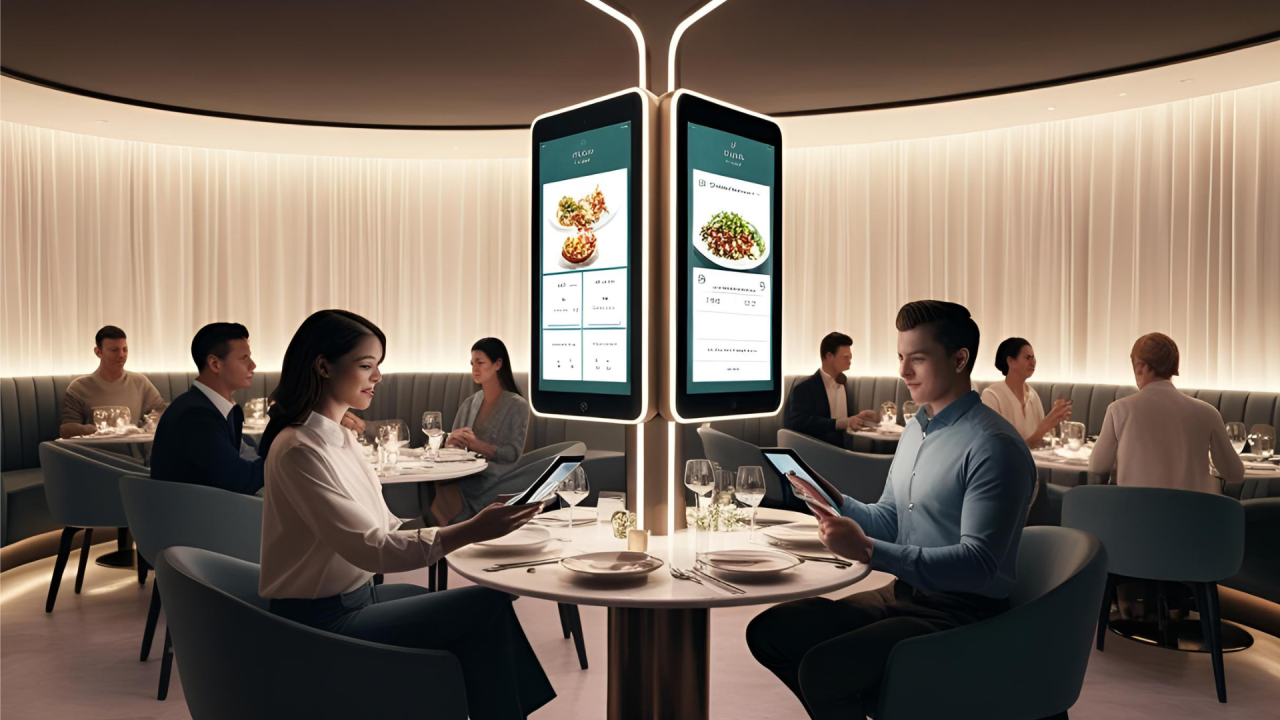
- Table Tablets: Installed at tables for dine-in customers to order directly.
- QR Code Ordering: Scanning a QR code on a menu or table and placing an order through a mobile phone.
These systems are typically integrated with POS (Point-of-Sale), kitchen display systems, and payment gateways like PromptPay, QR Payment, and E-wallets.
2. Benefits for Customers 🌟
Self-ordering technology is designed to make the customer journey smoother and more satisfying. In Thailand’s fast-paced service environments, the benefits are substantial:
✅ Faster Service
Customers don’t have to wait for staff to take orders—especially helpful during peak hours.
✅ Fewer Errors
With visual menus and item modifiers, customers input their exact preferences, reducing communication mistakes.
✅ Greater Control
Users can explore the menu at their own pace, review allergens, and customize meals more freely.
✅ Multilingual Support
Many systems in Thailand offer English, Thai, and even Chinese interfaces, making them tourist-friendly.
✅ Contactless Experience
Important in a post-COVID world—contactless ordering and payment provide a safer, more hygienic environment.
3. Business Advantages 💼
For Thai business owners, especially in the food and retail sectors, self-ordering systems offer both cost savings and revenue-boosting features.
🔹 Reduced Labor Costs
Fewer front-of-house staff are needed, and existing staff can focus on food prep, customer service, or delivery.
🔹 Increased Average Order Value
Smart systems upsell additional items like drinks or desserts during the order process—automatically increasing ticket size.
🔹 Real-Time Analytics
Orders, customer behavior, and peak time data are captured and can be used for stock planning and promotions.
🔹 Improved Customer Retention
Loyalty programs and personalized recommendations encourage return visits.
4. Leading Self-Ordering Providers in Thailand 🇹🇭
Here are some of the most trusted and widely adopted self-ordering systems in Thailand in 2025:
🟢 Qashier
- Focus: QR Code ordering + POS system
- Highlights: Low-cost solution starting at ฿199/month. Ideal for cafes and small restaurants.
- Strength: Seamless mobile ordering and payment. Easy to set up.
🟢 SilomPOS
- Focus: Restaurant POS with QR Menu and ordering system
- Highlights: Supports multimedia menus, analytics dashboard, and payment integration with PromptPay and major banks.
- Strength: Scalable for larger restaurants or chains.
🟢 Papaya
- Focus: All-in-one ordering + digital queueing
- Highlights: Works in both quick-service and casual dining. Real-time kitchen integration.
- User Feedback: Businesses report fewer service delays and higher throughput.
🟢 MYPOS / Easy Kiosk / iMakan
- Focus: Physical self-service kiosks with touchscreens
- Highlights: Often used in malls or food courts. Hardware includes printers, large displays, and payment terminals.
- Strength: Suitable for mid- to large-sized operations or franchises.
5. Choosing the Right System for Your Business 🎯
Not all self-ordering systems are created equal. Here’s a table to help match business types with system formats:
| Business Type | Recommended Solution |
|---|---|
| Small Cafes / Food Stalls | QR Code (Qashier, SilomPOS) |
| Medium Restaurants | Table Tablet (Papaya) |
| Large Chain or Food Court | Kiosk (MYPOS, iMakan) |
Evaluation Criteria:
- Budget: QR-based systems are more affordable; kiosks require upfront hardware investment.
- Customer Volume: High-traffic areas benefit from kiosks with fast throughput.
- Integration Needs: Choose a system that works with your current POS and kitchen management.
- Features: Consider if you need upselling, CRM tools, language support, or loyalty programs.
6. Future Trends in Self-Ordering Systems 🔮
Thailand’s self-ordering industry is evolving rapidly. Key trends to watch include:
🔸 AI-Powered Recommendations
Machine learning will soon help systems suggest items based on previous customer behavior, weather, or time of day.
🔸 Augmented Reality (AR)
Some high-end systems will allow users to visualize 3D models of food before ordering.
🔸 Voice Ordering
Voice-activated systems in Thai and English may offer a faster, hands-free experience.
🔸 Integration with Delivery Platforms
Self-ordering systems will connect directly to Grab, LINE MAN, and Robinhood for seamless ordering and delivery management.
🔸 Mobile-First Focus
Expect to see systems prioritize smartphone-based ordering over in-store hardware, especially in budget-conscious markets.
7. Case Studies: How Thai Businesses Use It 🧪
Example 1: Local Thai BBQ Chain (Kim Jeong Grill)
After adopting Papaya, the business cut queue times by 30% and saw a 15% increase in average order size through effective upselling features.
Example 2: Street Food Vendor in Bangkok
Using Qashier’s QR system, the vendor was able to manage more walk-in traffic without hiring extra staff. PromptPay integration made payments instant and secure.
Example 3: Mall Food Court (Bangkok)
iMakan kiosks helped centralize ordering across multiple stalls, reduced human errors, and allowed real-time data tracking for each brand.
FAQs
1. What is a self-ordering system in restaurants?
A self-ordering system allows customers to view the menu, customize items, and place orders digitally—without interacting with a server. Orders are sent directly to the kitchen or POS system.
2. Is a self-ordering system expensive to implement in Thailand?
Not necessarily. QR-based solutions like Qashier start as low as ฿199/month. Kiosk systems can cost more upfront but are ideal for larger operations.
3. How do self-ordering kiosks work?
Customers use a touchscreen to select menu items, add modifiers, and pay through various methods (PromptPay, card, e-wallet). The order is then processed automatically.
4. Can tourists use self-ordering systems in Thailand?
Yes. Most systems support multiple languages, including English and Chinese, to accommodate foreign visitors.
5. What kind of payments are supported by Thai self-ordering systems?
Common payment options include PromptPay, Thai QR codes, credit/debit cards, TrueMoney, Rabbit LINE Pay, and other digital wallets.
Nice1010 Fun: The Micro-Entertainment Trend You Can’t Miss
Conclusion
The rise of self-ordering systems in Thailand marks a major shift toward efficiency, personalization, and digital convenience. Businesses benefit from reduced staffing costs, increased order accuracy, and enhanced customer engagement. Meanwhile, consumers enjoy faster service and greater control over their ordering experience.
Whether you run a street stall or a major restaurant chain, adopting a self-ordering system—be it via QR codes, kiosks, or table tablets—can improve your bottom line and brand image. Leading platforms like Qashier, SilomPOS, and Papaya make it easier than ever to implement such systems affordably and effectively.
As the Thai market continues to embrace innovation, self-ordering will soon become the standard. The key to success lies in choosing the right solution for your size, goals, and audience.