Introduction
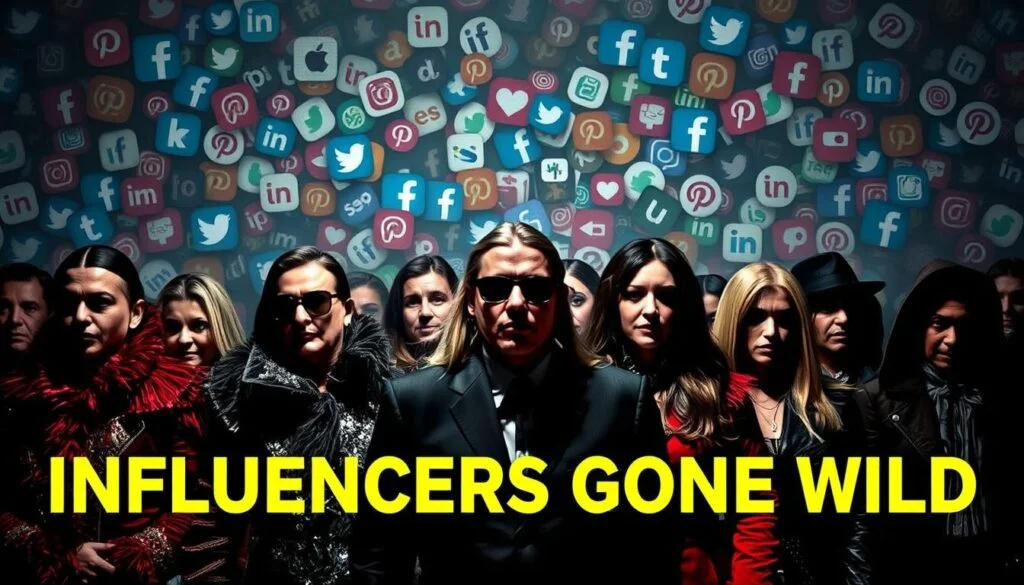
Social media influencers have revolutionized digital marketing, entertainment, and lifestyle trends. But with great influence comes great responsibility—something many fail to uphold. The phrase “Influencers Gone Wild” captures the dark side of influencer culture, where fame, money, and viral attention push creators to cross ethical, legal, and moral boundaries.
From outrageous stunts and misleading charity campaigns to exploitation and glamorizing harmful behavior, these controversies dominate headlines and spark global debates. Brands lose millions, fans feel betrayed, and creators face lawsuits, bans, or complete career destruction.
This article dives deep into the scandals that shocked the internet, explores the psychology behind these extreme behaviors, and explains their impact on the influencer economy. Most importantly, it provides practical lessons for influencers, brands, and audiences to ensure transparency, accountability, and sustainability in the digital world. Let’s uncover what happens when influencers go too far—and why it matters.
What Does “Influencers Gone Wild” Really Mean?
The term refers to incidents where influencers engage in extreme or unethical actions for attention, fame, or financial gain. These behaviors often include:
- Performing dangerous stunts for viral views
- Promoting fraudulent products or charity scams
- Exploiting sensitive issues or minors for engagement
- Glamorizing substance abuse or unhealthy lifestyles
- Breaking laws during travel or collaborations
While social media thrives on entertainment and relatability, the pressure to constantly stand out often drives influencers to create sensational content—sometimes at any cost.
Why Do Influencers Go Too Far?
The influencer economy is competitive. Millions of creators fight for visibility, brand deals, and audience loyalty. To stay relevant, some take shortcuts, resulting in risky or unethical choices. Key reasons include:
- Attention Economy Pressure: Platforms reward engagement. The more shocking the content, the higher the visibility.
- Financial Incentives: Paid promotions, sponsorship deals, and monetization create pressure to deliver “viral” results.
- Peer Comparison: Seeing others succeed with controversial content can push influencers to copy extreme trends.
- Blurred Lines Between Authenticity and Performance: Influencers are expected to be relatable yet entertaining, creating a constant struggle between reality and curated perfection.
Top Scandals of Influencers Gone Wild
1. Misleading Charity Campaigns
One of the most infamous cases involved top influencers promoting holiday products claiming profits would go to charity. Investigations revealed false advertising and profit-driven motives, resulting in heavy fines and legal trials. This case became a global example of why transparency in influencer marketing is essential.
2. Exploiting Children for Content
Family vloggers and kid influencers often walk a fine ethical line. Cases emerged where minors were subjected to long working hours, staged content, and even emotional or physical harm—all for monetized views. Documentaries have exposed these practices, leading to lawsuits and new regulations protecting child creators.
3. Wildlife Exploitation
In a widely criticized case, a travel influencer illegally took a wild animal for a photo shoot, sparking outrage and legal warnings. Such stunts not only endanger animals but also encourage irresponsible tourism among followers.
4. Glamorizing Substance Abuse
Several lifestyle influencers have been accused of portraying excessive partying, alcohol, and drug use as glamorous. This misrepresentation can harm impressionable audiences and promote dangerous behavior.
5. Fake Giveaways and Scams
Some influencers have run fake contests to increase followers and engagement. Victims often never receive promised prizes, damaging trust in influencer marketing as a whole.
The Consequences of Going Wild
Influencers who engage in reckless behavior face serious repercussions:
- Loss of Credibility: Followers quickly unfollow influencers caught in scandals, leading to plummeting engagement.
- Brand Withdrawals: Companies distance themselves from controversies to protect their reputation. Sponsorship contracts often include morality clauses that allow immediate termination.
- Legal Action: Fraud, misrepresentation, and illegal activities can result in lawsuits, criminal charges, and financial penalties.
- Platform Penalties: Content violations can lead to demonetization, shadow bans, or permanent account suspension.
- Mental Health Fallout: The stress of backlash and “cancel culture” often impacts influencers’ emotional well-being.
How Audiences and Regulators Respond
Public Reaction
Fans often feel betrayed when influencers fail to meet ethical expectations. Backlash includes mass unfollows, viral call-out campaigns, and public criticism. Cancel culture plays a major role in holding influencers accountable—but sometimes becomes toxic itself.
Regulatory Measures
Governments worldwide are tightening rules on influencer marketing. Mandatory disclosure of paid promotions, stricter child protection laws, and penalties for misleading advertising are now standard in many countries.
Platform Accountability
Social media platforms have updated policies to curb harmful behavior, including banning dangerous challenges, enforcing ad transparency, and demonetizing problematic creators.
Lessons for Influencers, Brands, and Audiences
| Stakeholder | Key Lessons |
|---|---|
| Influencers | Maintain transparency, follow advertising guidelines, prioritize safety, and consider long-term reputation over quick fame. |
| Brands | Vet influencers thoroughly before partnerships, monitor content for compliance, and respond quickly to scandals. |
| Audiences | Be critical of sensational content, check for ad disclosures, and support ethical creators. |
The Role of E-E-A-T in Influencer Content
Google prioritizes Experience, Expertise, Authoritativeness, and Trustworthiness in rankings. Influencers who produce credible, honest, and helpful content build long-term trust—not just with followers, but also with brands and algorithms. Misleading or harmful behavior not only risks credibility but also visibility on search engines and platforms.
Influencers Gone Wild: Impact on Society
The phenomenon isn’t just entertainment drama—it shapes consumer behavior, cultural norms, and youth aspirations. When influencers promote unrealistic lifestyles or harmful habits, audiences—especially young viewers—may normalize these actions. Conversely, influencers who admit mistakes and advocate for ethical practices can restore balance and trust in digital communities.
How to Avoid Becoming the Next Scandal
- Set Boundaries: Avoid dangerous stunts or unethical shortcuts for engagement.
- Stay Transparent: Disclose sponsorships, partnerships, and ads clearly.
- Protect Privacy: Never exploit minors or sensitive issues for views.
- Fact-Check Content: Avoid spreading misinformation for quick clicks.
- Think Long-Term: Virality fades, but reputation lasts.
Latest Online Tool Guide Zardgadjets: Your Complete 2025 Resource
Conclusion
The rise of influencer culture has transformed social media into a powerful business and communication tool. However, the “Influencers Gone Wild” trend exposes the dark reality behind fame-driven actions. Whether it’s fraud, exploitation, or dangerous stunts, such behavior erodes trust and damages the industry’s credibility.
Sustainability in the influencer world depends on ethics, transparency, and accountability. Creators must prioritize responsible content over quick fame, while brands and platforms should enforce strict compliance to protect consumers. Audiences also play a role by demanding honesty and supporting ethical influencers.
In an age where digital influence shapes trends, values, and purchasing decisions, the responsibility of content creators cannot be overstated. Going wild for views may deliver temporary attention—but integrity ensures lasting success.
FAQs
1. What does “influencers gone wild” mean?
It refers to influencers engaging in reckless, unethical, or illegal behavior to gain attention, such as scams, exploitation, or dangerous stunts.
2. Why do influencers take such extreme actions?
Competition, pressure to stay relevant, financial incentives, and the pursuit of viral fame often push influencers to cross boundaries.
3. Can influencers face legal consequences for bad behavior?
Yes. Many have faced lawsuits, fines, and even criminal charges for fraud, false advertising, or endangering others.
4. How do brands handle influencer scandals?
Brands typically cut ties immediately, cancel contracts, and issue public statements to protect their reputation.
5. What can followers do to avoid being misled by influencers?
Check for sponsorship disclosures, avoid engaging with sensational content, and support creators who promote honesty and ethical practices.