
Introduction
In March 2005, a tragic night in Florida turned into one of the most unforgettable and heartbreaking stories of resilience. At just five years old, Tia Skye Hernlen woke to the sound of gunshots in her family’s home. What followed shocked the world: her parents lay unresponsive, and with no one else to turn to, little Tia calmly dialed 911. Her composed voice as she told the dispatcher, “I think they’re dead,” became a moment frozen in history.
What stood out was not just the tragedy, but the extraordinary strength and clarity Tia displayed under unimaginable stress. She described the scene, spoke about her pets, and stayed on the call until help arrived. More than a crime story, this became a testament to human courage, resilience, and the importance of emergency response systems. This article revisits that fateful night, its aftermath, and the lasting impact of Tia Hernlen’s courage.
The Night That Changed Everything
In the early hours of March 28, 2005, five-year-old Tia Hernlen woke to terrifying sounds inside her home. The gunshots that echoed through her Florida residence were the last moments of her parents’ lives. While most children would have frozen in fear or panicked, Tia did something extraordinary. She picked up the phone and called 911.
The conversation with the dispatcher remains one of the most haunting examples of courage in crisis. Tia’s young voice was steady as she told the operator, “I think they’re dead.” She went on to explain that her parents weren’t moving, that there was blood, and even remembered to mention the family’s pets — three cats and their Labrador retriever, Lizzah. Her presence of mind helped the dispatcher remain calm and keep her engaged until help arrived.
This small child’s clarity amidst horror became an unforgettable moment in modern crime history.
Who Was Behind the Attack?
The investigation revealed that the attacker was David Edward Johnson, a man who wrongly believed that Tia’s parents had reported him to police for a marijuana-related case. Acting on this paranoid assumption, he entered their home and shot Julie and Aeneas Hernlen before turning the gun on himself.
What made the tragedy even more devastating was that Tia’s mother had previously tried to seek protection through the legal system. She had filed concerns about Johnson’s behavior, but the danger escalated too quickly for intervention. By the time the authorities pieced together the sequence of events, Tia had already lost both her parents in one night of senseless violence.
The crime was not only shocking but also a grim reminder of the limitations of restraining orders and the unpredictability of volatile individuals.
Media Coverage and Public Reaction
As news of the event broke, Tia’s story spread across national and international media. Outlets replayed the 911 recording, which highlighted her bravery and composure. For many, it was almost unthinkable that a child so young could remain calm while describing such a traumatic scene.
Sheriff Ben Johnson of Volusia County, who was among the officials who reviewed the case, expressed admiration for Tia. He remarked that her composure was remarkable, even compared to many adults faced with crisis situations.
The public’s reaction was one of both heartbreak and admiration. People grieved for the loss of her parents while simultaneously recognizing the extraordinary resilience of a five-year-old. The case also sparked broader conversations about child trauma, emergency response systems, and the effectiveness of protective orders.
The Lasting Impact of the 911 Call
Tia Hernlen’s 911 call has since been studied as an example of how children can respond under extreme pressure. Emergency dispatchers often undergo training to handle calls from distressed adults, but this case emphasized the importance of learning how to guide traumatized children through conversation.
Her ability to stay calm may have been partly due to her personality, partly due to instinct, and partly due to how the dispatcher handled the situation. Whatever the reason, it became a touchstone for discussions about how law enforcement and emergency services can better support young children in crisis.
The emotional weight of hearing a child speak so calmly about such horror also reshaped public understanding of trauma. It illustrated that even children, often assumed to be fragile, can show resilience far beyond expectations when forced by circumstances.
Tia Hernlen’s Life After the Tragedy
After losing both her parents, Tia’s story understandably faded from the media spotlight to protect her privacy. What is known is that she was placed in the care of extended family and shielded from further public exposure. Out of respect for her healing journey, updates about her adult life are scarce, and that is how it should be.
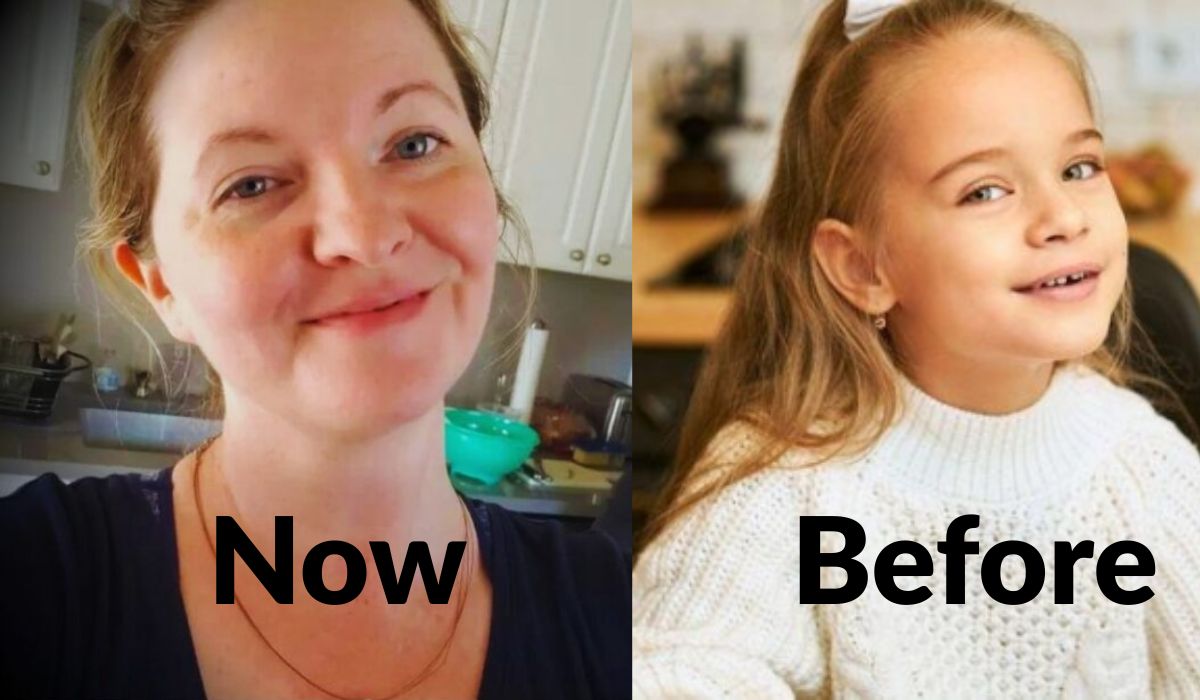
What remains is the enduring legacy of her bravery on that single night. Her voice, immortalized in recordings, serves as both a heartbreaking reminder of what she endured and a symbol of resilience. Today, when people search about “Tia Hernlen today,” the most accurate answer is that she deserves privacy, peace, and healing away from the spotlight.
Lessons Learned from the Case
The story of Tia Hernlen is more than a crime report — it is a lesson in multiple dimensions:
- The vulnerability of children: It highlights how children can be caught in the crossfire of adult conflicts.
- The unpredictability of violence: Even legal measures cannot always prevent determined offenders.
- The strength of human resilience: Tia’s actions remind us that courage can emerge even in the smallest voices.
- The role of emergency services: Dispatchers play a crucial role not only in sending help but also in emotionally guiding victims through traumatic events.
- The need for empathy in reporting: Media must balance public interest with respect for survivors’ dignity.
Read More: Exploring That-Bites.org: The Ultimate Hub for Foodies
Conclusion
The night of March 28, 2005, remains one of the most haunting tragedies in recent memory. But out of the devastation came a powerful story of courage. Five-year-old Tia Hernlen, through her calm and steady 911 call, showed the world that even in moments of unbearable loss, bravery can emerge in unexpected ways. Her words carried the weight of tragedy, but also the clarity of hope — a reminder that the human spirit can endure even the most unimaginable circumstances.
While the world grieved for her parents, it also admired the little girl whose voice became a symbol of resilience. Today, as people continue to wonder about her life, it is important to respect her privacy and remember her not just for the tragedy she endured, but for the strength she embodied. Tia Hernlen’s story is ultimately one of heartbreak, resilience, and lasting inspiration.
FAQs
1. Who is Tia Hernlen?
Tia Hernlen is a Florida girl who, at the age of five in 2005, made a calm and courageous 911 call after discovering her parents had been fatally shot in their home.
2. What happened the night of Tia Hernlen’s 911 call?
Tia awoke to gunshots, found her parents unresponsive, and phoned 911. The attacker, David Edward Johnson, shot her parents before taking his own life.
3. Why is Tia Hernlen’s 911 call significant?
Her composure, clarity, and bravery at such a young age stunned the public and became a symbol of resilience during extreme crisis.
4. What happened to Tia Hernlen after the tragedy?
Tia was placed in the care of relatives. Out of respect for her privacy, her adult life has remained out of the public eye.
5. What lessons were learned from Tia Hernlen’s case?
Her story emphasized the importance of protecting children, improving emergency response systems, and recognizing the resilience children can show under trauma.