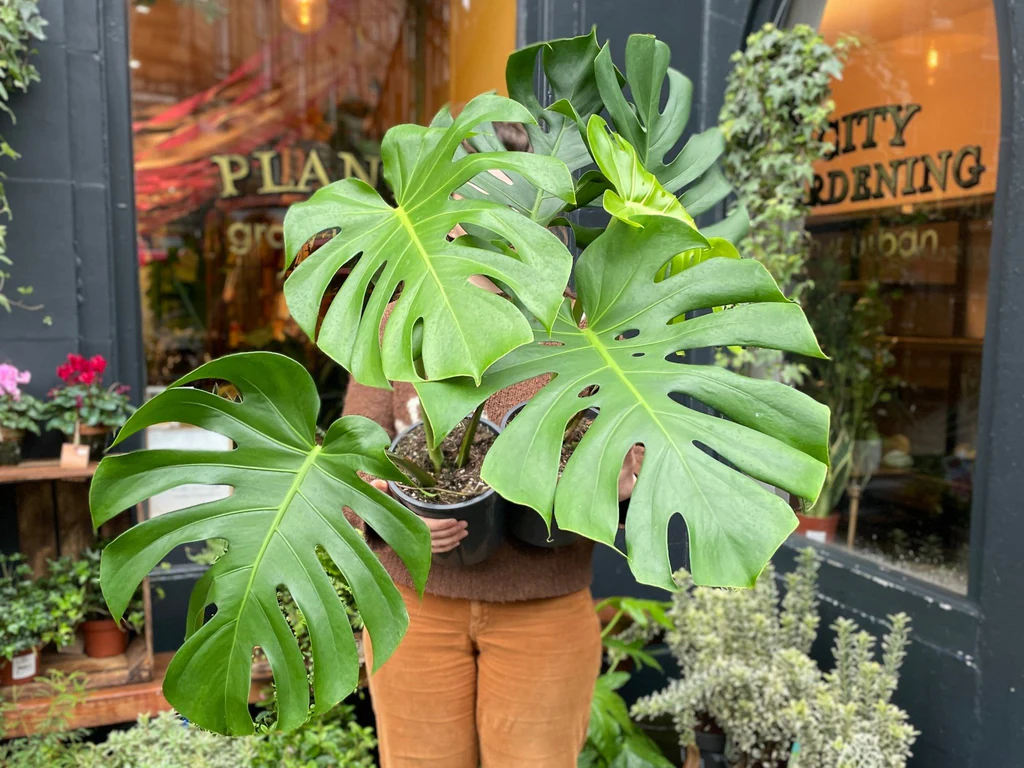
A healthy, vibrant Monstera doesn’t just depend on water and sunlight—it heavily relies on the container it grows in. The right monstera pot can completely change how your plant develops, how fast it grows, and even how long it lives. While it may seem like a simple decorative choice, the pot plays a much bigger role in plant health than most people realize.
If you’ve ever wondered why your Monstera looks a bit droopy or isn’t growing those iconic split leaves, the answer might not be your care routine—it might be the pot itself.
Why the Right Pot Matters More Than You Think
Monstera plants are tropical climbers with strong aerial roots and an aggressive growth habit. In their natural habitat, they spread freely through forest floors and climb trees. When we bring them indoors, we restrict that freedom to a container. That’s where the pot becomes critical.
A good monstera pot ensures:
- Proper drainage to prevent root rot
- Enough space for root expansion
- Stability for tall, leafy growth
- Balanced moisture retention
Without these, even the healthiest plant can struggle.
I once kept a young Monstera in a decorative pot with no drainage holes, thinking it would look more stylish. Within weeks, the soil stayed soggy, and the leaves started yellowing. Switching to a proper drainage pot completely revived it within a month.
Choosing the Right Size for Your Monstera Pot
Size is one of the most important decisions. A pot that is too small restricts growth, while an oversized one holds too much water, leading to root issues.
A general rule of thumb:
- Young plant: 6–8 inch pot
- Medium plant: 10–12 inch pot
- Mature Monstera: 14–18 inch pot
Always choose a pot only 1–2 inches larger than the root ball when repotting. This allows gradual growth without overwhelming the roots.
Drainage: The Non-Negotiable Feature
No matter how beautiful a pot looks, it is useless for a Monstera without drainage holes. These plants are extremely sensitive to waterlogged soil.
A proper monstera pot should:
- Have at least one large drainage hole
- Allow excess water to escape freely
- Be paired with a saucer or tray for indoor use
If you absolutely love a decorative pot without holes, use it as an outer cover and place a nursery pot inside.
Material Choices: What Works Best?
Different materials affect moisture, temperature, and even root behavior. Choosing the right one depends on your environment and watering habits.
Here’s a simple comparison:
| Material | Pros | Cons |
|---|---|---|
| Terracotta | Breathable, prevents overwatering | Dries out quickly |
| Ceramic | Stylish, retains moisture well | Heavy, can trap excess water |
| Plastic | Lightweight, affordable | Less breathable |
| Concrete | Extremely durable, modern look | Very heavy, retains heat |
Terracotta is often considered the best monstera pot material because it naturally regulates moisture. However, if you live in a hot climate where soil dries quickly, ceramic or plastic may be more practical.
Shape and Depth: Hidden but Important Factors
Monsteras develop strong aerial and underground roots, so depth matters just as much as width. A deeper pot allows better anchoring and supports vertical growth.
Wide pots are ideal for stability, especially for mature plants with large leaves. If your Monstera is climbing a moss pole, ensure the pot is heavy enough to prevent tipping.
Case Study: Monstera Growth Improvement After Repotting
A friend of mine kept struggling with a Monstera that refused to grow past a certain point. She had placed it in a shallow decorative planter that looked perfect in her living room but wasn’t functional. The roots had no room to expand, and the soil dried unevenly.
After repotting it into a deeper ceramic monstera pot with proper drainage, the plant not only recovered but also started producing larger, split leaves within a few months. It was a clear reminder that aesthetics should never outweigh plant health.
Repotting Signs You Shouldn’t Ignore
Your Monstera will eventually outgrow its container. Watch for these signs:
- Roots growing out of drainage holes
- Soil drying too quickly after watering
- Slowed or stunted growth
- Top-heavy plant leaning over
If you notice these, it’s time to upgrade your pot.
Soil and Pot Balance
Even the best monstera pot won’t work well without the right soil mix. These plants prefer:
- Well-draining potting mix
- A blend of peat, perlite, and bark
- Slight moisture retention without sogginess
The pot and soil must work together. A breathable pot with heavy soil or a sealed pot with light soil can both cause imbalance.
Decorative vs Functional Pots
It’s tempting to choose pots based purely on aesthetics, especially with Monstera being such an Instagram-famous plant. However, balance is key.
A functional pot ensures:
- Healthy roots
- Stable growth
- Long-term plant survival
A decorative pot adds visual appeal but should ideally support function, not replace it. Many plant owners now use a dual-pot system—functional inner pot with a decorative outer shell.
Common Mistakes to Avoid
Even experienced plant lovers make mistakes when choosing a monstera pot:
- Choosing style over drainage
- Upsizing too quickly
- Ignoring weight balance for tall plants
- Using compact soil in non-breathable containers
Avoiding these small errors can make a huge difference in plant health.
Seasonal Considerations
Your pot choice can also depend on the season:
- In summer, breathable pots like terracotta help prevent overheating
- In winter, ceramic or plastic pots retain moisture longer
- In humid climates, extra drainage becomes even more important
Adjusting your pot strategy seasonally can improve long-term growth.
Also Read: Lovelolablog Cod Guide: Features, Uses & Insights
Conclusion
A monstera pot is more than just a container—it’s the foundation of your plant’s health and growth. From size and material to drainage and shape, every detail plays a role in how your Monstera thrives. When chosen carefully, the right pot encourages strong roots, lush leaves, and stable development for years.
Instead of treating it as a decorative afterthought, think of the pot as part of your plant care system. A well-matched container can turn an average Monstera into a stunning indoor centerpiece.
FAQs
1. What size pot is best for Monstera?
A pot 1–2 inches larger than the root ball is ideal to prevent overwatering and support steady growth.
2. Do Monsteras need drainage holes?
Yes, drainage holes are essential to avoid root rot and maintain healthy soil conditions.
3. Can I use a decorative pot for Monstera?
Yes, but only if you place a nursery pot inside it to ensure proper drainage.
4. How often should I repot a Monstera?
Typically every 1–2 years, or when you notice root crowding or slowed growth.
5. What material is best for a Monstera pot?
Terracotta is often preferred due to its breathability, but ceramic and plastic also work depending on your environment.