Introduction
At‑home PCR testing has become a major breakthrough in modern healthcare, providing laboratory-level accuracy from the comfort of home. Once limited to clinics and hospitals, PCR tests—known as the gold standard for detecting viral infections—are now widely available as home collection kits. This shift began during the COVID‑19 pandemic and continues to gain momentum as people seek accurate, convenient, and timely diagnostics. Unlike rapid antigen tests, which provide results quickly but with lower sensitivity, PCR detects even small amounts of viral genetic material, reducing the chances of false negatives.
Today, at‑home PCR testing is used not only for COVID‑19 but also for influenza, RSV, and other respiratory illnesses. This article explores how these tests work, why they’re growing in popularity, their benefits and drawbacks, and what the future holds. By the end, you’ll understand why at‑home PCR testing is shaping the future of personal healthcare.
1. How At‑Home PCR Testing Works
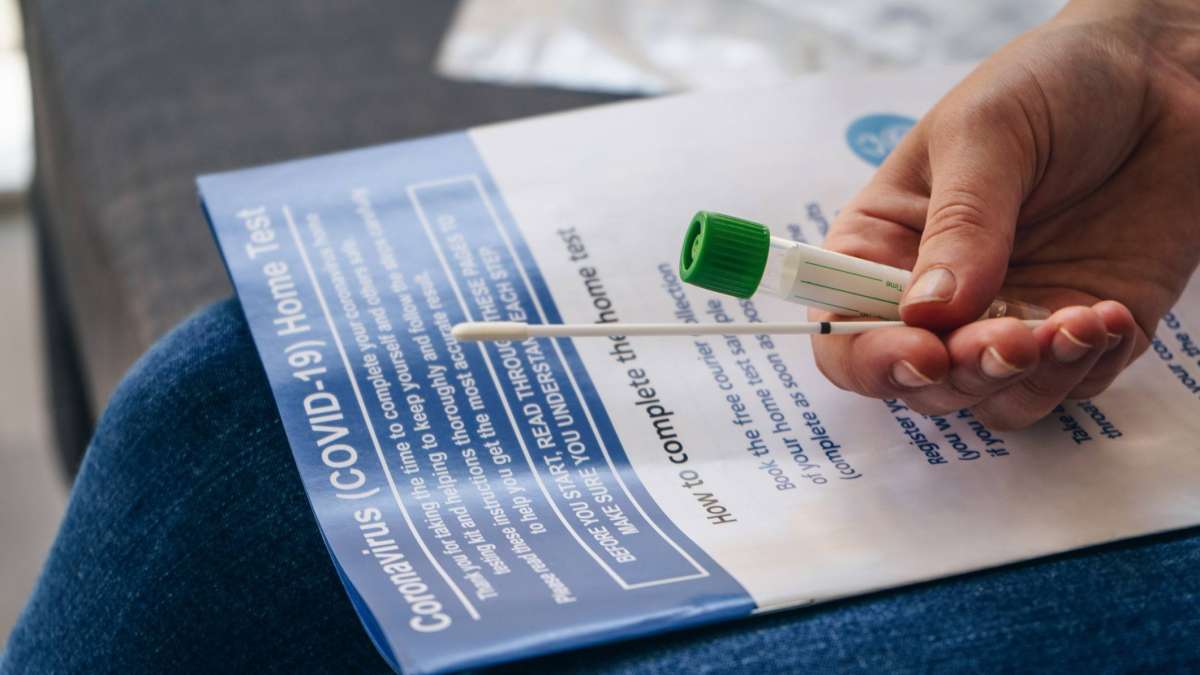
At‑home PCR tests use a simple yet highly reliable process. First, you collect your own sample—usually by nasal swab or saliva—using a kit provided by a certified provider. Next, you seal the sample and send it to an accredited laboratory using pre-paid shipping. Once the lab receives the sample, technicians perform a molecular test (RT‑PCR) to identify any viral genetic material. Results are usually available within 24 to 48 hours, delivered through a secure portal or email.
Unlike rapid antigen tests that detect proteins, PCR identifies the virus’s genetic code, making it far more sensitive and accurate, even when the viral load is very low.
2. Why At‑Home PCR Testing is Gaining Popularity
Accuracy and Reliability
PCR remains the gold standard for viral detection. Its sensitivity and specificity approach 99%, making it the most trusted method for diagnosing infections.
Convenience Without Compromise
Users can avoid visiting clinics, waiting in lines, or risking exposure to illness. Everything happens from home, from sample collection to result delivery.
Expanding Consumer Trust
Since the pandemic, millions have become comfortable with home-based health solutions, driving strong adoption of mail-in PCR kits.
Regulatory Approvals
Health authorities worldwide have authorized at-home PCR kits, boosting consumer confidence and ensuring safety and quality.
3. Key Benefits of At‑Home PCR Testing
- High Accuracy: Detects infections at early stages and in asymptomatic individuals.
- No Travel Required: Eliminates clinic visits and potential exposure to germs.
- Multiplex Testing: Some kits check for multiple viruses—such as COVID‑19, influenza, and RSV—with one sample.
- Discreet and Private: Results are shared securely, protecting user privacy.
- Ideal for Vulnerable Individuals: Reduces risks for those who are immunocompromised or unable to travel easily.
4. Limitations and Considerations
Turnaround Time
Unlike rapid tests, at-home PCR results are not instant. It typically takes one to two days after the lab receives your sample.
Cost Factor
PCR tests can be more expensive than antigen tests. While some insurance plans cover them, others may not.
Proper Sample Handling is Critical
Failure to follow instructions, incorrect sample collection, or delayed shipping can affect results.
Reporting Gaps
At-home tests may not always be automatically reported to public health authorities, which could impact community tracking.
5. At‑Home PCR vs. Rapid Antigen: A Quick Comparison
| Feature | At‑Home PCR Test | Rapid Antigen Test |
|---|---|---|
| Accuracy | Very high (~99%) | Moderate (70–90%) |
| Result Time | 24–48 hours | 10–15 minutes |
| Sample Type | Swab or saliva | Swab only |
| Multiplex Testing | Available (COVID, flu, RSV) | Rare |
| Cost | Higher | Lower |
6. Popular Use Cases for At‑Home PCR Testing
- Pre‑travel testing: Many destinations require PCR proof.
- Before visiting high-risk individuals: Ensures safety for elderly or immunocompromised family members.
- Symptomatic individuals who want certainty: Especially if initial rapid test is negative but symptoms persist.
- Routine screening in workplaces or events: Provides reliable confirmation when accuracy matters most.
7. Best Practices for Reliable Results
- Follow Instructions Carefully: Every detail matters, from swab depth to sealing the sample.
- Ship the Sample Immediately: Delays can affect accuracy.
- Check Processing Times: Some labs don’t work weekends or holidays.
- Use Clean Hands and Surfaces: Prevent contamination during collection.
- Confirm Results with a Professional if Needed: Especially if symptoms don’t match the outcome.
8. E‑E‑A‑T Perspective: Why Trust At‑Home PCR Kits?
- Experience: These tests have been widely used since 2020 with proven reliability.
- Expertise: They are based on RT‑PCR technology, the same method trusted by hospitals and health systems.
- Authoritativeness: Approved by recognized health authorities and processed in certified labs.
- Trustworthiness: Results are handled through secure systems, and most providers offer clear, transparent instructions.
9. The Future of At‑Home PCR Testing
- Faster Turnaround: Emerging technologies aim to deliver lab-level accuracy in under an hour, right at home.
- Expanded Panels: Expect broader testing for multiple respiratory illnesses and other pathogens in a single kit.
- Integration with Telehealth: Users may soon receive instant consultations after test results for prescriptions or further care.
- Global Accessibility: Increased distribution in underserved regions will make accurate diagnostics more widely available.
Comfort Transfers: Stress-Free Airport Pickup During Delays
Conclusion
At-home PCR testing is redefining personal healthcare by combining lab-level precision with convenience. Its ability to detect infections accurately—even in early or asymptomatic stages—makes it a vital tool in modern health management. While it takes longer than rapid antigen tests, its reliability is unmatched, especially for critical situations like pre-travel screening or confirming symptoms. By following instructions carefully and understanding turnaround times, users can maximize accuracy and peace of mind.
As technology advances, we can expect faster molecular testing, broader multiplex options, and seamless integration with telehealth services. At-home PCR testing is more than a pandemic solution—it’s the future of accessible, trustworthy diagnostics, empowering individuals to make informed health decisions without leaving their homes.
FAQs
1. How accurate are at-home PCR tests compared to rapid tests?
At-home PCR tests are extremely accurate, detecting even low viral loads. They outperform rapid antigen tests, which can miss early infections.
2. How long do at-home PCR test results take?
Most kits deliver results within 24 to 48 hours after the lab receives your sample.
3. Can I test for multiple viruses with one PCR kit?
Yes. Many kits now include multiplex testing for COVID-19, influenza, and RSV using a single sample.
4. Are at-home PCR tests covered by insurance?
Coverage varies by plan and region. Some insurers reimburse costs, while others require out-of-pocket payment.
5. What should I do if my PCR test is negative but symptoms continue?
Consider retesting after a few days or consult a healthcare provider. Persistent symptoms may need further evaluation.