Introduction
Self-ordering systems are transforming how businesses in Thailand serve their customers. From touchscreen kiosks in malls to QR code menus at restaurants, these digital solutions are replacing traditional human-based ordering methods. The rise of contactless dining and digital-first experiences—accelerated by the pandemic—has pushed many Thai businesses to adopt smart ordering tools that improve customer convenience, reduce errors, and boost operational efficiency.
In this article, we’ll explore the growing self-ordering trend in Thailand: what it is, how it works, the top providers in the market, and why businesses of all sizes are adopting it. Whether you’re a restaurant owner, a retail manager, or a tech-savvy consumer, you’ll find insight into how this technology is shaping the future of customer service in Thailand.
1. What Is a Self-Ordering System?
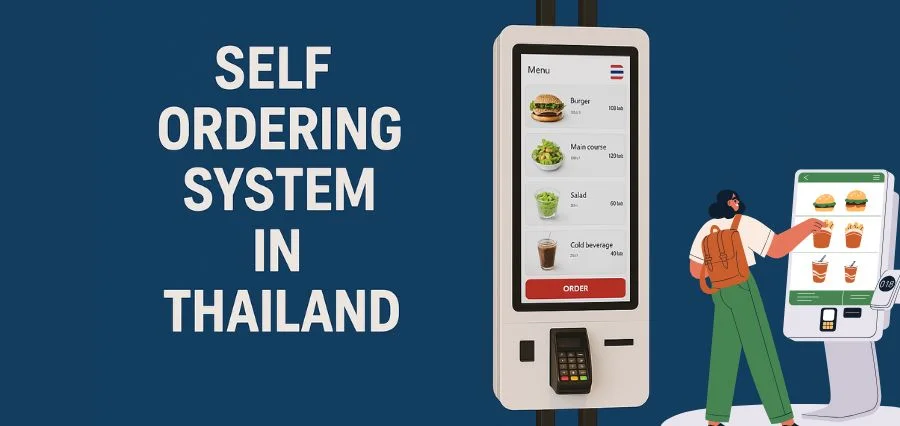
A self-ordering system allows customers to place their own orders without needing staff assistance. Common examples include:
- Touchscreen Kiosks: Often placed at the entrance or inside restaurants, cafes, or food courts. Customers tap through the menu and confirm their order.
- QR Code Ordering: Customers scan a QR code at their table or counter to access the menu and order via their phone.
- Mobile/Web Apps: Customers place orders before arriving or while on-site using a dedicated app or website.
Once an order is placed, it is instantly sent to the kitchen or POS system for processing. Payments are usually integrated—whether it’s e-wallets, PromptPay, credit cards, or even cash. This system not only improves speed but also reduces miscommunication between customers and staff.
2. Why Self-Ordering Is Gaining Popularity in Thailand
Customer Experience Benefits
- Faster Service: No need to wait for a staff member to take orders.
- Accurate Orders: Customers input details themselves, reducing miscommunication.
- User-Friendly Design: Systems include images, language support (Thai/English), and intuitive interfaces—ideal for all ages and tourists.
Business Advantages
- Labor Cost Reduction: Fewer staff are needed to manage orders.
- Increased Order Value: Systems can upsell or suggest promotions automatically.
- Data Insights: Business owners can analyze order trends and customer behavior.
- Pandemic-Era Compliance: Contactless interaction meets public health expectations.
- Multilingual Support: Many systems support English and other languages, crucial for tourist-heavy areas.
3. Leading Self-Ordering System Providers in Thailand
3.1 Touchscreen Kiosk Providers
- Eats365 Kiosk: Compatible with Android/iPad, ideal for small and medium restaurants.
- Easy KIOSK: Large-format kiosks (21.5”–32”), robust hardware with built-in printers.
- MYPOS: Offers POS-integrated kiosks with local support and Android compatibility.
3.2 QR Code Ordering Systems
- Wongnai POS and FoodStory: Well-known Thai providers with QR scan-and-order solutions.
- QashierEats: Combines POS, loyalty, QR ordering, and payments in one platform.
- SilomPOS: Budget-friendly system for cafes and small restaurants using QR code menus.
3.3 Mobile & Web Ordering
- OrderC: Customers can order from their smartphones before or during visits—suitable for takeaway, dine-in, or preorders.
3.4 All-in-One POS with Self-Ordering
- Aldelo Thailand: Offers a complete ecosystem including self-service, online ordering, and traditional POS integration.
4. How the Technology Works
Here’s a typical self-ordering journey:
- Customer scans QR code or approaches kiosk.
- They browse the digital menu and customize their order.
- They choose a payment method (cash, QR code, card, e-wallet).
- Once confirmed, the system sends the order to the kitchen or service counter.
- The customer receives a receipt or pickup notification.
Advanced systems may also offer:
- Loyalty point integration
- Real-time order tracking
- Automatic cross-selling of add-ons or combo deals
- Integration with delivery or takeaway platforms
5. Future Trends of Self-Ordering in Thailand
Growing Use Cases
- Food courts, cafes, retail, street food markets, and even self-service unmanned stores are integrating these systems.
Key Trends to Watch:
- Static QR Codes: Low-cost, reusable codes that don’t require internet to generate.
- Full Contactless Suites: From menu browsing to payment to feedback collection.
- AI-Powered Menus: Recommending dishes based on customer history and preferences.
- Multichannel Integration: Connecting online orders, POS, and delivery apps for seamless operations.
- Tourist Adaptability: Systems increasingly support multiple currencies, languages, and tax receipts.
6. Things to Consider Before Adopting
| Factor | Consideration |
|---|---|
| Budget | Kiosk hardware costs range from ฿20,000–฿50,000. QR-based systems start as low as ฿199/month. |
| System Integration | Ensure compatibility with your POS, inventory, and customer databases. |
| Technical Support | Choose providers with 24/7 support and local service teams. |
| Customer Demographics | Older customers may prefer kiosks with bigger screens over mobile menus. |
| Security & Compliance | Use certified payment gateways and encrypted systems (e.g., PromptPay certified). |
Conclusion
Thailand’s self-ordering systems are no longer a novelty—they are rapidly becoming a new standard. From high-traffic malls in Bangkok to cozy cafes in Chiang Mai, this technology is changing how businesses interact with customers. With faster service, accurate order processing, and rich data insights, self-ordering tech enhances both the customer experience and operational efficiency.
Looking ahead, the integration of AI, multi-channel platforms, and touchless payments will continue to evolve. Businesses that invest now not only future-proof their operations but also create more delightful, modern, and accessible experiences for their patrons. Whether you run a small food stall or a nationwide franchise, now is the time to consider adopting self-ordering systems.
Photeeq Lens Flare: A Complete Guide
FAQs
- Are self-ordering systems hard for older people to use?
No. Most systems are designed with clear visuals, multiple language options, and intuitive interfaces. Staff assistance is still available if needed. - Can customers still pay with cash?
Yes. Many systems offer multiple payment options including cash, PromptPay, e-wallets, and cards. - What if a customer makes a mistake on their order?
Customers can usually review and edit their orders before submitting. Staff can also assist in correcting mistakes afterward. - Do self-ordering systems work without internet?
Some systems offer offline modes to store orders locally and sync later, but stable internet is highly recommended. - Is it difficult for small businesses to set up a self-ordering system?
Not at all. Providers offer ready-made packages, with pricing suitable for small shops. Many systems work with existing phones or tablets and need minimal setup.